
Loading...

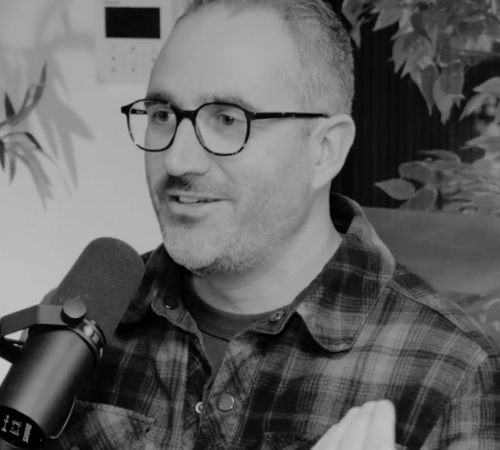
E16: Angelo Zanetti

Building Software That Actually Works

Listen on Spotify

Podcast Overview

From necessity to 20 years of building software that adapts to businesses, not the other way around. Angelo Zanetti co-founded Elemental during the dot-com crash and turned it into a Cape Town powerhouse that refuses to compromise on quality, security, or in-office culture.

Angelo Zanetti

Angelo Zanetti is the co-founder and co-CEO of Elemental, a web and software development agency based in Cape Town, South Africa. With over 20 years of hands-on experience, Angelo has built a lean team of 25 specialists who focus on creating bespoke software solutions that truly fit how businesses operate, rather than forcing businesses to adapt to off-the-shelf tools.

This podcast episode is relevant to you if you’re building software products, running a development agency, scoping MVPs, or trying to understand why that vibe-coded prototype isn’t production-ready. Find out why founders bloat their MVPs with non-core features, what happens when someone hands Angelo a Replit prototype with no brakes, and why Elemental’s entire team works in-office five days a week in an increasingly remote world.

Angelo shares the realities of digital transformation, the security nightmares hiding in AI-generated code, and why great SEO has driven their lead generation for two decades. If you’re serious about building software that scales or positioning your agency to stand out, this episode delivers practical, battle-tested advice.

Topics Covered:

1:07 – How Angelo got into the agency world out of necessity during the dot-com crash

2:25 – Meeting Richard in a Harry Potter-esque location overlooking King’s Cross

4:18 – The current setup: 25 people, lean and mean in Cape Town

5:26 – Why COVID was actually good for Elemental’s business

6:59 – The advantage of having strong technical backgrounds as co-founders

8:05 – How SEO has been their secret weapon for lead generation

9:51 – Doing exceptional work leads to referrals and repeat business

10:38 – The mistake of trying to be everything to everyone

11:16 – MVPs and the patterns Angelo sees when founders first approach them

12:33 – Why founders jam-pack MVPs with nice-to-have features

14:04 – The “build it and they will come” fallacy

15:55 – Walking through the Change Cars project: competing with Autotrader

18:55 – How the market tells you what features to build next

21:22 – Philosophy: software should adapt to the business, not the other way around

25:18 – Why off-the-shelf tools force businesses into broken workflows

28:21 – The commercial model: discovery, build, then ongoing support and maintenance

32:01 – Why Elemental keeps everyone in-office five days a week

36:06 – The advantages: culture, collaboration, mentoring, and quality control

38:53 – The major challenge: hiring in a world that wants remote work

42:18 – How Angelo stays connected to the technical side without writing code anymore

43:18 – The reality of vibe coding: it looks good but has no brakes

46:32 – Security nightmares in AI-generated prototypes

48:07 – Using AI tools like Copilot and Cursor responsibly

50:58 – Building SEO calculators with vibe coding versus proper development

52:18 – Advice for agencies looking to scale: stop being too generalist

55:23 – Positioning yourself as a specialist and marketing to that niche

57:24 – Book recommendation: $100,000,000 Offers by Alex Hormozi

Learn more about scaling your agency at eComOne.com
Richard Hill [00:00:08]:
Welcome to the Agency Intensive Podcast. Today I'm joined by Angelo Zanetti, co founder and co CEO of Elemental, a Cape Town based web and software agency that's been shipping product and building platforms for more than 20 years now. Myself and Angelo met in King's Cross in a very Harry Potter esque way at an event several months ago and I just had to get him on the show. We talk how to scope an MVP without bloating it. What happens when founders of Vibe code? I think we've maybe all been doing a bit of that and prototype and hand it to an agency. Why? Off the shelf tools often break workflows, the hiring and culture choices that actually scale dev teams and the security pitfalls everyone is ignoring with quick AI builds. Expect practical war stories, repeatable playbooks and blunt advice you you can use. Right now. If you build software, run a dev agency or attempted to launch a product, this one is for you.

Richard Hill [00:01:02]:
Right, let's get into it.

Richard Hill [00:01:07]:
Hey Angelo, how we doing?

Richard H1 [00:01:09]:
I'm good, thanks. And yourself? Thanks Richard for having me on the podcast.

Richard Hill [00:01:14]:
No problem at all. Looking forward to this, looking forward to this. Well, me and angelo met about 15 months ago in an amazing location in the center of London in. So I guess quite a private dining room area that overlooked the Overlooks King's Cross station. It was very Harry Pottery, wasn't it? I think.

Richard Hill [00:01:35]:
But a beautiful day we had talking about all things agency. So I thought, ah, we've got to get Angelo on the podcast. So welcome to the Agency Intensive podcast.

Richard H1 [00:01:44]:
Thanks. Thanks so much. Really excited to be here and yeah, it was a really interesting venue and yeah, a good day and yeah, good to meet you and keen to get into this.

Richard Hill [00:01:55]:
Yeah. So I think that's probably partly where this project came from. Obviously we, we like to go to quite a lot of events here at the agency and agency intensive and obviously mixing it with different agency owners and Angelo runs a very specific and quite unique agency. So I was very keen to get you on. So I think before we get into the nitty gritty and the ups and downs of agency world, sort of introduce yourself how you got into the world of agency, the agency world and development.

Richard H1 [00:02:25]:
Yeah, sure, thanks. Yeah, so Angela Zanetti, I'm the co founder and co CEO of a company called Elemental. We're a web and software development company based out in Cape Town, South Africa.

Richard H1 [00:02:40]:
We've been doing this for about, yeah, 20 years now. So running the agency and how we started was actually, excuse me, was actually more out of necessity than sort of something that we planned. So when we started, our agency was sort of the height of the dot com bubble that exploded. So for the older viewers and listeners, you would relate to that. But basically for those who don't know, early 2000s there was a big dot com boom that happened and all sort of tech companies and tech jobs, you know, took a real hammering. The stock market got hammered and jobs were shed left, right and center. And my business partner Jerry, who came over from Holland and I, we were kind of really looking to start something because we couldn't get jobs. So we thought, okay, well let's just start a development company.

Richard H1 [00:03:33]:
We had some skills and yeah, that's sort of how it started organically, you know.

Richard Hill [00:03:40]:
Yeah, yeah. So it's more through necessity at the time because you were like, right, what we gonna do?

Richard H1 [00:03:45]:
Yeah, yeah, yeah, yeah, exactly, you know, exactly. Necessity is exactly the right way for, for what we had to do.

Richard Hill [00:03:52]:
Yeah. So fast forward pretty much 20 years, isn't it? I think would I be right? And it's pretty much to the, to the day, almost 20 plus years. Obviously set up you and you had a mate I guess, back in the day and figuring stuff out. And here we are now, you know, 20 years later. So give the sort of listeners a feel for the agency size now and the sort of setup you've got.

Richard H1 [00:04:18]:
Sure. So yeah, we're about 25 people now. We predominantly a team of developers. We've got some project managers, some QA testers, a designer, and then some sort of HR admin, you know, finance staff. So not, not a big agency, but a sort of a very lean and mean agency with a lot of experience.

Richard H1 [00:04:43]:
As I mentioned, based in, in Cape Town.

Richard Hill [00:04:45]:
Yeah, yeah, yeah. So yeah, lean and mean. I like that.

Richard Hill [00:04:51]:
A lean and mean. That's. Yeah, I might steal that.

Richard H1 [00:04:56]:
Yeah, go for it, go for it.

Richard Hill [00:04:58]:
So 20 years, obviously seen a lot. You mentioned there, you know, 2005, 6, 7, 8. You know, that was a very tough time. I was in business then, you know, maybe a similar age, but yeah, I ran a business back then. Some very difficult times as you know, across, across the planet really. So obviously you've, you've seen a lot in terms of sort of different economic situations. You know, 2008 was particularly a bad year for, for the economy more recently Covid and so forth. You know.

Richard Hill [00:05:26]:
Why do you think you guys are doing so well? Because I think, you know, development agencies, you know, we, we work with a lot of, a lot of ups and downs, a lot of challenges, I think with different as obviously there's a, there's a whole host of different development style agencies and where they focus. Exactly. And platforms or, you know, why do you think Elemental's done so well?

Richard H1 [00:05:47]:
I think that the 2008 financial crisis didn't hit South Africa as hard as it hit, you know, us, uk, Europe. So I think we're a little bit lucky like that.

Richard H1 [00:05:59]:
Covid was actually good for us. So we were quite lucky in a sense that we were one of the industries that wasn't affected by Covid and if anything it was one of the industries that benefited from lockdown and forcing companies to go online and they needed to build better online presences and tech solutions and things like that. So you know, I even remember the one Easter weekend during COVID We were all at home working and we pretty much worked that whole weekend through like early to late night and.

Richard Hill [00:06:29]:
Yeah.

Richard H1 [00:06:30]:
You know, which was kind of really blessed to be in that situation rather than have our company shut down and have no income. But I think that quite a few reasons why we've done pretty well is.

Richard H1 [00:06:46]:
I think the first thing is that Jerry and I, we've got very strong technical backgrounds. So you know, we were not really business people. We didn't study business, we studied development. So that means we had to learn business, you know, the long way and the hard way.

Richard Hill [00:06:58]:
Yeah.

Richard H1 [00:06:59]:
But when we're dealing with prospective clients and you know, potential projects, we're always able to sort of have that business hat on as well as a sort of technical hat and really be able to kind of understand what the clients wants and solutions, solve from the get go and guide the user and sort of really have their best interest at heart and act as a, as a tech partner, which I think a lot of people appreciate and a lot of people that are trying to build tech products.

Richard Hill [00:07:28]:
Yeah.

Richard H1 [00:07:28]:
Are not technical. So yeah, you know, they, people do get taken advantage of and there's a lot of jargon that gets thrown around and you know, people can sort of really just trust what, what you know, a provider is saying to them. So I think being really impartial and just holding their hand through the journey has worked really well. I think SEO is also quite an important factor that's always been really good to us. We've had a lot of focus on SEO and it's always been really great from a lead generation point of view.

Richard Hill [00:07:59]:
So generating leads from your own SEO, not so much for clients or both.

Richard H1 [00:08:04]:
No, no, no.

Richard Hill [00:08:05]:
Yeah.

Richard H1 [00:08:05]:
We don't do any marketing services. We, it's pretty for our own lead generation and Positioning and I think doing good work, you know, that that's always, yeah, you know, something that we, we push hard on. You know, be really passionate about the work, be proud of your work. And often really good work leads to more work. Right. You know, if our clients are building their businesses and the tech we're building for them is integral to their growth, more work and they will also refer other people to us. And I think finally, you know, towards the last few years, really sort of positioning ourselves more as specialists at what we're really good at and then not doing things that we weren't, aren't very good at. You know, at some stage we even had a marketing division within our business.

Richard Hill [00:08:51]:
Majority of agencies maybe try to do everything over the years. You know, opportunities come along, don't. Can you do this? You think, well we maybe could and it's, you know, X amount of thousand dollars or, or rant or you know, pounds or whatever. And then you soon regret it, I think over time, don't you? You, you, you look back but now you. So now you're very much in, stay in your lane. If something comes along that is maybe an opportunity, but it's not your wheelhouse, not your flow, your, not your team's flow. Because I think that's the thing, you take it, but the reality, you might take it, but the reality is it's a short term, you know, and sometimes you have to take stuff, you know, when there's a real, real challenge commercially within a business. But I think you can do more harm than good mid to late, long term because you know, that team are now doing something that, that you know, is not their flow, that you know, is disruptive.

Richard Hill [00:09:44]:
Maybe there's, there's definitely caveats to that. You know, you have to do what you have to do to survive at certain times, don't you? But really staying in, in your lane. And then I think, you know, you really simplified it there with, you know, just doing a bloody good job, you know, is the, is, you know, it's sort of a fundamental thing that I think does get missed, isn't it? Chasing a lot of new business potentially. But hang on a minute. We've got these clients that actually if we do a good job, we must do a good job, they're going to stick, they're going to stay, they're going to recommend as opposed to, right, just chasing and not focusing on, hang on, just doing a flipping good, good, good, exceptional job. They will not leave, they cannot leave, you know, unless again, some, some sort of some disaster Happens commercially at their end. They're with you for the long term and you're building that, you know that, you know, that real sort of strength within the business. Yeah, no, it's really, really good.

Richard Hill [00:10:38]:
Well, thank you for that. So I know you talk a lot, you know, a lot. A lot of what you do is around MVPs and building out, you know, and helping. I believe we'll get, we'll get into it. Companies that want to build something, you know, and you've got to prove that process potentially as a starting point and then, you know, they potentially, you know, invest more in that. So I know you, you know, you've done a few podcasts on this. I'm not the expert on this, although I, I did mention MVPs a few times in a recent talk. I did, you know, because, you know, with, with the different vibe coding tools, Dirty Word on this podcast, I'm sure.

Richard Hill [00:11:16]:
So, apologies. You know, we've been able to do a few more things on the SEO side. So, you know, what, what patterns are you seeing in a moment when, when founders first approach you about their MVPs and where do you think they. Because I think, you know, there's quite a few sort of challenges out there, isn't there?

Richard H1 [00:11:34]:
Yeah, yeah, no, there's, there's a whole, you know, MVPs are a whole sort of topic by themselves. But yeah, I think the, some of the things that founders get wrong is, you know, just to come back to what an MVP is. They've, they're probably working in a certain industry for many years. They've seen the ins and outs of it and they've seen a problem and they've kind of, of thought about a solution and now they want to build a solution. And it's hopefully very niched, which is great, and it's solving a specific problem. But one of the things is that founders are really passionate about this new product that they want to launch or it could be, you know, a company wanted launching a side venture as well, like a tech venture. And what we often see is that they want to sort of jam pack the MVP with a lot of, you know, nice to have features. And.

Richard H1 [00:12:33]:
This kind of contradicts what an MVP is because it's meant to be a minimum viable product. It's meant to be very lean, you know, solving a specific problem, get it out to market, get some traction. And so by, by packing in sort of nice to have features or non core features that we like, as we like to call them, you know, you're, you're delaying your go to market, you're adding to your development costs, which is actually good for us, you know, because we're doing more development work, but you know, potentially also building features that are not going to be used or of much value and may need to be discarded, which is kind of a waste of money. So rather bold things that are really going to address your users problems.

Richard H1 [00:13:17]:
Yeah, so I think that's probably the biggest, the biggest issue and I think, you know.

Richard H1 [00:13:24]:
Another issue is that.

Richard H1 [00:13:28]:
Founders think that, you know, hey, I'm gonna build, I'll build it and they will come kind of philosophy. Yeah. And you know, they think great, I've built this whatever web app, mobile app, I've launched it and now the floodgates are gonna open. And Richard, you'd probably know even better than me from a marketing standpoint that it doesn't work like that. You know, you need to really think about marketing. You need to think about, you know, getting users on board, getting traction. It's a new brand and I think a lot of founders don't think about the marketing aspect or they, ye, yeah, don't allocate a big budget to it. Which you know, I'd be keen to hear your thoughts on that side from.

Richard Hill [00:14:04]:
Yeah, I, I see it a lot. I mean, you know, thinking about just going to like, obviously there's different types of things you can build and set up but you know, go right, we're going to build this website that sells XYZ, you know, and they maybe spend whatever 50k on building the website. But then, you know, there's not a lot of thought to them, to the marketing until the website's finished or nearly finished. It's like, whoa, whoa, whoa. We need to. The marketing needs to be part or the research piece for sure needs to be done way in advance. So one, the products built in a way that's got that customer more. You know, I think a lot of founders are very blinking to their understanding of a market as opposed to what the actual market is thinking buying.

Richard Hill [00:14:46]:
They make a lot of wrong assumptions and then they do the market research more actually with maybe spending test budgets or building waiting lists and things like that is something that we do a lot more of. You know, if you're interested in xyz, we're launching this and obviously if you get nobody on the waiting list, it's like, okay, maybe this is not the best idea if we've got nobody on the way. But yeah, they need to be hand in hand. So yeah, I think, you know, you've got a. A lot of money gets wasted, doesn't it? I think in a lot of time because they just all in build this massive thing. I think we've been guilty over the years, you know, maybe even recently, of course built. Trying to build certain things, but trying to build this as opposed to. Hang on, let's go here, build this, let's prove, let's prove it and then we can add to this further down the line.

Richard Hill [00:15:34]:
So maybe walk me through an actual proper project if that's possible. You know, where, you know, where it sort of work. Work us through an actual proper mvp. I think you obviously worked on a lot of different builds and projects. You know, it'd be good to sort of put some reality into the, into the process.

Richard H1 [00:15:55]:
Okay.

Richard H1 [00:15:58]:
Yeah. One of our clients are called Change Cars. They approached us in 2021. They were very strong in the automotive business but had no tech, no idea buying tech at all. Right. And they said that they wanted to build a website where it could compete as autotrader. You've got Autotrader in the uk. It's also really, it's the biggest car platform in South Africa and one or two of the other platforms.

Richard H1 [00:16:25]:
And the idea or the angle was that a lot of the dealers were kind of, you know, they had no choice but to use Auto Auto Trader because it's such a big platform and there was a lot of sort of dodgy or, you know, unscrupulous dealers on those platforms selling cars that were not sort of really great. So our client wanted to come with an angle that only sort of verified and vetted dealers could be on his platform. And there's a lot of trust, you know, because we've all heard the stories of people getting, you know, sold a dodgy car or sold an accident, a car that's involved in an accident that's been sort of repurposed.

Richard Hill [00:17:05]:
Yeah.

Richard H1 [00:17:05]:
And so that whole process he wanted to fix. But the thing is we couldn't just build this massive platform. So we had to start quite simple.

Richard H1 [00:17:14]:
And we, we focused very much on the, the search and the usability, you know, because that's kind of key when you're looking for something. You want to be able to search by different criter, just find what you're really looking for. So it was quite tricky because we, you know, we did that, but we also had to onboard the dealers. We needed the stock, the vehicles because without the stock you're not going to get people using the site, but people, you know, who you want to use the site Also need the dealers on board. So it was kind of a balancing act of getting dealers on board, getting users on board, building something sort of simple and functional, which we did. And then over time after the MVP sort of got traction and you know, people started to use it, then we started to add more and more features and now it's sort of a fully blown, fully fledged product with loads of features that we're kind of rolling out all the time. But I think that minimum viable approach worked really well as sort of being very key about the core features and not adding these nice tab features. And then once you get traction, add those in and then.

Richard H1 [00:18:20]:
Yeah, the market also tells you, you know, your users tell you what you want and we call it that they build your product for you. You know, if they're demanding certain features or whatever it is, you know, then, you know, great. They want it, they need it, and you know, you build it and they're. You're kind of really addressing your, your, your user base.

Richard Hill [00:18:38]:
Yeah, you say it so eloquently. It's pretty. You know, you can just build this massive thing, spend two, three times what you need to spend, and in reality build it wrong because you're not listening to the users. You're building features that maybe the 1% of the users are going to use and that's cost you 10 of the budget. You know, I think probably a lot of the listeners will have used, you know, Autotrader, you know, literally probably in the most days I look at cars, it's like one of my things. So I'm on, I'm on ebay, I'm on autotrader, I'm on piston heads. You know, as soon as you started talking, stepping us through that, that sort of. All those filters, you know, is the base filters that you really, really need.

Richard Hill [00:19:16]:
You know, they're sort of maybe make, you know, location, make, budget, you know, color, you know, but then there's probably another 50 variables that you can have and you want, you want a few more for sure. But there's probably 20 of them you don't really need, and that's maybe 20 of the budget to build that in.

Richard Hill [00:19:36]:
Sounds like a really good idea. Actually, I was getting quite into it when you were saying with the. Because, yeah, the car, the car market's an interesting one. Should we say we do a. In car parts? Like it's a big part of our agency. Car parts and classic cars. Yeah, very big part. Actually.

Richard Hill [00:19:50]:
We've got quite a lot of clients in car parts and it's very you know, there's a lot of variables like there is in buying a car. You know, when you're buying a part for an engine. There's a lot of, you know, the, the product pages have to do a really strong job of explaining the difference between things or the, you know, the categorization and the products, categories, subcategories, the associated products. If they're the wrong associated products and it's for a different model, you've got a big sort of thing.

Richard H1 [00:20:17]:
Yeah, yeah, yeah, yeah.

Richard Hill [00:20:19]:
So you do quite a lot in the car market then quite a bit.

Richard H1 [00:20:22]:
In the automotive industry. Yeah, yeah. And it's, it's quite a complex market. You know there's, it's, it's quite a traditional market that's obviously come online and you know it's, it's, it's great to see how tech is sort of helping people through different things. You know, buying, selling, getting better quotes, you know, whatever it is. So. Yeah, yeah but there's a lot of data behind it as well. You know, a lot of intricate data like you said, you know, part numbers, model numbers make numbers, variants, things like that.

Richard H1 [00:20:55]:
So yeah, there's a lot behind the scenes.

Richard Hill [00:20:58]:
Yeah, yeah. I think we've got one client with 180000 SKUs on the store.

Richard Hill [00:21:04]:
Yeah, obviously probably it's these classic cars but it's. Yeah, a lot of, a lot of SKUs and then they're in 30 countries or there's 34, five feeds for that company. So it's millions of products in feeds. So very complicated. Have you, have you ever bought a car online without seeing it? Curious.

Richard H1 [00:21:25]:
I actually did. I actually used that client for that. And they own another business which it's actually called Screen and they, you can send someone to look at a vehicle, they'll do a full screening of the vehicle, they give you a full report and it's like the best service ever. It's not even probably in the UK pounds, it's probably 50 pounds. So it's a, it's a real no brainer and they check everything and give you a full report and yeah, so that, that's worked really well.

Richard Hill [00:21:56]:
And then you bought the car and the car was, was okay.

Richard H1 [00:21:59]:
Yeah, yeah, yeah. As, as per the report. So you know, I'm not a car, I'm not a mechanic so I don't even know to check, you know, different things in the car. Dipsticks and.

Richard Hill [00:22:11]:
Yeah, yeah, you know, you can tell.

Richard H1 [00:22:14]:
It looking nice but what's under the hood? No idea. Yeah, exactly. And they they sort of picked up things that I didn't even see from the pictures. So. Minimal.

Richard Hill [00:22:24]:
Yeah.

Richard H1 [00:22:24]:
But yeah, it's, it's.

Richard Hill [00:22:25]:
It's been, it's funny when I've had company cars and they, and they go back, you know, you know, I've got a few different cars, but when I have a company car and they come. The lease company come to take the car back, you know, after the three, four year lease process and the. They send an inspector and it's almost like it' got, he's got a, you know, he's literally like looking at every square inch of the car sort and the detail that they go into to inspect when you're, you know, because then they're going to charge you for any marks on the vehicle. So I've had some interesting conversations with those guys over the years. But yeah, surprising the little things that you just don't spot that if you send. That's. That's really good value then, isn't it? £50 is, you know, the equivalent of £50. Yeah.

Richard Hill [00:23:06]:
I bought a car in Covid and I didn't go and see it and it was, I think I got lucky, but it was a fairly new car, so I only had like 800 miles on the clock. But I did buy a car. Okay. Just by. I did speak to them on the phone, but I didn't go and see it because you couldn't because we were in lockdown. But they could deliver it.

Richard H1 [00:23:24]:
Yeah.

Richard Hill [00:23:25]:
So they delivered a car to me in, in lockdown sort of thing. And then I still couldn't really drive it very far because there was limits on what you could do. Yeah, it was sat there, you know, better. When we could go out, it was like, right, let's go.

Richard Hill [00:23:38]:
Yeah, all right, good. Well, I'd love to talk to you more about the automotive side. So we'll maybe do, do that separately. But. So your philosophy is software. Software should adapt to the business, not the other way around. And I think that's quite different to most people. Maybe explain that for.

Richard Hill [00:23:53]:
To the listeners. Let's talk about that.

Richard H1 [00:23:56]:
Yeah, So a lot of software, off the shelf software, whether it's a CRM or a project management tool or a workflow piece of software is built as a standard product. So the companies that build these, they need to standardize a product and they need to have thousands if not billions of customers and users.

Richard Hill [00:24:16]:
Yeah.

Richard H1 [00:24:17]:
And therefore they, you know, and there are slight customizations that you probably can do, but often they're sort of restrained to be standard products which Otherwise, if they had to customize it for every client, it'll be a nightmare from there. So it makes sense for that why they standardize it. And so what we find is that particularly from a sort of a digital transformation perspective is that we believe that, you know, companies, they, how they work and how they, how their processes are and how they, how their systems are and how they communicate and how they manage different workflows are very sort of specific to each company. Right. And a lot of these companies will try and adapt their processes to work with the software that's available as a stock standard, off the shelf piece of Software or a SaaS software.

Richard H1 [00:25:18]:
Which can work. But what we found is that often companies are using, you know, outdated software, so very old software, or they're using, you know, the wrong tool for the job. You know. So, for example, we've seen it quite a lot where companies are using like Excel sheets or Google Sheets and they're kind of running everything on their business. Yeah, through that. And they share this sheet in their company and everybody's got access to it. And yeah, they can do certain things, but then they can't really.

Richard H1 [00:25:48]:
You know, have specific functionality or certain data views for certain users. Either you have access to everything or nothing. And it's kind of limited in what it can do. I mean, you can write some VB scripts and, and you know, formulas and things at pivot tables, but, you know, it's kind of like they start hitting a, A, a, a roadblock and it, it, it constrains them. You know, so as the business is growing, they're trying to scale, the software is sort of holding them back and they're kind of working inefficiently. And that's where we say that, you know, building software that is really specific for how they work now and how they would work in the future as the business grows, maybe they're opening up new branches or getting new warehouses or they're doing, you know, we'd really, you know, we, we've been building a lot of software for clients that are so specific to their unique requirements. But what that means is that we're not rebuilding things that exist. So if they're using like HubSpot, CRM or zero accounting or other tools, you know, we're not going to reinvent the wheel.

Richard H1 [00:26:55]:
That doesn't make sense. But it will sort of integrate, connect what's needed. Yeah, exactly. We connect things and we get all the systems to speak to each other and then we, we create whatever they need from a workflow point. Of view from a sort of a data dashboard, decision making point of view. So the software is built and designed for their requirements, not their processes changing to fit the software.

Richard Hill [00:27:20]:
Yeah, I get it. And I guess, you know, agency intensive is the, is sort of.

Richard Hill [00:27:27]:
That sort of element around the agency. You know, obviously that completely makes sense from you know, the client perspective. But from an agency, you know, other development agencies that are listening to this episode, I guess from a commercial point of view, you know, you've got a, you're building a project, you're, you're creating, you know, something that you know and you've got this front end work but then you're working with the client on a continual basis on a retainer basis potentially. I'm interested in how, how you sort of do that. But you know, I think the listeners will be very interested in that sort of commercial side. How you like to work and what you've seen works well for you commercially, but also from the client's perspective because obviously like you said, people can come in, want this thing, but really what they need, you know, and what we want ideally as an agency is some sort of continual work with that client where we're helping them, continuing and helping them with different things that come along and supporting them.

Richard H1 [00:28:21]:
Yeah, yeah. So, you know, maybe I'll run through the whole flow quickly so they'll come to us, they'll express a, a problem. You know, we, we've, we're running our business like this, we're using these outdated tools and yeah, this is kind of what we need. And you know, they don't always know what they need or they can't always articulate it. So we'll do some sort of discovery process with them where we'll really understand the entire requirements, what their vision is. We extrapolate that from their mind into documents. We scope it out.

Richard Hill [00:28:52]:
Yeah.

Richard H1 [00:28:52]:
And then we plan the project and specify how it's going to work now. And also in the future we may want to include some sort of future phases that are sort of nice to have features but they aren't necessary for now.

Richard Hill [00:29:05]:
Options.

Richard H1 [00:29:07]:
Yeah, you know, things that they know they want but maybe they can't afford now or aren't needed now, but at some point they will need them. So it's good for us to know that up front so we can sort of make provision for that. And if I use the analogy of building a, a house, you know, maybe I'm building a single story house, but maybe in three years time I want to build a, A, a the first Floor, you know, so let me make sure my, my foundation is strong enough to cater for, you know, the ground floor and the first floor. So.

Richard Hill [00:29:36]:
Yeah, yeah.

Richard H1 [00:29:37]:
And then after, after the, the project's done and built, then typically there's a support and maintenance agreement where we are supporting and maintaining the software. We adjustments, we're making small enhancements and that's sort of an ongoing basis. And then there will typically be other bigger phases which I mentioned.

Richard H1 [00:30:00]:
You know, where we will roll those out as, you know, the client goes, well, great. We kind of really needing this next phase of features because we can see how it's going to add value to us. So yeah, it kind of actually continues like that almost indefinitely, you know, and some clients it's not often and some clients it's all the time they want new things done. So yeah, that's typically how the process works. Good.

Richard Hill [00:30:29]:
No, thank you. I appreciate sharing that. I think, you know, development agencies typically there's a few different models, isn't there, where they're. I think, you know, ultimately there's this piece where there's doing a big piece of work to build a product or build a website.

Richard H1 [00:30:43]:
Right.

Richard Hill [00:30:44]:
And then it's then obviously either win new business, of course you need to do that, but then it's then what the different styles of retainer or project worked after the main project is launched. It's quite an interesting model in development agencies. Quite different to marketing agencies because that is definitely what normally stack very heavily on retainer and less project, whereas developments normally the other way around, which.

Richard Hill [00:31:10]:
I think takes a bit more, maybe a few more sleepless nights as a development agency than a marketing agency. But then we could argue the other way maybe, I think as well.

Richard H1 [00:31:21]:
Yeah, no, it's, it's. I mean it's a slightly different business model, but yeah, you are correct.

Richard Hill [00:31:27]:
So obviously I think my understanding is you've got a change of direction then. So back to the sort of agency the team, you know, you are based in South Africa. You, you know, the sort of. Most agencies I think now more and more definitely. If we're doing this 18 months ago, we're moving full remote and more and more moving out of offices and so forth. And I think now we're seeing a shift for sure. You know, we have our office but we have people scattered as well in a few different places. But ultimately we do have a physical office with 80 of our team here.

Richard Hill [00:32:01]:
So, you know, I'm really keen to sort of discuss that. You know, you keep everywhere everyone's in house. I Believe in Cape Town. Is that right?

Richard H1 [00:32:08]:
Yeah, yeah, that's right. So everyone's in house, in office five days a week.

Richard H1 [00:32:16]:
And we, we've always, besides Covid, we've always been a sort of a in office company. We actually talking to someone this morning at a meeting and when Covid hit, some of our developers were asking us can we get like special medical exemption and so we can go and work at the office and because they just really like working at the office. We've got a nice setup there. Yeah, yeah. So we, we are fully office bound.

Richard Hill [00:32:44]:
Yeah. So you found a lot of advantages. Maybe the odd challenge with that, maybe step us through the sort of advantages, challenges that you've come across and where you are now with it.

Richard H1 [00:32:55]:
Yeah, so there's, I think for us the advantages definitely outweigh the disadvantages. So I think the biggest. Well, a few things. First thing is we're able to really build a super strong culture within our business. You know, I think it's very difficult to do that remotely. So everyone's in the office. You know, if you want to have a meeting, you want to go talk to someone, just go sit next to them or jump in a meeting room, you know, collaborate, speak face to face.

Richard H1 [00:33:24]:
Yeah. And yeah, collaboration is a lot easier. So you've obviously got teams working on projects as well, you know, designers, developers, testers, project managers. So again, you can also really collaborate and I think you also.

Richard H1 [00:33:39]:
There'S something magical about in person. You know, you can read a person's body language. You can, you know, whereas maybe on a Google Meets call or something like that, it's a lot more abrupt and to the point and you know, you don't read between the lines so much and sometimes you pick things up from a person's body language that maybe something's off or maybe you know, something. Yeah, you know, you can, you can address it, you know, whereas you wouldn't pick that up necessarily on a Google Meets call. And then, you know, our culture is very much about.

Richard H1 [00:34:13]:
Mentoring, coaching, growth and I think that works extremely well when you've got people, you know, more senior people, you know, mentoring, you know, more junior mid level people. And you can literally go and sit next to each other for half an hour and show them this is how you should do things and this is your problem and this is how I will tackle it. And it really, really works well. And again, you can read that sort of body language. Is this person taking on board? What I'm saying, are they, are they feeling a little bit.

Richard H1 [00:34:44]:
You know, Overwhelmed. Is it intimidating or are they, like, really getting it? Or are they too shy to say, hey, you know, so you can really help the. The mentoring and coaching. And I think we're also just able to monitor our quality and. And our delivery. And, you know, that just helps a lot with.

Richard H1 [00:35:05]:
With everyone being in house. And I think, you know, we've all heard some nightmare stories. And again, this person I was speaking to this morning was about, you know, people abusing working from home. And he was saying that, you know, there's a certain golf course. This guy was Irish, and he's saying, you know, since. Since lockdown on a Friday between 9 and 11, there's a lot more people playing golf of a certain age group. And. And this golf course is doing really well.

Richard H1 [00:35:35]:
And they ask the guys, like, you know, are you guys not working, whatever? They're like, no, no, we've got our first meeting at 12, so.

Richard Hill [00:35:41]:
Yeah.

Richard H1 [00:35:44]:
Interesting.

Richard Hill [00:35:45]:
Yeah. I'll maybe do a drive by the golf.

Richard H1 [00:35:48]:
Yeah. And then you get people moonlighting as well, which is also, you know.

Richard Hill [00:35:53]:
Okay, so have you had a few challenges then as well? Obviously, it sounds like you're. Obviously, you're very, very, very keen on the. On the office and them coming into the office. Do they work. Work from home the odd day or. No, it's like in every day.

Richard H1 [00:36:05]:
No.

Richard Hill [00:36:06]:
Yeah.

Richard H1 [00:36:06]:
Yeah. I mean, unless someone is.

Richard Hill [00:36:08]:
That's quite unique, I think in. In the. At the moment, I think. So if they said to you, you know, we want next week, it'll be okay if I work from home for a week, you're like, no, it's sort of a. That's.

Richard H1 [00:36:19]:
Well, I mean, I think. Yeah, I think.

Richard H1 [00:36:23]:
Look, so that's not entirely true. Some people can work from home, and I think it's, you know, maybe someone's. I don't know, they've got something happening at their house, some renovations or a plumbing thing, or maybe they.

Richard Hill [00:36:35]:
Yeah, you know, they.

Richard H1 [00:36:38]:
Yeah, or they like coming off of a cold and they don't want to bring the cold to office. But yeah, you know, so in that case. Yeah, that's fine. You know.

Richard Hill [00:36:45]:
Yeah.

Richard H1 [00:36:46]:
But in terms of challenges, I think our major challenge is actually hiring because a lot of developers or even testers, project managers, you know, anybody in this sort of tech space, they want to. They're used to working remotely or hybrid.

Richard Hill [00:36:59]:
Yeah.

Richard H1 [00:36:59]:
You know, hybrid fashion.

Richard Hill [00:37:00]:
And especially on the old side, that technical development. Intricate. Because we found we're sort of. We were. It's funny how that. It's an interesting conversation from My perspective because we, you know, if you spoke to me two years ago, we're, you know, 90, 95 in house and we had a couple, you know, the odd person remote. But now we're actually, you know, we have the core of our staff here just in the, in the area. I'm sat right now in the office now.

Richard Hill [00:37:27]:
This is, you know, with it, this studio is within the office. But then we are hiring in South Africa as I mentioned before we started recording and we're building out a team in South Africa, you know, dotted around South Africa and, and that's going extremely well. You know, we're, you know, I think, I haven't done, we haven't done a drive by around any golf courses in South Africa, but I think hopefully. But yeah, we're, we're sort of building that for, for the reason you're, you're alluding to now. You know, there's sort of geographical restrictions of. Yes. Very specific skills. You know, we feel that where we are in, we're in the heart of Lincoln in the uk, sort of central uk, been here a long while, so we're fairly well known, you know, and I think of course there's a lot of other really good people here, but when you want somebody very, very specific and you've maybe got, got a very specific skill that you're after, but you've only got maybe two people within 60 miles that can do that role.

Richard Hill [00:38:21]:
But, and when you open up the whole of South Africa or whatever country, you've now got 50 candidates that are very, very strong. And we, we've genuinely found like the, the level, the level and volume of candidates safer in South Africa have been way better than our local, you know, the local area here. So it's an interesting sort of. Yeah, you're sat in South Africa now and I've sat here in the uk, but I'm hiring literally around the corner from you.

Richard H1 [00:38:51]:
Yeah, well, no, that's good. And I think it's all about delivery. You know, I think if people are delivering and they're, they're communicating well and they're. Yeah, you know, they're taking their job seriously, then I think hybrid remote can work completely. And you also don't want to have a culture where you like really policing people. And I remember even before COVID there was a company that had like cameras on developers like filming them. And I was like, well, you don't. Yeah, you know, who wants to work in that environment? There's no trust.

Richard Hill [00:39:20]:
You know, we had, we had somebody worked here and then they got offered a, you know, a new, new position. It's about four years ago when Covid, well maybe five years ago when Covid kicked in, they took the new position. And then I spoke, I saw them sort of four or five months later, I said, oh, how's the new job going? And you know, how's it going? She goes, oh, stare at terrible. That's all. She's terrible. She goes, she said, I went to the toilet and I was like, 10 minutes? Yeah. And the, her manager rang her and said, why have you been to the toilet for 10 minutes? I can see on the camera you weren't at your desk for 10 minutes. You went to the toilet for 10.

Richard Hill [00:39:52]:
Why? What's going on? It's like, what?

Richard H1 [00:39:55]:
Yeah, she was, that's.

Richard Hill [00:39:56]:
She states, yeah, she was out of there, you know, within a few weeks, you know, just basically finding her next role, which, you know, and I could list quite a few things, things that you know, like that, where. Yeah, yeah. Okay. So obviously right at the beginning and you're sort of saying you're very much, you know, hands on developer, you know, and that's your sort of superpower. But now you're a CEO, you know, you're building this, you built this very successful company. You know, how do you say, how do you stay connected to this technical side and keeping up to speed with the, obviously a lot of advancement in the last couple of years with the AI side of things, which we'll get into in a minute, but how do you sort of stay up to, to speed with the technical side, but also running and looking after a team and projects and growing.

Richard H1 [00:40:41]:
So from a coding point of view, I mean, I don't code anymore for probably, I don't know, 10, 15 years now, but I still have a very strong grasp of the principles. So I still get quite involved in the early stages of projects where, you know, I'm helping with some of my colleagues to, to scope out these projects and kind of design the solution or the architecture. So that always keeps me, me sharp and on my toes and, and from time to time, you know, I do a bit of research, I do a bit of reading about tech and then we've also got some of our sort of more senior staff that are doing research or I'll see something and I'll go, please go and research that. And then they'll feed back to me and bring me up to speed and then we'll say, okay, is this something we need to pursue as a company or not? Yeah, yeah. So that's sort of of how I stay sort of abreast of what's happening.

Richard Hill [00:41:32]:
So you're involved, but you're not sitting there writing code. Yeah. Do you think you could write code now or did you get a bit of a cold sweat thinking about it?

Richard H1 [00:41:41]:
Look, sometimes, maybe when there's an issue and we've got all these processes for a good reason, and sometimes I just want to go, okay, let me just go in the code and fix it. But it's not the right way to do it. So, I mean, I can still read code. I can understand code. It. Yeah. So. But I don't think I can write.

Richard H1 [00:42:01]:
Write much code. You know, maybe a few database queries and things like that. But yeah, that's about my extent right now.

Richard Hill [00:42:07]:
Yes. Yeah, I can. Yeah, I can write the BR command to get. To get a line, to get a break.

Richard H1 [00:42:14]:
Yeah, that's why. Oh, there we go, man.

Richard Hill [00:42:18]:
Yeah, yeah, yeah, I think I'll leave it there. I don't think I have any. I have no intention. So, you know, this sort of keep me up to speed with what's happening in the industry. And, you know, AI, you know, I think vibe coding seems to be the, you know, a huge, huge thing at the moment. More and more, you know, people like myself that are not devs, not coders. Oh, I built this thing, you know, I went to, you know, the Replets, the lovables of the world, and I signed up for free and I've built this amazing tool and, well, I don't need a developer anymore. We've got, you know, we've built this thing and obviously, I'm sure you're seeing this more and more.

Richard Hill [00:42:57]:
You know, what's your take on that? You know, I think, you know, people can build their prototypes fairly quick. They think, you know, but of course, we all know that there's inherently a lot of challenges, a lot of issues, and a lot of stuff that is basically just doesn't work. You know, what's happening with all that stuff? What are you seeing and how's that maybe affected or have you embraced that side of things?

Richard H1 [00:43:18]:
Things, yeah. So we've seen this quite a lot recently. And what tends to happen is a company or an individual, they have an idea, they see a gap, and they've got a solution. And as you say, they use tools like lovable or replit or whatever else to vibe code a solution. They get a few screens done, they get a few user journeys done. And what's happened is they've kind of built this, built an Inverted commas. They've built a, A, let's call it a platform. And it's kind of got to a certain point and then they sort of get stuck.

Richard H1 [00:43:57]:
And then they ask us to go, hey, guys, this is what we've done. We just need you guys to finish off this mvp. And we go, okay, well, since the concept, it makes sense from a.

Richard Hill [00:44:10]:
Just finish it a couple of days work.

Richard H1 [00:44:12]:
Yeah, yeah, nothing major, you know, and.

Richard Hill [00:44:16]:
I've done most of.

Richard H1 [00:44:16]:
So, I mean, so the solution, I mean, the solution is good, right, because they've kind of seen a problem and the solution is on track to solve it. But, you know, what we see is there's a few user interfaces which are decent. You know, they kind of look good, but, you know, maybe there's a few user journey flows that don't make sense. You know, you complete this step, but then you got to do something weird to get to another step which is here or there. You know, like it's, you know, it's not the end of the world. But what's happened is, is there's been, you know, two or three instances now where they go, well, great, please help us. And we go, jeez, okay, we'll try. But we look under the hood, we look at the code, and.

Richard H1 [00:45:04]:
Yeah, it's. It's really bad. You know, so what I mean by that is that there's buttons, there's forms, there's flows, but there's like hardly any functionality. And.

Richard H1 [00:45:15]:
And if I can use a sort of analogy of a car is, you know, it's got five doors, it's got four wheels, it's got a bonnet and a body.

Richard Hill [00:45:25]:
Works okay.

Richard H1 [00:45:26]:
Yeah, yeah, yeah. It's got some windows and it's.

Richard Hill [00:45:29]:
But underneath was like Fred Flintstone.

Richard H1 [00:45:32]:
Yeah, exactly. So you open. Exactly. So there's no brakes, there's no suspension. There's like a little sewing engine of an engine.

Richard Hill [00:45:39]:
No brakes.

Richard H1 [00:45:40]:
More importantly. Yeah, so. So we've, we've seen this time and time again and, and it's like, you know, well, we can't really work with this, unfortunately. And, you know, it's a good proof of concept. It's a good sort of visual representation of what you've.

Richard H1 [00:46:00]:
You've had in your mind and you've kind of fleshed it out into like a few screens and a few user journeys, but it's not really good. And the other thing is that a lot of these AI tools are really bad from a security point of view. I mean, people are able to access their API keys, they're able to hack them and it's, it's, it's, it's a playground for, for hackers, to be honest. There's even some reels going around on Instagram where guys are just hacking these tools so easily and getting, you know, it's like candy and, you know, taking candy from a kit, you know. Yeah, so that's, that's been our sort of experience, you know, with these AI tools and. Yeah.

Richard Hill [00:46:41]:
So are we saying then that, you know, to, to sort of have a, have a play but understand that, you know, it's not something you should be launching if it's got, you know, it's sort of, you know, because I, I found myself playing, you know, playing and, and sort of. But I understand that to get.

Richard Hill [00:47:03]:
To get a bit of a feel for what can be done and have a look at, at connecting maybe things, APIs and data and information, but obviously there's that security issue. But then if you're going to launch something, you really need to bring somebody in like yourselves to sort of make sure, obviously and do the, the night, the 90 behind the scenes. But I mean, do you find yourself using them at all, you know, to sort of, just to understand, maybe help speed up a little bit of a part of something or just to get a feel for what they do? I guess you look at it maybe from a, you know, is this a threat to our business? What, what can they actually do, you know, because that would make sense. But, you know, my experience is, you know, obviously is building what I would consider a very thorough prompt to do something, but I would never then make that, put that out there as a front end that people can then go to, you know, it's like an internal thing. If I was ever going to do something external, then I would, you know, engage somebody like yourself to them. Right. We built this thing. Can you rebuild it properly? You know?

Richard H1 [00:48:07]:
Yeah, yeah, exactly. I think you're right. You're spot on there because I think it is good for, for prototyping and building proof of concepts. It's not perfect, but it kind of gets you quite far and along the journey.

Richard H1 [00:48:23]:
You know, when we build software, there's so much besides even let's talk about UX and design and user flows and all that, that, that side of things, from a functionality point of view, from a, an exception point of view, from a scalability point of view that, you know, the average vibe coder has got no idea about. So they're not even thinking about that and they've got no.

Richard H1 [00:48:46]:
Knowledge to Even build it into their prompts when they. They're building these sort of prototypes. But, yeah, I think it's, it's good, you know, from a. A prototype point of view.

Richard H1 [00:48:59]:
What we're using AI for. I mean, obviously there's Copilot and there's things like Cursor, which help our developers to become.

Richard H1 [00:49:09]:
Slightly more efficient, you know, with code completion. Yeah, again, you've got to be careful with that because they can be quite powerful and they can also edit your code quite a lot. And if you're a junior coder and you're kind of just, just trusting what this thing is doing and not understanding, you know, it can actually alter the code quite a bit or delete code and then, you know, you don't really know that because you're not experienced enough. So, again, you know, it's a powerful tool, but, you know, with great power comes great responsibility.

Richard Hill [00:49:39]:
In the wrong hands, it can be. Yeah, yeah, yeah. It's an interesting one. It really is, because I talked about this a little bit in a. In a tool that I did, you know, from an SEO spam standpoint point, you know, we, we like to recommend our clients to build calculators more so from a SEO standpoint. So an example would be.

Richard Hill [00:50:03]:
We'Ve got a client that sells racking, you know, warehouse racking, you know, and you want to calculate, maybe as an end user, you want to calculate how much racking do I need to fill a certain space. You build a very simple calculator that, you know, how, how long, how wide, how high do you want the racking? How many shelves do you want? Click, click, click. Right. You need 100 of this, 150 of this and 20 of this. This is £10,000. So that's a very simple concept. So we've been able to liaise with clients to say, look, you know, this, this is an idea. We could Vibe code this, you know, that sounds like a real quick and dirty way, or.

Richard Hill [00:50:40]:
But obviously what we really want is for you to work with our development partners or their own, depending on the clients. They've got their own developers and build this tool. But the challenge is they won't. They might not sign it off. They haven't got the resource, they haven't got the capability, so it never gets built. But with Vibe coding on a. On something that's quite a small thing that can be built quite quickly and quite, you know, economically. And that's from an SDO standpoint, You know, we're trying to engage users to stay on A page.

Richard Hill [00:51:09]:
You know, we're then trying to promote this, this tool so it can build backlinks to this tool. So it's something we're doing more and more, encouraging our clients to do more and more of. Of. But inherently there's then this challenge around security, you know, you know, API keys getting in the wrong hands. So then they're getting all your data. So, yeah, you got to be very careful. Yeah. So I think.

Richard H1 [00:51:34]:
Yeah, yeah, yeah, I think something simple like that, I think it makes sense, you know, and you could probably get away with using something like that, but I think it's when you want to build a full product or SaaS website or whatever, you know, then that's where. Yeah, yeah, it's, it's, it's too limiting here.

Richard Hill [00:51:50]:
Yeah. Well, Angelo, it's been an absolute pleasure. I'm going to finish with a couple of questions. So on from an agency side, you know, we've got, let's say, you know, we've got a few agencies listening right now that are that at that point where there may be four, five, ten people and they're looking to scale to that next step, whether that's to go to 10, 20, 25, 30 people. You know, what's. Maybe advice you would give them or maybe a mistake you've made over the years that you would steer them away from. You know, what advice would you give them?

Richard H1 [00:52:18]:
Them?

Richard H1 [00:52:21]:
Yeah, I would say that too many agencies are way too generalist. We touched on it earlier where you kind of taking on anything and everything and yeah, at some point you need to do that when you're growing. Yeah, especially digital agencies. I think, you know, there's so many agencies that are called digital agencies and, you know, what sets you apart from your competitor? What are you really good at? So, yeah, look at your positioning. How can you position yourself differently? Maybe you specialize in certain industries. Maybe you only do E commerce, which I think, you know, your agency is, is really well known to do E commerce marketing for. But yeah, try and, and niche down or, you know, position yourself.

Richard H1 [00:53:07]:
And yeah, really sort of set yourself apart, you know, somehow and be intentional about that and then sort of of, you know, set that as a goal and then put some sort of strategies and, and tactics in place to kind of get there. There's actually quite a good podcast called the Two Bobs Podcast. I don't know if you know, if you've heard it.

Richard Hill [00:53:29]:
Yeah.

Richard H1 [00:53:30]:
And they speak about positioning and repositioning, and I think that's been something that was pretty good for our Business and I think could really help, you know, sort of up and coming agencies to, to think about.

Richard Hill [00:53:46]:
It's the, it's the sort of million dollar thing, isn't it? Stay do this. But then obviously when you're a certain size, you're trying to pay the bills, you're trying to focus on growth and something.

Richard H1 [00:53:57]:
Yeah.

Richard Hill [00:53:57]:
An extra ten grand comes offered to you here it's very different. It can be a difficult. So just to expand on that a little bit. Obviously focus on, on a, on a niche, sub niche of a niche, whether that's, you know, PPC marketing, free commerce or, or building the technical agency around a certain industry or a certain set of products. So that's okay, great, we do that. But then in terms of trying to market your agency in that slipstream of a very specific niche, do you recommend going to events in that. In that niche or speaking at those type of events or you know, going on podcasts or is there any one or one or two few bits of advice to. Then you've decided on your niche, what are you going to do? Marketing and sales wise or marketing wise to get known in that sub niche or niche?

Richard H1 [00:54:49]:
I think, yeah, I would say that you, it would be all of those. You know, go to those events, try and speak at events, you know, speak on podcasts. Yeah. Create case studies. You know, if you've done a lot of work in well, let's say the medical field, then showcase that to the world. You know, create case studies, create content about it. You know, because the chances are that other companies that are similar to the companies that you've serviced are going to experience similar problems that you've solved for the, for your existing clients.

Richard Hill [00:55:22]:
Yeah.

Richard H1 [00:55:23]:
So position your content in a way that it's evergreen. It's, it's really talking to problems and you're giving away a little bit of your value but it sort of makes you feel what you're perceived as the expert.

Richard Hill [00:55:37]:
Yeah.

Richard H1 [00:55:37]:
In that industry. So.

Richard Hill [00:55:39]:
Yeah.

Richard H1 [00:55:40]:
Yeah. There's no silver bullets.

Richard Hill [00:55:41]:
You know, you gotta do the work. Yeah.

Richard Hill [00:55:46]:
You can build those case studies and those, those, that niche or some of those niches or some of those particular products that you built or marketing, whatever it may be. You've got a case study in there. You know, I had a, I had somebody that's pretty much interesting you say that because I had somebody messaged me yesterday to say could I do I mind giving them half an hour of my time? They are, they've set up an agency and they want to really get traction and pretty Much. That's what I'm going to say to them is what you've just said, you know, but, you know, and probably saying half an hour chatting about that and obviously they need to build their case studies out and go after more businesses that have got a similar problem, because you've solved that problem already for somebody and hopefully you can get that client on, on camera to say, hey, Angelo did a great job, you know, and then. And here we go. Well, thanks for coming on the show. I like to finish every episode with a book recommendation. Could be anything you want.

Richard Hill [00:56:33]:
It doesn't have to be any agency. It doesn't have to be dev. Definitely not dev.

Richard H1 [00:56:39]:
No, no.

Richard Hill [00:56:39]:
A book on anything that's helped you build a very successful life with your agency or helped you.

Richard H1 [00:56:47]:
Yeah, it's a good question. I. I'm reading the book called $100,000,000 now by Alex Hormozi. I'm sure you. Oh, yeah, Alex Hormozi. Yeah. Yeah. So, yeah, yeah.

Richard H1 [00:56:57]:
Probably about a third of the way through, but really loving it. So. Yeah, yeah, I think that's. That's a good book. I think he makes things so simple and. But it's just so powerful as well. And.

Richard Hill [00:57:09]:
Yeah, yeah, yeah.

Richard H1 [00:57:10]:
Great inspiration.

Richard Hill [00:57:11]:
Yeah, it's on my desk at home. Yeah, I was.

Richard H1 [00:57:14]:
Okay. Okay, good.

Richard Hill [00:57:15]:
Yeah, yeah, good. Well, thank you for coming on the show. Those that want to find out more about you, Angelo, more about Elemental. What's the best way to do that and to reach out?

Richard H1 [00:57:24]:
Yeah. So our website is Elemental Agency. So that's E L E M E N T A L Agency. You can reach out to me on LinkedIn as well. And yeah, it's been a real pleasure. We had a good discussion and I think we covered so many topics, topics in, in this time, so it's been my pleasure. And thank you, Richard, for the invite.

Richard Hill [00:57:43]:
Thank you. I look forward to maybe having a beer in. In Cape Town in the next 12 months with you.

Richard H1 [00:57:49]:
Yeah, you're welcome. Give me a shot.

Richard Hill [00:57:51]:
Cheers. Nice to see you. See you soon.

Richard Hill [00:57:57]:
If you enjoy this episode, hit the subscribe or follow button. Wherever you are listening to this podcast, you're always the first to know when a new episode is released. Have a fantastic day and I'll see you on the next one.

Work with Richard Hill Work with Richard Hill