
Loading...

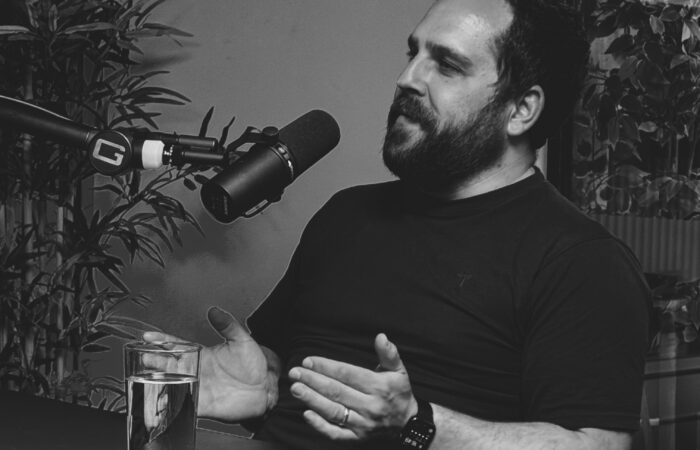
E21: Matt Burton & Russel Brockett

Retainers, Team Culture and AI: The Secrets to Agency Longevity with Rusty Monkey

Listen on Spotify

Podcast Overview

“Just don’t be a dick” is easy enough and potentially one of our favourite lines in this podcast, shortly followed by “we’re actually two 80-year-old women” we can’t confirm or deny. 

Here’s to another episode of Agency Intensive. It’s number 21 and Richard Hill sits down with Matt and Russell, co-founders of Rusty Monkey, an agency that’s been thriving for over two decades in the ever-changing world of digital services. 

Together, they reflect on over 25 years of navigating recessions, technology shifts, evolving client demands, the pandemic and now the rise of AI “It can be a gaslighting jerk”. They manage all this while staying true to the kind of business and culture they want to build.

Tune in as the conversation dives deep into the real keys behind sustainable agency growth: building resilient, profitable and enjoyable businesses that last, without getting caught up in vanity metrics or relentless headcount expansion. 

If you’re looking to understand how to adapt, price creatively, build enduring client relationships, leverage events for business development and have a laugh, this episode is for you. 

Time Stamps: 

00:00 Sustainable agency growth tips

05:13 Balancing different services for stability

07:38 Balancing multiple services in agencies

11:33 Setting up project-based work

14:15 Discussing Budget Estimation Strategies

17:17 Sponsor message from Aristo Sourcing

22:02 Rethinking company structure

23:31 Finding our minimum viable audience

28:16 Challenges of Scaling a Business

31:16 Running events to win business

32:26 Growing the event’s audience

38:33 Networking at events

42:41 AI impact on small businesses

44:53 Using AI for user experience

48:41 Casual and earnest AI users

51:33 Challenges in SEO and Digital PR

53:29 Changes in SEO and consumer behavior

57:52 Derek Thompson’s book and TED Talk
Richard Hill [00:00:00]:
Which type of agencies maybe disappear?

Russell [00:00:02]:
I think a smaller agency can do more now. So these bigger agencies, I think they'll be cutting back on size.

Richard Hill [00:00:07]:
You know, I think it's a really interesting topic that we're on, obviously, like retainers and revenue and sort of percentages.

Matt [00:00:14]:
It was a whole journey, I guess, that took us to what company do we want to be? Who do we want to serve? Who do we want to look after?

Richard Hill [00:00:20]:
There's some big moves there.

Matt [00:00:22]:
Obviously we, we know how to survive.

Richard Hill [00:00:25]:
AI may be reshaping some of the areas of your business.

Russell [00:00:29]:
It might change how we do work. Maybe we can get it out quicker, maybe, you know, lower prices and things like that.

Richard Hill [00:00:34]:
Oh, this is going to be really interesting. It's like the commercial side of running an event, actually.

Matt [00:00:38]:
We just want to share knowledge, give advice and help people connect.

Richard Hill [00:00:50]:
I'm Richard Hill and welcome back to an absolute banger on Agency Intensive. Today I'm joined by Matt and Russell, co founders of Rusty Monkey, an agency they've been building for more than two decades. 25 years in agency life means they've just about seen everything. Recessions, platform shifts, changing client expectations, Covid and now, of course, AI. Yet through all of that, they continue to adapt without losing sight of the actual agency they want to build. In this episode, we talk about what sustainable agency growth really looks like. Not chasing headcount or vanity metrics, but building a business that's profitable, enjoyable to run, and resilient enough to navigate whatever comes next. If you're building an agency for the long term, not just the next 12 months, there's plenty of practical insights in this episode.

Richard Hill [00:01:42]:
Now, before we dive in, I just want to quickly thank our sponsor, Aristo Sourcing, for sponsoring this episode. We've been using Aristo Sourcing for my team building needs from customer service, executive assistance, admin support to digital marketing specialists. And they're a great partner for agencies looking to scale without the recruitment hassle of the more traditional methods. We decided to partner with them after seeing firsthand how their team have helped me and my teams grow efficiently over the past 18 months with reliable, skilled professionals who actually deliver. If you're ready to build your dream team, head to aristosourcing.com and find out more. We put the link in the description so you can go straight ahead and check it out. That being said, let's dive straight into this episode. Hi, guys.

Richard Hill [00:02:27]:
How are we doing?

Matt [00:02:29]:
Hey. Really good, thanks, mate.

Russell [00:02:30]:
How are you?

Richard Hill [00:02:31]:
I'm very well, thank you. Thank you for coming on the show.

Matt [00:02:34]:
You're welcome.

Russell [00:02:35]:
Yeah, thanks for having us.

Richard Hill [00:02:36]:
No problem at all. Well, it's. I think it's been a long time coming this. We've obviously. I met you, Russell, what, 18 months or so ago in the flesh and was like, I've got to get Russell on and we've got to get Matt on and here we are. So let's crack on and have a. You know. I think, you know what I'm really intrigued about straight out of the gate is, you know, 23 years you've been doing this, maybe longer, but that's.

Richard Hill [00:02:57]:
That's the sort of headline I've got. 20 years.

Matt [00:03:01]:
Yeah. That's making us feel very old.

Russell [00:03:03]:
It was longer though, wasn't it? It was 1999 when we started.

Matt [00:03:07]:
I think it was. Yeah.

Russell [00:03:09]:
Century that was.

Matt [00:03:10]:
It was a different name then, wasn't it?

Russell [00:03:12]:
I think.

Richard Hill [00:03:13]:
Yeah.

Matt [00:03:14]:
Because I started out doing a load of freelance stuff and then Russ, you were doing some freelancy stuff and then we did a few bits together and then our other best friend from school. So we're best friends from school, that's how we know each other. We're to university together, we've just done everything together. Yeah. And our other bestie mate Chris, he was doing some freelancing work so we kind of built. Rusty Monkey was sort of formed as a bit of a bit of an umbrella for all the work that we were doing together that was sort of stumbling into us and then like we did that for a few years and then it kind of. So it's difficult because it kind of really became more of a proper enterprise. Maybe about 2008ish or US.

Matt [00:03:56]:
I think that's.

Russell [00:03:56]:
I think that's really. Yeah, it was a sort of. When we got the office, wasn't it?

Richard Hill [00:03:59]:
And it was like the official stamp was then. Yeah. So 2318, 2326. You know, quite a while is the. You know, it's quite some time in agency, in agency world. What would you say is a sort of the honest story of why. Why that is obviously in the last 20, you know, I've been doing this not as long as you, but gone through, you know, a seriously bad recession. Back in the day in my previous business, you know, we had Covid.

Richard Hill [00:04:28]:
Doesn't seem that long ago but I guess what, six years ago that changed a lot of things and then now, you know, a lot of things going on with the thing that we won't mention. AI, we've got to mention, haven't we? You know, you know, a lot. I Know, a lot of businesses have struggled, obviously, but 23 plus years, still going strong, you know. Why would you say that is?

Matt [00:04:52]:
Do you want to?

Russell [00:04:53]:
Oh, yeah. I mean, for me it's just because we do keep adapting. I mean, that's you sort of real business case there. But I think also from us, from a point of view, we just kind of enjoy the work really, and we get our hands dirty and stuck in and we're just on it all the time and it changes. We're interested in new tech, we're always getting new stuff out.

Matt [00:05:13]:
So I guess it's really easy as well to like fall into a niche, isn't it? Like we see a lot of word, you know, back in the, back in the day, even maybe just a few years ago, lots and lots of WordPress agencies. That's what they do. They do WordPress, they don't really do anything else. And we, we looked at that model and was like, well, that one is really boring and two kind of sounds awful because it's really saturated. So we've always, we've always wanted to do like full service stuff because we love the creative work, we love the technical work and I think our longevity probably means that, you know, if dev work is quiet, we can do some video work and if, yeah, video. And that's so often been the case for us, hasn't it, when we've, we've had like one of our departments really busy and the other one can be a bit quiet, but then we can lean on them to do some cool creative things for us and vice versa. The creative team are really busy, so we're like, well, we'll work on our own website. So when both those engines kind of are running full, it's good because it's profitable.

Matt [00:06:13]:
If one's not running at full power, then that's okay because we can then do the crap we need to do for ourselves in the background. So I think it's helped us adapt, I would say, through whatever we need to do. And I think back in the day as well, we were just really cheap.

Russell [00:06:30]:
Yeah, yeah, we're all coming. Naive.

Matt [00:06:33]:
Yeah.

Russell [00:06:34]:
You know, we started off, didn't we, small business. And we've sort of grown through the years, haven't we? So now we're more sort of enterprise snapping at enterprise.

Matt [00:06:42]:
So yeah, yeah, and that was a big thing, I guess. And I guess we picked up maybe some bigger customers when times are more difficult because actually people and companies, they still want to do marketing and creative and cool stuff even when times are hard. And often they'll go, well how can we make a saving on that? And I think during our growth we were the sailing, we were the, we were the really good quality and not very much money.

Richard Hill [00:07:08]:
Yeah.

Matt [00:07:08]:
I mean we don't have fancy cars, we're not fancy people. So we were just making a living really.

Richard Hill [00:07:14]:
And I think you say that, but this is possibly one of the best backdrops we've had on the show. On the, on the Foliage, it's all CGI.

Matt [00:07:24]:
We're actually two 80 year old women. There's. All of this is fake.

Richard Hill [00:07:29]:
It's incredible what you can do with AI, isn't it? I have met you and I. That's true.

Matt [00:07:36]:
Can confirm.

Richard Hill [00:07:38]:
So, so to roll it back then that sort of adaptability, obviously things changing around this sort of, you know, different platforms and different, you know, they went so WordPress, you know, but obviously you may be. And obviously we'll get into some of the things you do now. But then having these two or three or four services within that, whether that's design, build, consultancy and so forth. So when ones may be, you know, having some, you know, there's maybe not quite as much work. Oh we got this, we got this balance. But then when both have got the work, you know, you, you, you're more profitable but still got that balance where it's still profitable when there's maybe not quite full capacity and trying to get that balance, I think is, is thing because you obviously ultimately, when you've been doing something so, so long, you want to be making money, don't you? You want to. The ones to be, you know, we're not just doing it for, for the, for a base sort of just surviving. So it's trying to find that balance because I do see a lot of the times, you know, where we maybe, you know, interview agency owners and we see agencies that are.

Richard Hill [00:08:37]:
The headlines are really, really strong. But underneath there's, you know, a lot of stress, maybe, you know, a lot of challenges and we've all got an element of that. But I think there's nothing better than having a bit of profit in the business on an ongoing basis. So adapting to, to change, I think and I like the idea of ultimately where you know, maybe potential customers are looking at a new partner, a new agency and maybe looking at that price, you know, the price side of things. How do you sort of decide your prices now? Have you got like a. How do you. Yeah, that's quite a, quite an interesting one I think from, from a listener's perspective, you know, People working on hourly rates, people working on minimum project rates, minimum day rates, minimum monthly commitments. How do you sort of price things at the moment?

Matt [00:09:28]:
Should I take this one, Russ?

Richard Hill [00:09:30]:
Yeah, I think so.

Matt [00:09:31]:
Well, it's, it's. I mean, actually if we, if we rewind the clock, I guess to Covid, because that was a really interesting time. And we mostly were running retainers then. And we like that. We like to be in a position

Richard Hill [00:09:46]:
where

Matt [00:09:48]:
we build long term relationships with our customers. We don't want hundreds of customers. We want a handful that we really like and we enjoy doing work for. So we had like quite a good retainer base. And Covid was a scary time. And everybody kind of went. And, you know, our retainers went from something like 20, 30,000 pounds a month down to like eight. Just sort of overnight.

Matt [00:10:10]:
Everyone we need to call our retainer. We found that. What we found though, that the organisations who were doing best were those that just pivoted. They didn't change their monthly spend, they just went, hey, how else can we make this work during this time?

Richard Hill [00:10:25]:
Where's the.

Matt [00:10:27]:
Yeah, so. And it was interesting for us because then we were like in a kind of like. Well, you know, we furloughed some people because there wasn't so much activity going on. And we kind of worked through that and it was all fine. But then we realised that, you know, there's certain models we have in the business and it really falls into three, I guess. One is a retainer based thing, which is hourly, and we are generous with it and we make sure that retainers carry over. And we believe if they're paying for our time, they pay for our time. And you know, we don't.

Matt [00:10:56]:
It's not spend it or lose it.

Richard Hill [00:10:58]:
You haven't used it, you don't lose it, you just carry it.

Matt [00:11:00]:
Yeah, I just think that's really crappy behavior. Um, yeah, the second model we have, which is very rare, but for some of the bigger organisations we work with, they just want something really fast and we just have a billing agreement. So it's the same. It's like a taxi meter, really. You know, hey, I want this thing. And we go, well, it's probably going to cost this amount of hours. We just run a clock and we build them at the end.

Richard Hill [00:11:19]:
And then at the end it's not like a rise five grand. It could be, you know, it could be 50, could be 70 hours. Do you know it's between five, seven grand or whatever. Or whatever the number is?

Matt [00:11:29]:
Yeah, that's a finger in the air,

Richard Hill [00:11:31]:
we think it's this long, you've got to wheel for it.

Matt [00:11:33]:
Yeah, we bill at the end, but it's, it's, we have to have a really good working relationship to set that up. We wouldn't do that for somebody new. And then the rest of the time it is project based. But I think really important thing for project based work is that we, we try not to start the conversation with, oh, what would you, what would you like? We would charge this. And instead we go, what are your goals and what's your budget? And then that's a much more meaningful question, especially if you're a business going out to tender to several agencies. Because if you go, I want a website, please. It's got these eight things. You'll get hugely wild quotes between a thousand pounds to 100,000 pounds.

Matt [00:12:14]:
And yeah, it's, that's, I think, really challenging for customers or companies or organisations and they don't know how much they want to be spending. So I think if we understand people's goals and their budgets, because everything should have a budget, then we're in a good position to say, hey, for that kind of budget, here's how we would approach that work. And then they can compare how we would approach it to somebody else. And I think that's a much better bit of advice to give everybody.

Richard Hill [00:12:39]:
Yeah, I like it. I think, I think listening to, you know, various agency owners, management, I think the budget conversation, some, some people maybe find that a little bit tricky. What would you say to maybe some agency owners that are like, well, it challenges sometimes to sort of get the actual budget or to have that budget conversation.

Matt [00:12:58]:
You've just got to get in there, you've got to have it, I think, and it's, it's not that bad once you start doing it because you can use thing phrases like this. When they go, well, we haven't really got a budget, you can just go, awesome. I love it when, I love it when there is no budget. Because that means we can, we can spend up to a million pounds together, right? We can do so many cool things with that. And then they'll straight away go, oh no, we haven't got a million pounds. And we go, oh, well, I was just exaggerating. I mean, maybe a hundred thousand pounds. And they go, we haven't got a hundred thousand pounds.

Matt [00:13:29]:
Then you go, ah, so there is a budget. And you can keep floating that figure around until they stop being shocked. If they're unwilling to give you a budget, just keep saying, well, would it be 50, would it be 20 and you'll get a feel from it.

Richard Hill [00:13:47]:
Yeah. And if, if they say they came to you and said right, we're looking for a big com site 10,000 SKUs and they give you, you know, a bit of a machine gun, one minute version of what they want, you obviously then got a feel for, well that project could be between let's say 20 and 50k. Obviously it could be. So would you then maybe say when they say we haven't really got a budget, would you then say well typically a project like you've explained would cost in the region of you know, and then insert that to and from or from and to.

Matt [00:14:15]:
Sorry, yeah, comparable projects are nice, aren't they? I think you can just say hey, well we did something over here that's quite similar and their budget was X and that worked fine. I think that's not a bad approach to do either. And finally there's something else that you can do if they are still fuzzy with budgets or don't understand it. It's like, well hey, would you like some help in working out what your budget should be? Because if you're a dog walking business, getting a budget of £100,000 together for, you know, a £30,000 business is, is not really worth doing. Whereas if you're a company who's turning over, you know, millions of pounds and you have a huge customer base and those are skus and complicated commerce, you shouldn't be just spinning up a wix store for free, switching on the E commerce and hoping for success. So yeah, everything has a, everything has a sensible amount of value and there's some ways you can work out that value too. One neat little trick I like as well is, especially if it's a redesign, you could say hey, what would it cost your business? If it's a website? Hey, what would it cost your business do you think if you switched your website off, what's it worth like in terms of lead generation, in terms of sales, in terms of brand awareness? What do you think the value of that is over time? And you want a website to last four or five years that will give you a rough idea of the value of the thing.

Richard Hill [00:15:37]:
Yeah, I think we don't do web builds but I remember the sort of conversations we used to have when we did do them and we'd get brands that would spend maybe say 3, 400 grand on a new store and they've got multiple stores but then when they came to having a conversation about the website, so we'll it's like another store, isn't it? It's a, you know, it's a. Would you spend three or four hundred grand or would the might your mindset be to spend three or four hundred grand on a store? Probably not. Definitely not back then, but more so now potentially. That's a big number to be fair, but yeah, sort of frame framing it in the right way. Like you say, you know, you're gonna spend all this time opening a store on the high street, maybe for even a smaller business, you know, 50K. So comparatively, we're probably going to get in front of a lot more visitors online. But then if your budget is probably unrealistic to do what you want to do offline online. Yeah, interesting, really.

Matt [00:16:35]:
Strangely, it can be the other way around. So you've seen it, you know, somebody came to us and said, hey, we've, we've got a budget of £200,000 to rebuild this thing. And we're like, okay, that sounds a lot, but let's get into it. So all we did for them in the end actually was discovery. We just sat and we spoke to every, everybody in their business all over the world. So we're speaking to people in China and America, everyone. We asked everybody what they wanted from a new website, we helped untangle their code and we just drew out a scope for them and we said, actually you've got too much budget here. You shouldn't, don't spend all of that.

Matt [00:17:06]:
Put a tender out for about 80 and you'll be getting exactly what you need. So sometimes, very rarely, it's the other way around. It's like the budget's not commensurate with actually what they need.

Richard Hill [00:17:17]:
Yeah, yeah. Now I'm just going to pause this one for a second with a quick note from our sponsor, Aristo Sourcing. Now, when it comes to building high performing teams overseas for my agency, Aristo Sourcing is my go to partner. Whether you're looking to scale your operations, reduce costs or access world class talent without the hassle, they've made it incredibly straightforward for us. I've personally been working with them now for over 18 months and continue thoroughly recommend their services firsthand. If you're ready to build your team and take your agency to the next level, head over to aristosourcing.com to find out more. Now let's get right back into this episode. I think the people that have got, you know, I've got quite a different business to yourself.

Richard Hill [00:17:55]:
So I'm, I'm, I think the, the listeners would be interested From a. You know, you're doing a lot of design and build, as I would call it. What's your split between retained incess. Your income is X. What's your percentage of that is retained on a monthly basis?

Matt [00:18:11]:
I think we're about 40 now.

Russell [00:18:13]:
Retainer.

Richard Hill [00:18:14]:
40 retained.

Matt [00:18:15]:
Yeah.

Russell [00:18:16]:
Yeah, it's going up. So it wasn't. Obviously it was a lot less. And now we've just been building it up sort of this year, haven't we? So I think it's going up. But I mean, we always had a thing where if we can cover the wage bill from retainers, then that was a really good sort of level to be at.

Richard Hill [00:18:32]:
Yeah.

Russell [00:18:33]:
And then, yeah, the rest from project.

Richard Hill [00:18:35]:
But that's an interesting stat because I think most agencies that I've spoken to, their wage bill is normally circa 50%. 45. 50% of outgoings is salary. Yeah, that's quite. Yeah.

Russell [00:18:47]:
So it's quite a rule of thumb.

Matt [00:18:49]:
It feels nice and it feels really safe. I think at the moment we're probably a little bit under.

Russell [00:18:56]:
Yeah.

Matt [00:18:56]:
Knowing the what we try and bring in every month versus what we know we will already do every month, I think. Yeah, it definitely feels. Feels like, you know, another few grand a month would probably just tip us into that. We've covered our. Do you agree with that, Russ?

Russell [00:19:11]:
Yeah, I think that's where we've been in it because, you know, I think there are ups and downs. I think there was a bit of a recession last year and we certainly, you know, a lot of the inquiries are a lot less, you know, whereas now it's definitely picked up. So. Yeah, I think we've just been building them off that now and getting back to that point. But yeah, we've got a little bit to go, haven't we?

Matt [00:19:32]:
Yeah, we felt last year was really tough. It was a really tough year for us. Obviously, we. We know how to survive. We've been around for quite a long time. So we. Yeah, we saw it coming and we put things. Yeah.

Matt [00:19:46]:
Put things in place. But this year is completely different to last year. But then everyone you talk to has a bit of a different story at the moment. I don't know. Yeah, see the same.

Richard Hill [00:19:55]:
Totally as you're saying that, you know. You know, it's. And yeah, we had some. Some veins of similarity there. But also I'm thinking. Yeah, we were. We had a really good year, you know, last year and then the really good start to the year this year. And the last couple of months have been really quiet for us.

Richard Hill [00:20:10]:
You know, you Know, ish. Not really quiet, but they've been quieter. So you just don't know, do you, what is quiet? But I think that's the, the thing where you, you know, as I have been doing this quite some time, this is the sort of the, you got to get used to this, you know, and then where, where you have this nice volume of retainers. This is where when there's maybe a quieter month or two or three or four, you know, you can, you know, you can go through those months. No. Oh, actually, yeah. We're all good because, you know, we've got this amount of money coming in regardless, and our overheads are this. So even in a quieter month, you know, we can, we can do okay sort of thing.

Richard Hill [00:20:47]:
But it's, you know, it can take obviously many years to get to that point. Something I'm interested in, in that vein is, you know, I think it's a really interesting topic that we're on, obviously like retainers and revenue and, and sort of percentages. But people, you know, people, you, you know, my understanding is you, you've kept the sort of, you know, that the numbers of people around a similar amount over the years and you've done that consciously. Maybe talk our listeners through that.

Matt [00:21:14]:
It's pretty one for me again, do you think, or do you want to.

Richard Hill [00:21:17]:
Sorry, Russell. We'll let you have a go in a minute.

Russell [00:21:19]:
Well, I'll chip something in at the end, maybe. Yeah. All right.

Matt [00:21:21]:
Well, I get, I mean this, this brings us back to part of our journey, I think, Russ, because we had, we had no cap on how big we wanted to get.

Richard Hill [00:21:31]:
Yeah.

Matt [00:21:32]:
For a long time. And we had no real sense of maybe who we were for a long time. So it, it took a lot of growing pains, I guess, because we never, Russ and I never set out to build a. An agency full of people, did we? It was, it was never some, it was just total accident. You know, we, we got busier. We needed people. And then you blink and, you know, there's 15 or so people. So there's a handful of things really.

Matt [00:22:02]:
There's one of my friends who we do, we did a lot of work for and still do a few bits for. He went onto this Goldman Sachs course and he came back off this Goldman Sachs course and he says, learned some really interesting things. He told me a few and one of them was, you should build the team you want to have in three to three to five years now, at least sketch it out so you know exactly what, where you want to be in that Time and I'm like, cool. And I started drawing out and it was really weird. I started putting us at the top and managers here and then, I don't know, slave drones down here or something. Super hierarchical. And I'm like, What is this, 1970s? And when me and Russ started the business, it was mostly because we really weren't enjoying working for the man, I guess. And so when I drew this out, I was like, this just really feels like we're going to be the man and we don't want that.

Matt [00:22:54]:
So we looked at different forms of management structure and one of those is something called Holacracy, which we, we've partly embraced as best we can. But we understand that flat hierarchical structures are, are a challenge. So we've devolved lots. It's a very long answer. We've devolved lots of power to our team to take ownership of different parts of the business. So it's led us, led us down a road where we had to start focusing on a handful of things to make that ecology work, if that makes some kind of sense.

Richard Hill [00:23:30]:
Yeah.

Matt [00:23:31]:
And one of the things we started doing was a lot of brand work. And there's a brand term called minimum viable audience, which describes the smallest audience you can sell to. The way I like to give an analogy is like us three, we're sick of all this agency life. We're going to sell T shirts. If we go online and try and sell T shirts, we're not going to sell to anybody because Amazon exists. So it's a case of going, well, how can we make our products really unique? What's our minimum viable audience look like? So for a T shirt business, we want to go, well, let's sell ethically made, locally produced, super soft cotton T shirts for which have heavy metal prints on, for Welsh speaking countries. And as soon as you do that, you have like a really defined audience that you can sell to. So in that process, we were trying to work out what our minimum viable audience looked like for Rusty Monkey, because we've got certain challenges and wanting to be a full service creative agency because we don't just want to go around and go, well, all we're going to do from now on is WordPress.

Matt [00:24:33]:
That felt entirely not who we were. And also it's not like we have a very specific sector that we would do work in either. We do B2B, we do smaller businesses here and there, we do bigger companies. We are refining that a tiny bit with regards to who we're looking after now, which is mostly sort of Small to medium enterprises, Russ, would you say, or enterprise?

Russell [00:24:56]:
We're mid market really and go more into enterprise.

Matt [00:24:58]:
I would say yeah, small, yeah. So we don't deal with so many of the small people anymore. But what we ended up doing was we created a little triangle which is helps us define our minimum viable audience. And we want budgets. Budgets and goals. We've already mentioned that one that's really useful for us. We want the work to be fun because we want to enjoy what we do. And importantly, we want everybody we work with that's the top of our triangle.

Matt [00:25:22]:
It's like a cultural fit to be somebody we would enjoy working with. And when we were going through all of this process, we were like, well, how do we fulfill all of this and what does good look like? And we very much went well. I think good would look like for us would be a handful of these golden triangle customers, maybe 10, maybe 12. And then we would close our doors to new business and we would just work for those companies. And very occasionally, maybe there's one that we've done enough for and they can fly the nest and we can bring somebody new in who looks really exciting for us. And in the same breath we thought, well, that feels the same for our team.

Richard Hill [00:26:00]:
Right.

Matt [00:26:01]:
If our team can look after those customers in the same way, we don't need to get a hundred people in. We just gradually keep changing the 12 or so customers we think are going to bring us the most value. So it was a whole journey, I guess, that took us to what company do we want to be? Who do we want to serve? Who do you want to look after? There was this. It's this whole kind of brand piece that led us down that road. There you go, Russ, you can do your little follow up, mate.

Russell [00:26:26]:
Yeah, well, I was going to talk more from, you know, your sort of business operations type point of view that, you know, what I really noticed is, you know, you're a small company, it's quite easy to run things. You know what's going on. You're all sat in the same room, you're all talking to everyone. You get to a certain size, you know, you start to get between maybe 8 and 12 and things start to change. You get that diseconomy as a scale and I find that as the business owner you can't do work anymore. You have to do like admin. And it's not even, you know, anything special. It's just, you know, payroll, HR stuff.

Russell [00:27:00]:
People are always asking you questions about holidays and stuff like that because you've got more people, more difficult to communicate to your staff. And it's quite, just quite a jump, really. And you don't, you don't think it's going to happen. You think it'll be a straight line growth thing. But that was a, that was a really big thing. I noticed. You just get to a certain point that's. Oh.

Russell [00:27:18]:
And I don't know if the thing to do is just try and grow really quick to 20 and then put someone in to do your HR. I don't know if that's the way you do it, but, yeah, it's. Well, yeah, that's the thing that stood out most of me, I think.

Matt [00:27:29]:
Yeah, there's definitely those pains on there and, and I think, I think alongside that there's this. There's something that's a bit weirdly special with Steam Monkey and our team. We are, we're all really good friends and we've got, like, people to stay here for ages and it's, it's not, I don't think, the easiest place just to come into and just be part of.

Richard Hill [00:27:55]:
Because we are very established relationships and temperate the community culture.

Matt [00:28:02]:
Yeah. So for now I think we're even happy with the team we have. We just want to focus on the work we're doing and then there maybe is a slightly more longer term vision of building that up a bit so that we can maybe do less production. But at the moment we're just sticking where we are. Yeah.

Richard Hill [00:28:16]:
And I think that's brilliant. You know, it's like, like you say you're, you know, happy with that sort of, you know what, you know, where you are with the business, you know, you've got a. It's getting that balance, isn't it, of you, like you, like Russell was alluding to, you know, it's like, well, do I want to spend a lot of time doing HR or going through that and getting that, or do I actually enjoy what we're doing, you know, what I do as an owner, co owner, etc and, you know, or do I want to park that bit while we maybe go through a growth spurt where I've got to learn this and maybe put a hat on that I'm not as comfortable with, but I've got to do it or not do it. And I think that's where, you know, going through Those, you know, 10 to 12, as you said, 10 to 12, then going to 18 to 20 and then 28 to 30 is. There's some big moves there. Very, very, very big moves. Big Risk, potentially, you know, and I see it a lot where your agencies try to do that piece and obviously there's nothing wrong with that at all, but it's quite a challenge at the same time, you know, a lot more mouths to feed, you know, double the wage bill. That's a, you know, that's, that's a challenge in itself, you know, and then

Matt [00:29:21]:
maybe, I've got to be honest as well, they never look super happy either. The, the, the, the agency owners who have like, you know, 50, 100 people. Yeah, they, they seem a little frazzled and a little stressed.

Richard Hill [00:29:34]:
At what cost? Isn't it? Isn't it? Totally, totally.

Matt [00:29:36]:
Yeah.

Richard Hill [00:29:37]:
And like, he's going back to the clients, you know, you know, you could pro particular client, but in reality, from a culture perspective, from a nice environment, you know, nice for your team to work with this particular person, brand, you maybe think, you know what, it's going to be a nightmare. Why do we want to, why do we want to, you know, ruin, you know, and we've had that. We're like, absolutely not. There's no way we are working with that brand or that. And over the years, not many times, but, you know, a few times. And there's maybe going back, you know, a couple of instances I can remember going back some years where we maybe broke that rule and it was a bloody nightmare. We had to sack. I mean, I remember two clients we've had to sack since I've had this business and, you know, should have done it years before because the sort of, the sort of stress.

Matt [00:30:21]:
Yeah, I applaud that too. I plot that and I think that's like. I mean, I'm not sure what your audience is like to watch this, whether they're entrepreneurs or people looking to get into this kind of business, but I think it's the one thing that. It's a really good bit of advice, isn't it? It's like you were allowed to sack your customers. The customers are not always right. That's a really toxic. It's a really toxic phrase. The customer is always right.

Matt [00:30:44]:
And actually there should be mutual respect and partnership. And the moment that people don't show you that respect or trust, then that's difficult. And I think, yeah, we, we have done the same thing. There have been companies that we've worked with and we've gone, actually, I think you'll be better off with a different agency. You'll find better traction. We're maybe not your guys and that's great and that's cool. Yeah, you Know, don't work with people who make you unhappy. It brings you.

Matt [00:31:13]:
Yeah, so nothing but family.

Richard Hill [00:31:16]:
So having that core group of clients, you know, that are sort of the, you know, 1012, whatever that number may be, you know, and then every now and then we might think, well, yeah, you know, obviously some projects, clients come to an end or you know, for different reasons and maybe just top in that one or two up, you know, and then a few other nice things come along. But obviously winning new business, I think that's, you know, a topic we talk about a lot and something I'm very passionate about. And I know you guys run, you know, a couple of, of events not too far away from where I'm sat right now, maybe 45 an hour hour drive away obviously to run events and to market events and to get bums on seats at events. You know, it's quite a, quite an ask for a, you know, a 15 person agency, you know, step us through that sort of, you know, I think what our list is, I'll be really interesting. It's like the commercial side of running an events and you know, does it, how does that work?

Russell [00:32:12]:
Yeah, well, so I optimise and socialise. There's a monthly event we run in Nottingham and that's sponsored by Stripe. So yeah, obviously that takes away a lot of the headache of trying to find sponsors or paying for it.

Richard Hill [00:32:24]:
Getting the sponsorship has really helped.

Russell [00:32:26]:
Yeah, yeah. So, you know, that's, we don't have to spend time on that obviously and they give us support as well. And we just launched a new portal which I think, yeah, you've seen anyway, which again will help us, you know, get people in. But I mean initially we did when it was new, we had to spend a bit of time, went on LinkedIn, you know, sending out invites and you know, sending messages just to people I think might be interested and did all the usual, you know, posting on social and putting the word out and you know, now it's kind of as a bit of momentum and so really, you know, you start to just get people coming anyway and I think word of mouth people just hear about it. So it's kind of got its core sort of attendees now and it's actually through it we've discovered the even wider sort of network in, in Nottingham. So, you know, I've been going to other people's events anyway now and there is, I think that helps anyway, you know, just other people running their events and spreading the word in terms of, you know, the actual nuts and bolts of the event. What we did from the start. We wanted to pick a venue where, you know, everything's pretty much there.

Russell [00:33:36]:
So again, we're not ordering catering, we're not trying to get AV set up. So it's essentially find a place where, for your budget, you can get your room, your catering, your big telly and all that.

Matt [00:33:46]:
Your beers.

Russell [00:33:47]:
Yeah, beers. Yeah, a whole lot. So it means literally, you just rock up with your laptop, plug in.

Richard Hill [00:33:53]:
Yeah.

Russell [00:33:54]:
You know, and obviously we do some name tags and stuff, but it's just things like that, I think, just keeps that overhead down so it doesn't become. It's not that, you know, it's not that much of a bind, really, you know.

Richard Hill [00:34:03]:
Yeah.

Russell [00:34:03]:
It doesn't take up a huge amount.

Richard Hill [00:34:05]:
First one or two over the line, isn't it? Like you say, that's just repeated. Working with a sponsor can be a little bit challenging to find a sponsor. But even so, if you're using a venue where it's really, you know, you're not, you know, it's not 50 quid ahead catering, it's, you know, it's. It's sensible but nice. And then. Are you doing like a. So there's a presentation. There's obviously.

Richard Hill [00:34:25]:
I know there's present. There's like a sort of a smaller presentation at these events and then it's more networking and Q A type style.

Russell [00:34:33]:
Yeah. So we normally like to have a couple of speakers. Matt often does one that you. Matt, you saw him not.

Matt [00:34:38]:
Yeah, but it's general Six. General is. I've been really impressed with, though. This is how many speakers you have had wanting to do it. And that's mostly. Some people come to the event and they're like, oh, I really want to speak. Or sometimes it'd be someone who hasn't spoken before. And sometimes they could be a reasonably sized brand as well, that they're.

Matt [00:34:57]:
They're part of and they're like, oh, I really want to improve my public speaking. So I think that's like. That was a big surprise for us because we may be expecting that it would be often Rusty Monkey doing a talk or we're going to have to try and find people to come and do the talk. But I think that's been pretty good.

Russell [00:35:15]:
Yeah. Because it is. It's a community event anyway. It's a stripe community, really.

Matt [00:35:18]:
Builders community.

Russell [00:35:20]:
So I think the idea is, you know, everyone gets involved and joins in. So it's. Even though we run the event, it is. It is about everybody joining in, taking some ownership. Yeah. So it is like that Nottingham Stripe

Matt [00:35:32]:
group really and Stripe have been excellent as well, haven't they?

Richard Hill [00:35:35]:
Yeah.

Matt [00:35:35]:
Been an amazing partner for us on the event and yeah, it's just really nice to see in a way and I think anybody out there that's thinking of doing such a thing, there is effort at the start, there's no question because we want to make sure all the, all the design work we do, all the brand is really strong. So creating social media templates, creating the actual look and feel of it, the pop up banners. Yeah, all the invites and all of this works. Sorry. Yeah, exactly. You've got to get, you've got to

Richard Hill [00:36:03]:
get your tax, you've got to get

Matt [00:36:06]:
your tat sorted basically. And, but that is, that is a bit of a hill to climb and then you got to get the first people there. But then after that it just becomes, yeah, relatively not too, not too bad to do. I sometimes have to do a bit of a last minute scrabble to do a talk, but I'm old mouth anyway, so.

Richard Hill [00:36:24]:
Yeah, so there must be a lot of people listening right now that are probably contemplating doing events. So what we're saying is, you know, you stripe is a bit of a clue, I think. Stripe for very much, very active in terms of building communities all around the world. So I'm sure, you know, if you were to reach out to any of us on the, on the call right now on the podcast, we might better intro somebody to stripe Nottingham. Not in Lincoln or Nottingham though, of course, but obviously there's other sponsors and so forth. But you know, obviously some of these events don't have to be, you know, you know, very, very, you know, tens of thousands and thousands and thousands of pounds and dollars and so forth. You know, renting a local, you know, space in a, you know, whether that's in a co working space, a nice hotel, you know, a nice venue can be several hundred pounds, you know, coffee and beers and some snacks and so forth. It's pretty low cost, isn't it, in reality? But it's usually a case of getting off your ass and doing these things.

Russell [00:37:28]:
Yeah, it's been putting the effort because I mean you don't have to spend anything really. You could just meet up at the pub if you want. You know, it depends what you're doing. Exactly. This girl will have this corner of the pub. Yeah. Or you can do webinars or there's a lot of choices there. We'll start and then build it up, you know.

Russell [00:37:43]:
Yeah, I think that's all.

Richard Hill [00:37:44]:
So how long we've been running the. How long we've been running events now?

Russell [00:37:48]:
Well, actual events. We've done a few years now. Maybe four years. Maybe four years.

Matt [00:37:52]:
Four or five years, I think, which has been really good. I mean, it's, it's one of these. We never set out goals for our events to be a lead generation engine. That was never our purpose, Russ, was it? And we were very clear about our purpose, which is actually we just want to share knowledge, give advice and help people connect. And we've, we've, we've stuck very close to those tenants of what we're trying to do at events. Because the moment you're trying, you're doing events for lead generation, you will start trying to sell people.

Russell [00:38:27]:
People.

Matt [00:38:27]:
And as soon as you're trying to sell to people. Yeah, you're not doing an event, you're doing a. It's like.

Richard Hill [00:38:33]:
That's a massive, massive point because I think, you know, we, you know, we sort of have, I guess, our ears to ground a lot of events and there's a lot of people doing events, but I think, you know, a lot of people are very wary of going to events, just getting sold to, you know, and that's not the way to do it. So I think you've got to be very careful how you do them and do them, how you're doing them. You know, a lot of people, you know, I've had various feedback from people. So I went to this event and I had 15 people follow up with me after the event sort of thing. And at the event and it was just like, you know, so I think it's just really, it's about having those conversations, it seeing where you can help, you know, and whether they are a fit client or, you know, those that you just don't know who's in those rooms that over time, you know, different people you meet that, you know, might recommend you or might work with you, but you don't do it for that directly. It takes time, doesn't it? As you, as, you know, 23 years or 25, six years later, some of those conversations. Have you got any stories of maybe somebody you met at an event, you know, four or five years ago, or maybe, you know, I know that's. You probably been going to events way before that as well where you know, somebody you met many, many, many years ago, then said, hey, I met you, I met you, Russell.

Richard Hill [00:39:40]:
And we shared a beer over, I don't know, Trent Bridge in Nottingham. And I. Anything that resonates that's sort of come from an event many years ago.

Russell [00:39:52]:
I was thinking when you was on that. When he was on the wedding and. Oh, that was only recently years though, was it?

Matt [00:40:00]:
It was a few years. It was two years or something. I mean, I think there's a more fun story though, actually, which is, I think closely related, but it's not event related. But we did a thing as simple as, you know, we quite like movies, we like games here and. And so we did a. We did just did a. Win a free cinema ticket. We do a lots of partnerships with the Broadway cinema here in Nottingham because we love it.

Matt [00:40:25]:
Independent cinema in Nottingham and it is the best. So we did a winner free cinema ticket. Just a bit of social media fun and a very old friend of mine ended up winning the cinema ticket. She did photography for my band years and years ago and then she rocked up to the. To our offices and to pick up the ticket and she's like, oh, Matt, look at the size of your business now. This is amazing. Tell me more about what you do. So I had a quick chat with her and she went away and said, I've got some work you can tender for.

Matt [00:40:57]:
And that turned into, I think over the next three years, it must have been towards £100,000, £200,000 worth of work for a company just from us just doing something nice. We had no intention of doing anything.

Richard Hill [00:41:17]:
Yeah, we like movies.

Matt [00:41:18]:
This is nice. So that was. I think that's kind of, you know, a demonstration of just building connections and just doing nice things for people. Do pay dividends. Just be good. Just be a good person.

Richard Hill [00:41:33]:
It's quite easy really, isn't it?

Matt [00:41:34]:
I think. Just don't be a dick. It's that easy. Wouldn't you? But unfortunately there are some dicks out there.

Richard Hill [00:41:41]:
Yeah. Yeah. By the sound of it, we've had a similar path, I think, in terms of our dick radars. I don't know if that's an actual thing or not. I'll probably edit that out. Maybe not.

Matt [00:41:51]:
Oh, come on. You have to keep that in. That's the title of the cast. Right.

Richard Hill [00:41:54]:
I think we've got our stiff tires.

Matt [00:41:57]:
How accurate is your dick right now?

Russell [00:41:58]:
It made.

Richard Hill [00:41:58]:
Ours are similar.

Russell [00:41:59]:
Yeah.

Richard Hill [00:42:00]:
Who knew? Anyway, so we'll get back to so AI. I think, you know, a lot of agencies, agency owners are looking at AI in all different ways, obviously, depending on who's listening, from, you know, marketing to UX to web design and so on and so on and so on. But what I'm interested in is, you know, I'm sure Our listeners are from within your agency. You know, how is AI maybe reshaping some of the areas of your business?

Matt [00:42:35]:
Well, I think we could both talk for a long time on this Congress. I've done a lot, mate. You, you give yours.

Russell [00:42:41]:
Yeah, my feeling is the smaller businesses, smaller teams as well. You know, our customers we used to have, I think they've started picking up now. They're using a lot more AI in house to do their stuff. Yeah, well, I think bigger companies, you know, they still need, you know, you haven't got the owner operator so much. They still need staff, still need people and experts and they can't, you know, they don't want to take risks. So I think that end, you know, it might change how we do work. Maybe we can get it out quicker, maybe, you know, lower prices and things like that. But I think the biggest change is with those small businesses.

Russell [00:43:17]:
But what we, we are wondering is because we've gone through the whole journey of, say, software development and that whole cycle and we know that, yeah, you can just knock something out, but if you don't have proper DevOps, you get to the point where you just grind to a halt and you can't make changes or you'll get, you know, security problems you have to fix in like two minutes of where you're being hacked. So we're wondering if, you know, it's just a slight dip and then when people start to hit problems or they get hacked or they've got this sort of, you know, piece of software they can't upgrade, they might call us in to sort of, you know, try and fix that for them. So.

Matt [00:43:54]:
Really?

Russell [00:43:54]:
Yeah, from the sort of software point of view, I can, I can, I can see that happening, especially as AI gets better at hacking now. So we're kind of, you know, I've heard a few people talk about, you know, in a couple of months it's coming, you know, and, you know, we're all going to be all out, so. Really?

Richard Hill [00:44:10]:
Yeah, sorry. So you are seeing sort of more on the smaller side of businesses doing more themselves, but then you are also seeing, then they're hitting challenges.

Russell [00:44:20]:
I think they will. I'm not quite seeing it yet, but I know from my own experience that I know what happens when you just do that, when you just create this monolithic piece of software and bang it out. Yeah, it's great. But then, you know, six months, year down the line, it's like, oh, we need to have this now. And it's quite difficult.

Richard Hill [00:44:37]:
But again, all your internal information is online and indexed in Google. How did that happen? Because actually the AI calls its thing and we gave access to this folder that we shouldn't have done and now a whole.

Matt [00:44:49]:
Yeah, yeah, we pasted our private keys into it.

Russell [00:44:52]:
Yeah, yeah, yeah.

Matt [00:44:53]:
I mean there's, it's, I think if anybody, anybody across any business, if you're looking to use AI, I think it's a case of understand what it's really good at, what it's okay at, but you've got to be cautious with and what it's actually pretty bad at and the stuff I think it is good at and we do use it for, to speed things up for us. We're very open about when we use it though we never, we would never present AI stuff as something that we've created. We would always say, hey, we used AI to help us get this far. What do you think of this? So a great example is in user experience, actually, because we used to do user workshops and we'd sit through and talk about every single user that's going to use the website and all of their use cases. Now we can go, hey, give us, give us your top few users, give us an idea of what they do and we get AI to generate the rest and then we're in editor mode, we have to think less and we can go, nah, that's rubbish.

Richard Hill [00:45:53]:
AI.

Matt [00:45:53]:
Oh, that's quite good. So, and that's, that's taken a two day workshop down to about two hours. So it's considerably reduced our effort there. But we're open about it and say, hey, we won't, you can do two days if you want, but why don't we just use this?

Richard Hill [00:46:06]:
As a result, that's brought the cost down for the client, hasn't it?

Matt [00:46:08]:
Exactly, yeah. And we, that's where we've, that's what we want to do. Because some of this stuff's not very interesting and in fact most of the boring things, it's very good at, it's good at research, it's good at finding answers quickly. It's good at creating lots of content that you can then edit all over here. It's got very smart now with the agentic stuff of being able to look across full repos and be able to do things in dev land, but you've got to be super careful with it. It's a dick. It will rewrite stuff, it won't understand things and it can be challenging. So that's getting, that's a bit fuzzy ground there really.

Matt [00:46:45]:
We still like to make sure that we're, we're coding as much as we possibly can ourselves. We do use AI here and there to speed it up, but it's mostly in small modules of it because we all go, well, I want to write an if statement here. You just have to go, I'm in php, how do I do this? If statement. Here we go. Or you'd be on stack overflow. You're cutting and pasting. It just saves you time. You're still prompt engineering the logic.

Matt [00:47:10]:
What it's very bad at still, we think is understanding humans and audiences and creativity and imagination. It's, it's very bad at that. I, I play Dungeons and Dragons because I'm a nerd and I've been playing with AI to try and get it to sit in that space and it's so bad at it. Even with the agentic stuff, it's great for all of the, hey, quickly create me some stuff. But actually being a player or imaginating, it's, it's pretty bad at it. So I would say just understand what you. What it's good at and, and apply it properly, but be very cautious because it can be a gaslighting jerk, really.

Richard Hill [00:47:56]:
Okay, well we'll maybe get you guys back on. I mean, 12 months and we'll do the whole AI. Right? What happened in the last 12. See, see what you're, see what you're using.

Matt [00:48:07]:
I mean, one thing I genuinely do believe with regards to AI is I saw a graph recently, like a. It's a big grid, like tiny little dots on it and most of it was gray. Right at the bottom there was a little bit of orange, I think, and right. Tiny part of that was a green dot and it represented AI usage over the world. And it's basically saying the gray area, people have no idea about it. My mum has no idea about it. And I imagine lots of people in the content of Africa don't huge amount about it. There's probably people all over the world that don't use it, don't touch it, don't stand it at all.

Matt [00:48:41]:
Then there's these, this tiny little block down here, this like casual users of AI. And I think that's where a lot of people sit at the moment, is in that space. They play around with it, they use it a little bit. And then there's very tiny people, amount of people who are really using it in earnest. And that probably is agencies and organisations and software developers and all this that they're using in earnest. So there is an opportunity here to help get it right. But I think as. As it grows, those people who are now using in earnest, as soon as we see AI somewhere and it isn't flagged directly to us as being AI, we switch off.

Matt [00:49:18]:
So social media now I'm like, that's AI, that's AI. And I don't. I will not. I will not interface with it because I'm like, that's written by a robot. I don't care.

Richard Hill [00:49:26]:
Yeah.

Matt [00:49:26]:
And I think there'll be rejection of AI generated stuff when it's clearly AI and people aren't saying what it's for.

Richard Hill [00:49:34]:
We're seeing that, aren't we, massively on socials now. I think a lot of people have turned off socials almost, you know, because of this, like, what is this wall of nonsense that I'm seeing on a daily basis?

Russell [00:49:44]:
Yeah, yeah.

Matt [00:49:45]:
We are going to run it with a world of AI where robots are attacking robots as Robot wars and robots are creating social media for robots to comment on. And we're all sat going, what have we made?

Richard Hill [00:49:57]:
You'll be turning your copies off. You'll be Dungeons and Dragons in war.

Matt [00:50:01]:
Oh, well, man, I'll be fine.

Richard Hill [00:50:02]:
Them to it. Let's leave.

Matt [00:50:03]:
I'll roll some dice, mate. It be fine.

Richard Hill [00:50:06]:
So, last couple of questions, guys. So obviously very, you know, specialist agency. I love what you've built there and this, the culture and the way you see that, you know, really, really, really resonates with, with me and, and my business. So, you know, really applaud what you built. But, you know, obviously a lot of things happening with AI. A lot of people got different opinions on sort of specialist agencies against broader, broader sort of offerings. You know, three years from now, what does the agency landscape look like? You know, what would you say for like a boutique creative agency? Obviously, you're very, you're very specific. You know, you were predominantly on bigcom, I believe.

Richard Hill [00:50:43]:
But, you know, what does that look like in three years? Which type of agencies maybe disappear over the next few years? Which get. Which agencies get more valuable, you know, and if, you know, if. If we've got people listening, you know, we've got people that are listening that are, you know, doing, you know, some, you know, considerable numbers. But we've also got people listening that are deciding whether to. How to specialise, what to specialise in. You know, what would you say to those guys?

Matt [00:51:10]:
That's a great question.

Russell [00:51:13]:
Three years.

Matt [00:51:15]:
Three years.

Richard Hill [00:51:15]:
It's a long time. Even say 18 months.

Russell [00:51:19]:
I mean, my feeling is you'll get smaller agencies because I Think a smaller agency can do more now. So these bigger agencies, I think they'll be cutting back on size. So, yeah, I think that's actually where we benefit because it will sort of elevate us, really.

Matt [00:51:33]:
So, yeah, yeah, I think, I think some of the spaces that might challenge, that might be challenged a little bit, I think, is in the world of SEO, I think that's going to get pretty disruptive, disrupted as people, even now, they haven't quite sorted out the term for, is it aeo, is it geo? So I think as people, their search behavior changes. I think if you are an agency that just does traditional SEO, I think that's going to be. You're going to need to be able to pivot pretty quickly and be able to be able to fill some gaps there. And I think it's the same in the world of digital PR a little bit, I think, because that's all about kind of sort of link building. And I think, I think some of that's going to move more towards being able to really properly capture Magentic search and win some of that. And I think these, I think we're going to see a lot more in the world of advertising inside the agents as well. Because interestingly, we know from being in this business for years and years and years that whatever platforms we use, they capture information about us and they sell it. So, you know, you join Facebook free, they know all of your stuff and then they sell it to advertisers.

Matt [00:52:47]:
And I think it's surprising how much I've ended up using like an AI and I talk to it about all sorts of kind of things, but it now knows an awful lot about me. I'm approaching high blood pressure and it knows I'm approaching high blood pressure. So I ask it a question. Yeah, I ask it a question over here and it's like, well, if, if you are thinking about your blood pressure with this question as well, X, Y and Z. And it's like, so it already knows all this stuff. I have started seeing blood pressure monitors advertised towards me. I don't know if it's already. So I think, I think, I think there's opportunity and I also think there's a challenge that a lot of agencies are going to face if they're not agile enough to adapt.

Richard Hill [00:53:29]:
Right at the beginning you talked about the sort of, you know, 23 years or. And then some, that adapting to the market to change, you know, and when you said about SEO and geo, of course, if you're an SEO agency trying to do the thing that you were doing week in month in month out a year ago, you are not here in 612 months, you know, and so, but yeah, has a lot changed with that space? You know, we could argue that. So the cows quo I think in terms of SEO wise but ultimately people's perception of what is happening, you know, the behavior of way way people are finding things has changed. So how many people are actually buying off chat GPT and searching? Of course some. But is it 90? Of course not. But it is going to start to go, isn't it? It's going to start to. And same on I guess on your side, you know people are going to be buying from, you know, they're not going to be going to the website. So then you know, this is the, this is the theory but more the theory, isn't it? You know, with UCP and so forth they're going to be.

Richard Hill [00:54:29]:
So now it's about the quality of the content which is very much where, you know, a web dev agency should maybe focus on the quality of the, the accuracy of the data, sorry, not the content so much but the data around the products and SKUs and so forth. Because if that data is not great, you are not coming up, you know, in chat GPT searches for example or if your schemas are, you know. So it's like that technical side of a web build is more important than ever.

Matt [00:54:54]:
Yeah. 100 but some people might argue, well

Richard Hill [00:54:57]:
you don't need a website now. Well you'd bloody do, you know, because you've got to have your data somewhere.

Matt [00:55:02]:
You know, it is interesting. I mean that's been around for a while now as well I think with Omnichannel. So you know, if you are selling lots of stuff to people then and you're not utilising Omnichannel, that's, that's already a challenge for you. But there is an interesting idea of it is less about needing a website though, isn't it? It's more about if your data isn't there then you're in trouble. So it's like people will be transacting less and less on, on websites especially when you know the, the wallet payments are going to come directly into Google Shopping for instance. There'll be faster ways to pay. And that's what we all like. We like fast, we like quick.

Matt [00:55:34]:
So it's going to be a world of people searching on chat. They get sent a link, they press it, they buy it, probably through chat. Eventually I imagine chat wallets will end up being a thing. I Think all these things multi stores

Richard Hill [00:55:45]:
from one wallet, you know, you'd be buying four or five things in one checkout.

Matt [00:55:48]:
And so yeah, I think all of that's very close. In fact some of it is already in the States in the Google shopping experience. So I think there's that exists, it's already here And I think that the agencies that will be that would challenge are those that can't adapt, can't look ahead and can't move with it. And I think you're right, Russ. I think those big agencies, they can't move as fast as smaller ones. So I think they're the ones that might, might struggle the most, especially if they're entrenched in certain technologies. Like all they do is WordPress and SEO. I'd be a bit worried if that's all.

Matt [00:56:21]:
If that's all I were doing personally.

Richard Hill [00:56:24]:
Yeah, exciting time, isn't it for agencies of a certain size? Whereas it probably is quite a challenging time for these bigger, bigger agencies with the bigger overhead headcount, so forth. Being able to move quickly with this chain with the changes. Yeah. Well guys, it's been a blast. I do feel that we could go for another hour.

Matt [00:56:45]:
Yeah, I think so too, man.

Richard Hill [00:56:48]:
So I like to finish every episode with a book. Do you have a book each to recommend to our listeners? It can be anything. It doesn't have to be the ultimate guide to ux. It can be anything you want.

Russell [00:56:58]:
Oh, I can't use that UX one then.

Matt [00:57:01]:
I mean Matt and Russell's Guide to Everything I think is an amazing book.

Russell [00:57:07]:
50 pound a copy now for me, one of the best books I read, Duncan Valentine's biography. I liked it because it had a lot of common sense, straightforward talk, you know, which I quite like. So yeah, I would have say anyone, you know, an agency owner maybe read that and it just, yeah, no fluff and no, you know, very honest in it. Straight. Yeah, I was found some really good advice.

Matt [00:57:28]:
Yeah.

Richard Hill [00:57:29]:
Oh good, good. I've not, not read that actually. Yeah, no, I'll. We'll hook that up in the show notes and Matt, if you have one.

Matt [00:57:34]:
I do, but I don't have. I need to find. Is it on that. Get your doc out. You don't care because my memory is terrible. But there's, there's actually, there's a short version of if you want to watch it. So there's a TED Talk and it is. Thank you, mate.

Richard Hill [00:57:52]:
It's.

Matt [00:57:52]:
It's from a guy who wrote a book called A Hit Makers. The Science of an age of distraction. The chap's called Derek Thompson, but if you check out his TED Talk, it's fascinating. Discovers it talks through this idea of mayor, most advanced yet acceptable. And it's a bell curve of this sweet spot of things that feel familiar enough not to be scary, but new enough to be exciting. And the book explores it, how it applies to everything, politics, names, fashion. And I think once you understand that, that can help you make really good decisions across almost everything that you do. And I think it's really smart.

Russell [00:58:28]:
Love it. Love it.

Richard Hill [00:58:29]:
That sounds very intriguing. I will get that in the basket. Well, guys, it's been a pleasure for those that want to find out more about yourself, more about Rusty Monkey, what's the best way to do that?

Matt [00:58:39]:
Go on the Internet, search for Rusty Monkey and you'll hopefully. We should come up pretty high in our own brand.

Russell [00:58:49]:
If you want to meet us in person, come to Optimise and Socialise Broadway cinema every month.

Matt [00:58:54]:
Yeah, we look. We'd love to see some new folks swing behind Nottingham.

Richard Hill [00:58:58]:
Yeah, yeah, yeah, yeah. Brilliant.

Matt [00:59:00]:
You can hear me talk about some

Richard Hill [00:59:02]:
of our guys have been across.

Russell [00:59:03]:
Yeah, yeah.

Richard Hill [00:59:04]:
Well, thanks for coming on the show, guys, and I look forward to catching up again.

Matt [00:59:09]:
Oh, yeah. Been a blast. Yeah, been a blast. Thank you so much, mate. We're really grateful.

Richard Hill [00:59:16]:
If you enjoyed this episode, hit the subscribe or follow button. Wherever you are listening to this podcast, you're always the first to know when a new episode is released. Have a fantastic day and I'll see you on the next one.

Work with Richard Hill Work with Richard Hill