
Loading...

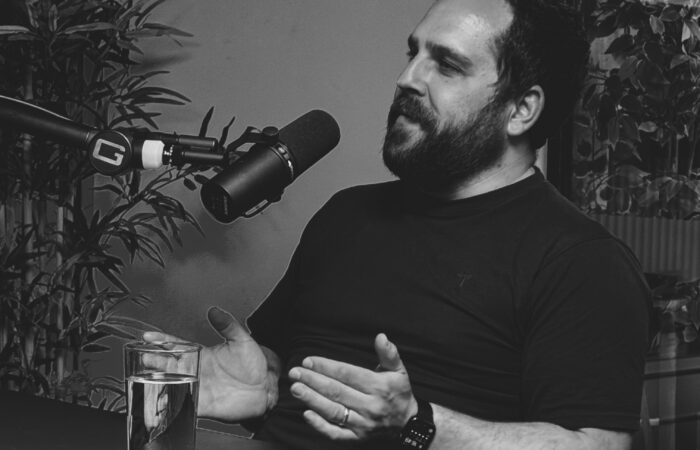
E15: Mikey Emery

Scaling to 120+ Staff, Investing in AI & Why A Decision is Better Than No Decision

Listen on Spotify

Podcast Overview

From a ski slope conversation to 120+ staff. That’s the journey of Impression, one of the UK’s fastest-growing performance marketing agencies.

Mikey Emery started in a server room with three co-founders and built an agency that’s broken through every glass ceiling—staying profitable, debt-free, and people-first the entire way.

Mikey Emery

Mikey Emery is the Commercial Director and co-owner of Impression, a performance marketing agency with offices in Nottingham, London, and Manchester. After joining the founders in 2014, Mikey has been instrumental in scaling the business from 4 people to over 120 staff while maintaining a relentless focus on automation, AI, and client-centric delivery.

This podcast episode is relevant to you if you’re navigating agency growth, struggling with team structure, or wondering how to invest in automation without losing the human touch.

Find out how Impression restructured from channel-based teams to client-centric pods, why they paused client billing during COVID (and grew 50% anyway), and what it really takes to launch into the US market as a UK agency. Mikey shares the honest truths about leadership evolution, making decisions even when you’re not sure, and why learning from pitch losses has driven more change than celebrating wins.

If you’re serious about scaling your agency while keeping culture intact, this episode is packed with real, usable lessons.

Topics Covered:

1:34 – How Mikey got into the agency world (and why his e-commerce business failed)
3:37 – From bedroom freelancers to first office in 2014
4:46 – Growing from 4 people to 120+ staff across three UK offices
6:22 – The step changes that pushed through growth glass ceilings
8:00 – Why moving into an office space was a pivotal moment
10:18 – Winning seven-figure accounts that changed the trajectory
12:24 – How servicing bigger clients is less operationally complex than you think
14:13 – Splitting time as Commercial Director across growth, marketing, and client services
15:54 – Using data and forecasting to stay 95% accurate on the next 4 months
18:55 – Leadership evolution: from impatient decision-maker to trusting the team
21:22 – Why “a decision is better than no decision” became his guiding principle
23:22 – The agency’s approach to AI and automation (it’s been core for 10 years)
26:32 – Launching their proprietary AI content production tool
29:19 – Investing in full-time developers and data scientists to build tech in-house
32:16 – The US expansion: why every state is its own country
34:24 – Going from UK-based clients marketing in the US to building a proper US presence
36:02 – Setting up offices in New York, Chicago, Atlanta, and Miami
40:14 – The biggest challenge: COVID and the decision to pause client billing
43:52 – Why they chose not to furlough staff and how it paid off
46:59 – The importance of having a war chest of cash reserves
47:58 – What’s on the roadmap: US growth, AI acceleration, and restructuring into pods
49:41 – Moving from 20+ people on accounts to lean, client-centric pod structures
52:40 – One piece of advice: Make a decision, even if it’s wrong
53:47 – Why failures drive more change than successes
54:26 – Book recommendation: The Good Company by Arthur Blank
Richard Hill [00:00:08]: Welcome to another episode of the Agency Intensive Podcast. I'm Richard Hill, your host. Today I'm talking with Mikey Emery, co owner and commercial director at Impression, one of the fastest growing agencies here in the UK that's been pushing the boundaries of automation, AI and client centric delivery. Mikey's been at the coal face of scaling teams, building technology into the business and rethinking how agencies show up for clients. From reworking account structures into pods to launching into new markets, we dig into the real practical senior leadership decisions, where to invest in tech and how to stop growth spawning inefficiently and why a decision is better than no decision has become one of his guiding principles. If you run or lead an agency and want honest use, usable lessons from someone who's scaled to 100 plus people while investing heavily in automation, then this one is for you. If you like this episode, please do me one favor, hit the subscriber follow button wherever you are. Listening so we never ever miss an episode together.

Richard Hill [00:01:06]: Now let's get into it. Well, hi Mikey, welcome to the Agency Intensive Podcast. How you doing?

Mikey Emery [00:01:13]: Hi, yeah, thank you very much for having me. Pleased to be here. My pleasure.

Richard Hill [00:01:16]: I'm very excited for this one. It's an agency that I've admired from afar for, for many, many years. So I'm really, really, really looking forward to getting stuck into having a good chat. But before we get into the life of growing an amazing agency, you know, how did you get into the space? How did you get into the agency world?

Mikey Emery [00:01:34]: No pressure on the, from the intro then. Yeah. So for me it kind of actually started back at university, so, and actually separate to, to Impression itself. I, alongside a couple of my housemates, an E commerce business, had absolutely no idea what we were doing but you know, saw various entrepreneurs scaling success and we thought, yeah, you know, we can do that quite easily, can't we? So yeah, kind of jumped into starting a sort of a gift buying business, went through our university, got some support in terms of setting that business up and effectively, I'd say we probably made every single mistake you can make. The business failed miserably. We, the one thing that sort of, we did well at that particular time was, was some content marketing and got a whole load of people to the site. But really that, that kind of pushed me towards meeting Tom and Aaron who at the time were freelancers working for a high growth energy company in Nottingham, but were kind of, you know, considering setting up on their own and starting this, this agency called Impression. Even though I was responsible for marketing I knew absolutely sod all about it.

Mikey Emery [00:02:51]: And it was actually sort of halfway down a ski slope with both those guys that I sort of said, can you come and help me? I don't know what I'm doing and I need to kind of grow this thing. And in exchange, you know, I'd had a business development background, I'd kind of always been in sales, you know, the typical sort of story that everyone always spiels on about selling whatever I can, whether it's sweets or club night tickets or whatever. And actually, you know, pretty early on it became fairly serendipitous that, you know, what they were setting up and what I was able to do for those guys was way more exciting, had a lot more scale to it and, you know, for one reason or another, we sunset the e comm business and I joined those guys on their journey.

Richard Hill [00:03:36]: And how long ago was that?

Mikey Emery [00:03:37]: So impression was set up in 2012 officially and I probably joined them at the beginning of 2014, but we took off first office residency in 2014 as well. So that's kind of where it went from the bedroom stage, so to speak, to the first office.

Richard Hill [00:03:52]: So two co founders, you joined them sort of 18 months plus after they'd sort of formed the company.

Mikey Emery [00:03:58]: Correct.

Richard Hill [00:03:59]: First sort of office space. Yeah, two or three or four people at that point.

Mikey Emery [00:04:03]: Yeah, yeah, four of us. This is where the other co owner comes into the picture. Liam on our performance director. Yeah, the fun thing about that, that whole side of things is I say we were in an office. We were actually in another agency's server room. Yeah, yeah, Four blokes. It stank most of the time. We had no windows.

Mikey Emery [00:04:24]: But what we were able to do was, you know, bring in some prospects and sort of front that. We had this lovely office space when actually it was, it was someone else's.

Richard Hill [00:04:32]: So that's sort of circa 11 years ago. 2014. Step, step to now to give the listeners a feel for the size of the business now. Be good to get a feel for, you know, four people. 2014 in a sweaty server room.

Mikey Emery [00:04:46]: Yeah.

Richard Hill [00:04:46]: And now multiple locations, ad count.

Mikey Emery [00:04:49]: Yeah, so we're. Oh, it's lovely reflecting back actually. Yeah, we're, we're. So we're now 100 and I think we're about 120 people. Yeah, you know, like working full time at the moment and we, we've probably got about 10, 5 to 10 ads, job ads out available at the moment. So yeah, we're, we're called 125, 130 people. We're head offices in Nottingham where you sort of 60, 70% of our. Of our team are.

Mikey Emery [00:05:15]: We've got big team in London, So there's about 25 or. Yeah down in London. And about 18 months ago we launched into Manchester which has been a huge success for us and they're sort of heading towards a team of 10 now, hopefully by, by the end of the year. So, yeah, really covering the full geography of the UK and then I guess we might talk about it a little bit later on. We're just in the phase of launching properly into. Into the us so well excited to.

Richard Hill [00:05:43]: Have a chat about that. So started in Nottingham, two people soon became four sort of directors, owners and then fast forward now we've got three core officers with 120, soon to be 125, 30 people. If you could sort of pinpoint one maybe step change because that's, that's some serious growth. I mean it's, it's very, very impressive. It's definitely. I was saying to you off camera before we, before we hit record, hit record, you know, probably seven or eight years ago, I was like, oh, Nottingham, we're not for, for the listeners. Nottingham's probably about an hour drive from where our offices are and our agency and there used to be, you know, a couple of agen in Nottingham and there still is. But impression I was sort of aware of there was like, oh, it's about 20 people work there.

Richard Hill [00:06:22]: And then I sort of looked a few years later, hang on, there's 60 people were there. And I looked a few years later, hang on, there's 90 people were there and so on and so on. So some serious growth I think over the latter years, maybe before that as well. But I'm really keen to understand, you know, how you've been able to really propel the business. Some serious growth levers there. I would imagine that you've, that you've been working on.

Mikey Emery [00:06:44]: It's, it's an interesting question and you obviously were kind enough to give me a bit of a steer before today on what we'd be covering. And considering that question, I started waffling in my own head about different things that I could potentially pinpoint to try to, to draw it down. But I, I guess most agencies will experience the, the several glass ceilings that you go through over the years. Like, you know, going from probably two to four people, going from four to 10, going from 10 to 25 and 50, etc. Like all of these things are kind of hurdles that you have to get over and I think I could quite easily talk in detail about lots of different things on all of those sort of glass ceiling points that helped us push through I guess to keep it specific, like drawing it right the way back to our early days. I do think something as simple as moving into an office space and kind of like really putting a seal of, of authenticity to, to the business. And actually kind of even though it was in a server room of another agency's office, what that kind of gave us was like we are a business, you know, it's not freelancers doing stuff in the sort of the spare time that we had anymore. And it was kind of like, no, we're giving this a good crack.

Mikey Emery [00:08:00]: I think that was, was a good stepping stone. We made another office move.

Richard Hill [00:08:05]: That is an interesting one, isn't it? Because I think a lot. Oh, we don't need an office nowadays. You know, obviously that back then, that was obviously way before COVID But a lot of agencies don't need an office for a remote. But obviously there's that argument even still now that an office gives you that more depends on the size of the business. But so you've got that home, you've got that credibility when brands are, you know, shortlisting looking at who to work with or who to just have that initial conversation with. Yeah, oh, they've got an office in xyz. Oh, there's so many people there in that office.

Mikey Emery [00:08:35]: Yeah.

Richard Hill [00:08:36]: Because a lot of people still, a lot of agencies don't have offices now. Yeah, yeah.

Mikey Emery [00:08:39]: Which is I, I do get it and there's, there's a great reason for being fully remote and it, you know, it provides a very different proposition to, to some brands. So I'd never sit here and be like, you know, you have to be, to be successful you have to have an office and you know, it's just a different strategy for us. You know, I probably will talk about it quite a lot. You know, we're a people first business and really to get the most out of people, you have to have a great culture. You have to have lots and lots of things that feed into that. And talked about first office being a big sort of stepping stone for us. Actually the second office was probably even bigger. We went from a shared server space basically into taking a sort of a 2,000 square foot converted warehouse office space which was entirely ours.

Mikey Emery [00:09:26]: We kind of built it all ourselves but it enabled us to go from sort of five people to, to 30 over, over a few years and that we always refer to that office in Stoney street as our, our spiritual home. Yeah, that's kind of where we bought it. Yeah, absolutely. It was, it was a lot of fun. It still is but you know, back, yeah, it was your kind of early 20s. It's work hard, play hard.

Richard Hill [00:09:46]: That's an interesting one, isn't it? Because you sort of, when it's a smaller business maybe is a bit more fun. It still can be fun but obviously then things start getting more serious. You've got 120 people now that rely on the management to semi, rely on the management to do xyz. I think as a, as a founder, co founder, shareholder. As their trajectory changes, the headcount changes, the responsibility changes, you maybe have a little bit less fun at times. You've obviously got to make sure that all the commercials are in play. That's very much your role, isn't it? Commercial director.

Mikey Emery [00:10:18]: I think we managed to go a good 10 years without turning down the fun, I think. But yeah, there's certainly the level of responsibility grew and yeah, the kind of focus on making sure that we were a great employer, great culture, great place to work has always been at the essence of what we do.

Richard Hill [00:10:33]: So office was one of the step, a step change. Anything else there? You can see over the last few years that going from half a dozen people to 130 and 11 years.

Mikey Emery [00:10:45]: I guess the reason I started with the office is because that facilitated I think us being able to bring in the right talent. And actually whether that's straight from universities that we were lucky enough to have around us or whether that that's where, you know, attract people from, from some of our competitors and that really enabled us to kind of level up what we were able to bring to sort of our clients. And I think the next big step change for us was, was winning those first sort of seven figure media spend accounts or six figure agency fee accounts quite early on. And you know, we went from first couple of years being a, you know, a regional player in the Midlands or Nottingham and then sort of the Midlands to suddenly being like, oh actually, you know, we're pitching and winning accounts from networks or from some of the more well, highly regarded performance agencies and that, you know, the Office then the people then winning those accounts gave us that momentum to be like, actually we're pretty darn good at this, like let's expand our strategy, let's go after the national brands rather than stay with a, with a local focus.

Richard Hill [00:11:51]: So we're investing in looking the part. And then there's a step change in, oh, we've Actually won this. Whatever. Let's say 100 grands worth of business, 10 grand a month. And then hang on a minute, obviously with the bigger fees we can do a lot more in terms of investing, hiring and so forth. And then hang on a minute, we're then winning more and more and more of these step changes because I think that's where maybe quite a lot of agencies struggle when it comes to billing and fees. You know, there may be a level where it's, you know, let's say, you know, a couple of grand a month, a couple of thousand dollars a month and they may be stuck at that. But what would you say to maybe agency owners that are listening in about sort of pushing for that step change like fee increases? Obviously you've got to have the value there.

Mikey Emery [00:12:34]: Yeah.

Richard Hill [00:12:35]: So as you probably touched on it around having the right people in the right seats, but being able to step from, you know, maybe charging a couple of grand a month to charging 20 grand a month. Yeah, that's quite a move, isn't it?

Mikey Emery [00:12:47]: Yeah. I think like the, the, the, I guess an interesting correlation for us has been, you know, maybe in our first few years when we were sort of sub a million or around a million in turnover, we probably had more accounts than we do now, which is ironic. We're sort of more than 10 times that size. And really we learned early on that servicing those bigger accounts wasn't as daunting, as scary actually as you initially think. But the kind of operational element to serving that size of account affords the business loads of extra headspace and capacity. You know, we didn't have to have. Tom, you know, hilariously was, was probably up until about five years ago, Tom, one of the co founders, was still running all of the invoicing for, you know, at the time, probably 100 odd accounts and the headspace that goes into actually just back office running those is, is, is pretty massive. Whereas if you can be focused on winning bigger, higher value, more complex accounts, the, the, yeah, the correlation of servicing those is not.

Richard Hill [00:13:50]: Yes.

Mikey Emery [00:13:50]: To the same degree as you'd first imagine.

Richard Hill [00:13:53]: Yeah. So things become a lot more profitable for sure. Yeah. Well, thanks for sharing that. Now I'm personally very interested in sort of your sort of split, you know, as the commercial director of a, you know, a very large agency, shall we say, you know, how do you split your time sort of across the commercial side of the business?

Mikey Emery [00:14:13]: Yeah, I mean I'd love to be able to sit here and say, you know, I'm strategic and it's 33 3.3% across, you know, growth, marketing and client services. And that would be fantastic. And I'd also love to be able to say, you know, as, as a, as a leader of the business, you know, I'm, I'm thinking three years ahead and I'm not in the day to day, but anyone who sits there probably talking a load of waffle for me, I'm. And as an organization, we've always been like really, really, really focused on, on data and insights of, of the company's performance. Like got some very, very smart people in the organization. Other sort of. All three other shareholders are incredibly numbers driven. So we're fortunate enough to have a fantastic level of foresight and forecast for the agency.

Mikey Emery [00:15:05]: So I can sit here and pretty much to a 95 to 98% level of accuracy, know what our business is going to do over the next four months, which is, you know, hugely beneficial. I can, I can see if our pipeline is not at the level we need it to, I can see if our conversion rate or weighted conversion rate is the starting to dip and I can see if, you know, account churn is looking a little bit more risky. I guess with that level of insight enables me to stay somewhat flexible with where I invest my time and work out what levers that I can influence. I'd love to say that it's me that's pulling all the levers, but ultimately I've got an amazing team around me that I essentially work with to kind of bring all of the different things to fruition. So the real answer is that it flexes from month to month depending on what the outlook is looking.

Richard Hill [00:15:54]: If the data's showing maybe actually in two or three months you could have a challenge here. Then you'll lean into marketing people hiring, depending. Oh actually if we win that, this and that or this, that and the other, we're going to have a capacity issue. So there we need to hire. So we'll get in front of that now. But if we churn that, because I heard that actually there's some challenges over here because we've got the data, maybe the, you know, the account managers are reporting on the sort of general vibe of the clients. Any challenges there that. Oh actually if we lost that half million account over there and we lost that, that's going to cause a challenge there.

Richard Hill [00:16:29]: But then if we didn't. So it's a bit of a, bit of a balance. Isn't there always? It can be almost in a blink of an eye. Oh my gosh, we're so Busy or. Oh my gosh. We've got a bit of capacity.

Mikey Emery [00:16:37]: Yeah.

Richard Hill [00:16:37]: But ultimately using the data, you've got very strong data. So you use sort of dashboards, that type of.

Mikey Emery [00:16:44]: Yeah, I mean we, you know, we do invest in obviously enterprise level hubspots. That kind of affords us some, some, some great pipeline insight. We've built our own ERP enterprise resourcing platform from, from the ground up. So that kind of houses all of our contracts and resourcing data. So we, you know, we work on longer term contracts so we do have good visibility of what's kind of secured. But yeah, then, then sort of separate to that, we layer on dashboards on top of that and yeah, it's, it's about kind of leaning into the areas, I guess. Admittedly I'm a salesperson at heart.

Richard Hill [00:17:21]: Is that the bit you enjoy the most?

Mikey Emery [00:17:23]: I'd say that's my background. Yeah, I enjoy all of it in order. I'm probably a salesperson at heart then. I've kind of been forced into, into being sort of the client leadership side of things. And ironically I'm weakest at the marketing. But what I do have around me is just an amazing team. Really, really kind of proactive. Yeah.

Mikey Emery [00:17:44]: Incredibly smart and able to lean into things they need to. So for instance, Polly, our head of marketing, will quite happily give me an elbow in the ribs and be like, hey, you need to come over here and we need to come and look at some of this stuff together. And I'm like, okay, great, yeah, I'll shift my focus here and there.

Richard Hill [00:17:58]: Yeah, yeah.

Mikey Emery [00:17:59]: So I'd like to sound like I'm, you know, really productive and putting all my time into the right places. But yeah, you know, the team around me, I help me focus.

Richard Hill [00:18:06]: I met a few of your team. We were talking before and obviously, yeah, some of the guys I've met, there's very smart people. You, you've got it surrounded by. Yeah, yeah, fantastic. Okay, so I think you maybe touched on it a little bit, but taking a, you know, literally leaving uni, selling a few things online and then joining, joining a couple of co founders, you know, and then bang, we're here. You know, that, that sort of change in leadership styles, you know, have you seen that? Because I think it's quite an interesting one, you know, very interesting one. I think a lot of people, you know, they sort of fall into agency. I did, you know, it's like, oh, what's all this stuff you're selling online? Oh, it's SEO.

Richard Hill [00:18:43]: Next thing I Know, I've got one client and then all of a sudden I'm sat here and we've got, you know, XYZ clients. But you know, how you behaved and sort of were as an individual. Obviously you're for one year a good ten years younger back then. So you don't know what you don't know and you haven't learned this down either. But I think can you sort of step us through any sort of leadership changes you've gone through over the last maybe 10 years?

Mikey Emery [00:19:06]: It would be very funny if you, if you had interview my team around me as well because hopefully they'd agree but they might tell you the complete opposite, which would be funny. I think one thing I genuinely have really tried to, to be more so in recent years is, is really self aware. So I've tried to understand like what my, what my strengths are but most importantly what my, what my weaknesses are, what my flaws are of which there are many, many, many. But with, with, I guess with that, you know, I, I can, I can recognize that I'm an incredibly impatient person. Right. I like that can be a positive sometimes, but obviously it does come with quite a lot of negatives as I'm sure people will validate if you were to speak to them. Obviously the positives being, you know, I do like to get shit done. I can kind of force through things and we can, we can kind of make some progress pretty quickly.

Mikey Emery [00:19:57]: But the negative of that is for sure limiting people to actually reach their own potential. Limiting people to kind of cast their own ideas on stuff or to come up with their own solutions and helping people develop in that aspect. So that's something that you know, I've had feedback on, I try to work on, I try to keep on the back of my mind at all times.

Richard Hill [00:20:19]: Yeah.

Mikey Emery [00:20:19]: So from, from a leadership perspective, you know, I now proactively try to make sure that I do always include more people than I think is necessary into, into projects or into decisions. I also try to not make decisions as much as I'm a lot more.

Richard Hill [00:20:34]: Open to other people's opinion, take a breath, have a listen, take and generally take it on board. Whereas maybe back in the day you're like, right, this is how it's going to be a little bit more. Or this is right, very strong minded, single opinion.

Mikey Emery [00:20:46]: Yeah.

Richard Hill [00:20:46]: But now obviously it's not half a dozen of you. There's some very, very smart people that if it's a decision around, you know, some data piece, there's a lot probably smarter people in the Business that.

Mikey Emery [00:20:56]: No data.

Richard Hill [00:20:57]: There's a lot and so forth.

Mikey Emery [00:20:58]: Yeah, most people are smarter in the business. Yeah.

Richard Hill [00:21:02]: And, and she's just been getting away with 10 years.

Mikey Emery [00:21:06]: I've ousted myself on this podcast. I know which is, which is funny. But. Yeah. And like the thing that I tried to really focus on at the moment is, is, you know, let people make the decision. Even if I don't agree with it or if I'm concerned about it. It's. It's good to fail or it's like a decision is better than no decision.

Mikey Emery [00:21:22]: And people learn a lot from, from kind of making the decision themselves. So that's something I think that's like really important for me at the moment as a leader. Like I can't be on everything no matter how much I try.

Richard Hill [00:21:34]: So it's trust in those people. But obviously that, that builds over time. Obviously your part. So are you involved with quite a lot of the hiring still? The senior hiring?

Mikey Emery [00:21:42]: Yeah, we, we've got, I mean the business is split into four. So obviously commercial is a, is a, an org unit is a unit and then we've kind of got ops and technology.

Richard Hill [00:21:54]: Yeah.

Mikey Emery [00:21:54]: You know, I'll be heavily involved in anything that's related to commercial and then I'll, I'll kind of be a consultant type role on, on anything that's senior within, that's not kind of directly within one of those, those org units. But again, it falls back into this level of trust. It's, you know, you can't be on everything. If you, if you are, you basically just limit your capacity to do anything.

Richard Hill [00:22:18]: I think that's, you know, you hit the nail on the head there. I think that's what I've seen, you know, with majority of leaders that I've interviewed. You know, you've got to let go. You've got to obviously have the right people in the right states. That takes time. You know, obviously you've got a few war wounds maybe in some of the hiring, maybe over the years. But ultimately if you want to get past a certain area, there's only so much one individual can do, you know, and you're probably, you know, 8, 10, 12 people. You're then stuck maybe later.

Richard Hill [00:22:42]: Depends on the business. But you know, to then go to the, you know, 2, 3, 4 million quid plus type business is very, very, very impossible to do, I think, you know.

Mikey Emery [00:22:52]: Yeah, yeah, yeah. The awareness that other people's decisions could well be better than yours. Yeah, yeah.

Richard Hill [00:22:58]: Well, thank you for sharing that. Now you touched that slight change of Direction. Now you touched on the different areas in the business. Now I want to, I don't think we can do any podcast at the moment without talking about the word AI. You know, an agency's an AI. You know, we're running a, a competition internally at the moment called the AI games where we've test our four departments. Funnily enough, we got four departments, slightly different to your departments, but four departments. And we tasked them 10 weeks ago to go away and build, build various agents or you know, I won't give too much away but you know, to build in their departments.

Richard Hill [00:23:34]: And tomorrow we're actually having a full all agency meetup tomorrow for half a day and then the teams, their captains are presenting their ideas. And I'm really interested to know what you guys are doing in AI, you know, internally for your clients. You know what, what you can share your stance on it.

Mikey Emery [00:23:52]: Cool. Let me, let me preface this with a running internal joker impression which is I am probably the least technical person at impression, you know, which I'm happy to hold my hands up to. So I won't sit here in good company. Yeah, I won't sit here all preaching about, you know, the death of marketing, the death of agencies because of AI. But you know, it, it is an impactful thing. It is, it is definitely changing the way that agencies work. I think again, fortunately for us as an organization, we've always been acutely aware that what we do and what clients pay for now is going to be different in a year's time. And that's always been the mentality of the agency.

Mikey Emery [00:24:35]: So you know, we, there's, there's cautious optimism, there's, there's obviously we understand that there's a huge opportunity for, for agencies who leverage it and who kind of integrate it. Well, there is a lot of fear mongering, scaremongering going on across the industry. That, that is, you know, hard to, to block out. Obviously we're just making sure we're not knee jerk reaction and, and kind of redirecting investments into the wrong places. But because of that core strategy, that core principle of like what we do today is going to be different to next year. Automation, technology and now kind of AI has always been something that we've focused on. We know that even sort of 10 years ago, five years ago, whatever you want to say, we know that the work that we were doing then a year later could be automated.

Richard Hill [00:25:26]: That's just your constant attitude or constant take stance as a business. We're always evolving the way we do things yeah. More and more is using tech automation and then we've got the buzz of AI, but it's always been there. It's just maybe at a different, different label. Yeah.

Mikey Emery [00:25:43]: We see it as basically expediting the. The same process that we're on. So, yeah, you know, whether that's, you know, recently we've launched, I want to say recently, sort of over a year ago, we launched op, which is our kind of like, content production AI tool. Like for us, it's, you know, five years ago you'd have a team writing pages and pages of content that obviously would serve ranking, benefits, etc. Whereas now, you know, we can leverage some technology there, or AI to kind of automate that process. Now, is that going to entirely replace the need for someone to QA that work, make sure it's aligned to the overall strategy? No. And I guess Liam, our performance director, uses an amazing analogy. He always says, like, like the world of agencies isn't.

Mikey Emery [00:26:28]: Isn't disappearing. Just the battleground that we're playing on is, is. Is evolving.

Richard Hill [00:26:32]: Yeah.

Mikey Emery [00:26:32]: And so really what we're focused on is automate absolutely everything that we possibly can. If, if some, if. If a tool or a proprietary script or a proprietary bit of technology or an available technology off the, off the shelf can do something that a human can do that.

Richard Hill [00:26:48]: Yeah.

Mikey Emery [00:26:48]: Because really our value proposition to our clients is like, we're smart people who solve problems and problems are always going to exist. Yeah.

Richard Hill [00:26:57]: That's a brilliant summary there. If you could maybe share, if possible, one sort of insight into a specific use of AI that you're using maybe for either to run the agency or to help clients, if you've got one. I know you're not directly on the AI tools potentially as such, but maybe something that an agency owner listening in might get a bit of. Oh, I mean, that's very useful. I could have a think about how we could do something similar in our agency.

Mikey Emery [00:27:22]: Yeah. Cool. So probably what one that's been worked on and kind of been rolled out is our Alexis platform that essentially is helping us automate kind of a lot of the qualification work, bid management work that's kind of going on behind paid media accounts. Like a lot of that, you know, was a manual process originally and that's kind of been automated. There are platforms that do something similar, but what we're developing is that plus an alert system, plus, you know, a whole lot of other stuff that'll be kind of coming on top of it.

Richard Hill [00:27:57]: Brilliant. Thanks for that. I think it's intriguing to Hear what other agencies are doing. You know, we've obviously spoke to quite a few recently and some are doing a lot, some are doing not a lot, which is quite a very interesting, you know, I think having that mindset as you said right at the beginning of, you know, we're always thinking, right, well in a year's time what we do now will not be sufficient or is, you know, that's going to be obsolete potentially something's going to supersede that. So what are we going to do? So you are. You have a team in the business or certain people that are just always developing tools internally then?

Mikey Emery [00:28:30]: Yeah, yeah, exactly that. So, yeah, the kind of the technology organization headed up by Aaron, co founder again, one of the smartest people I know, thankfully. I'm glad he works with us.

Richard Hill [00:28:41]: So smart than Liam then.

Mikey Emery [00:28:45]: Smart in a different way. We'll edit that bit out. Yeah, no, not at all. I mean they won't mind me saying it at all but I mean Aaron's a, you know, he's a developer by trade. Ironically Liam's background is in music but he just happened to be an amazing performance marketer. Yeah. But because of Aaron's background, you know, we've got a constant, you know, leadership level voice talking about how we can leverage stuff, how we can kind of better adopt stuff and what kind of like the future, the future of our proposition can do. So yeah, we took a decision early on, maybe sort of four or five years ago to restructure the business with technology as an organizational unit.

Mikey Emery [00:29:19]: And that kind of comes with a decent chunk of investment both in terms of capital we put into it, but also the team that we've got around us. We've got I think two full time developers, we got data scientists now there's a whole sort of employee overhead alongside the budget that we put into developing tech.

Richard Hill [00:29:39]: I love it, I find it. I'm very interested in that specific area myself. Thinking about our. I've just selfishly for our agency, you know, where to invest and I think some of the ground we've been able to cover this last six months and developing various agents, tools, et cetera, it's sort of, that's the. When we get asked as an agency, I know what keeps us up at night. That's the thing for me it's like, well if we did this and that and that, oh God, I didn't know this new thing and did I? And it's, it's very exciting, I find.

Mikey Emery [00:30:08]: I guess it's why the agency side of things is is quite difficult. Right. Because that's, I mean this is one facet of making a successful agency. Right. But is there's employee, that culture, there's the operational side of the business, there's new business, there's, there's, there's so much that you can invest in. So I think what we, one thing we're constantly evaluating is like what is a good and proportionate amount of, of investment to put into that side of things to make sure it serves the, the kind of like the three to.

Richard Hill [00:30:35]: Five year plan but as that up considerably. If we were sitting here three years ago when probably nobody knew the name GPT.

Mikey Emery [00:30:42]: Yeah.

Richard Hill [00:30:43]: And the various other LLM models which were probably not, you know, I think three years ago. Is it like three, four times the.

Mikey Emery [00:30:49]: Investment now for maybe we, what we've, we've got a really good level of constructive conflict that happens at the leadership level. Right. So it's, it's, it's again it's a blessing. I curse but the, the blessing is that any investment that we made, we're all accountable to kind of prove the value of that. So you know, in commercial, if I want to over invest in marketing or in both, I've got to come to that board level conversation and be like, here's what's, here's what it's going to do and I'm going to hang my hat on it and then in six to 12 months I'm ever going to tell you it's worked or it's not worked and thankfully we have that same approach adoption with our technology as well. So yeah, Aaron will come to those meetings and he'll be like, here's what we've invested, here's the adoption, here's the value it's added. Has it worked? Yes. No.

Mikey Emery [00:31:34]: Right, what are we going to do next year? Is it going to be more, is it going to be less? Is it going to be something slightly different? So yeah, the key thing there is accountability for sure and then measuring against it.

Richard Hill [00:31:43]: Great, great. So we're going to go over to the US or we're going to try to go over to the US I think seems to be quite a talking point amongst quite a lot of agencies. I've been speaking to something and we talk about quite a lot in our agency. We've won quite a bit of business in the last 12 months in the US and it's something we want to explore but I know that's something that you guys are sort of on with at the moment. So I'm really Keen for to sort of understand sort of how you've been sort of tackling that as a project within the agency.

Mikey Emery [00:32:16]: Yeah.

Richard Hill [00:32:16]: How does it differ from the uk?

Mikey Emery [00:32:18]: You can probably, if you had met me last year, you would have seen my hairline is a lot further forward than it, than it is now. Yeah. Hey, the US is a massive opportunity. We probably like a lot of agencies, when we first started talking about it, saw, you know, this, this huge country that we can go in and take what we're doing here and just win, you know, easily and kind of, you know, triple, quadruple the size of the business just in, in the US alone. But it, you know, it's certainly not that. It, it is fantastic. There is loads of opportunity and we are on the journey, but it's not been without its, its challenges. And again, going back to the accountability thing, you know, I do need to sit there on the board level and be like, hey, we're not quite where we, where we want to be.

Mikey Emery [00:33:02]: But what we do have is, you know, we restructured the organization in terms of, you know, got a holding CO now and we've got a UK business and a US business. So we, we've not half asked it. Yeah, I think that has, that has really helped us. The original strategy was, you know, it was a bit of a push and pull factor. We had a couple of enterprise level clients that were marketing in the U.S.

Richard Hill [00:33:26]: And so UK based, but they do.

Mikey Emery [00:33:29]: Have a U.S. yeah, so, so yeah, kind of operating across Europe and we were managing their US budget as well and, and kind of what was cropping up in their heads were, well, are you right to be managing the US budget? Or, you know, would, would a domestic or a US domestic agency be able to do a better job because of the cultural differences. And one of the big learnings is that every state in the US is, is its own country, has its own culture and you, you can't take what you' and just drag and drop it into, into any of the states in the us. So it's kind of this push factor from, from our clients and the, the pull factor was obviously the, just the sheer size of the market, the size of the budgets that companies are spending over there is just orders of magnitude and the operating model and the commercial models are not that different. So there was kind of those, those two sides of things. So we launched using the push factors. So we kind of took our, our clients that are operating over there and built some case studies and stuff off the back of that.

Richard Hill [00:34:30]: So you, so you so that those clients were in a certain niche. You then went after more clients in that niche because you got the case studies in that niche or.

Mikey Emery [00:34:36]: Correct. Yeah. And I think one of the big things we did very early on, even before we kind of did the back office setup, is, you know, we globalized our domain. So we went from kind of impression.co.uk to impressiondigital.com obviously it's slightly longer, but just positioning ourselves with a more global domain and stuff like that really helped. We've obviously invest massively in our own SEO and we were able to invest in that. So our visibility for inbound opportunities started going up, which has been fantastic. What we were finding though is that we were getting invited to some really good quality pitches and we were, I'm sure every agency will say we were coming second. There's probably this, this, you know, ongoing thing that every client will always tell every agency that hasn't won that close second.

Mikey Emery [00:35:24]: Yeah. And really the feedback we were getting is, you know, well, we liked you guys, you've got a great proposition but you know, these guys are on our doorstep door. They're working in this market and you know, it just, it felt like too much of a risk to, to kind of go with a, with a UK agency that was very specifically for US businesses marketing in the US So that's kind of where the driving factor of coming of. Okay, well let's set up a proper US business.

Richard Hill [00:35:50]: Build part of our ye plan on the ground potentially.

Mikey Emery [00:35:53]: Yeah, exactly. And part of our plans now is, you know, build a team over there and actually start having a, a client service sales hub.

Richard Hill [00:35:59]: So you put, you've picked a city or a state that you're going to be.

Mikey Emery [00:36:02]: No, we're pretty greedy at the moment. So we've gone for, you know, we've got the, the typical sort of vanity office in, in New York at the moment, but we're actually looking at Chicago, Atlanta, Miami to, to kind of properly build the hub around. Yeah, a lot of our work at the moment is around, you know, research and how we actually will look to.

Richard Hill [00:36:22]: Get an office in one of those locations.

Mikey Emery [00:36:24]: Correct.

Richard Hill [00:36:24]: Hire an initial 1, 2, 3 out there and then scale based on how things go.

Mikey Emery [00:36:30]: Yeah, exactly that.

Richard Hill [00:36:31]: Yeah, yeah, yeah, that is, that is amazing. Very, very intrigued about how that goes. Be really keen to maybe get you back on in a year or so.

Mikey Emery [00:36:37]: And I've even less thought about that.

Richard Hill [00:36:39]: So we've. So we've got clients in the uk, well the UK based that are selling into Europe and the US and from that US opportunity, you feel actually this is, you know, a big part of their businesses, us. We're doing really well for them. You know, their US maybe staff are impressive. What we're doing actually, you know, big opportunity. We've built case studies, collateral around that, work in that niche. And then, so then did you approach the businesses in that niche like directly and say, hey, we're working with. Well, maybe not quite like that, but you, hey, we're, we go, we work in fashion.

Richard Hill [00:37:14]: How did you get some of those initial maybe meetings, conversations with those other brands that became your sort of client number? 2, 3, 4.

Mikey Emery [00:37:21]: I'd say that's probably where we are at the moment. Yeah, yeah. And yeah, I wouldn't want to kind of like, yes, say that we're doing, we're doing huge amounts in the US at the moment. We're still very much early on on in the journey. We do have a lot of brands that we are marketing in the U.S. so there's some revenue we attribute over to it. But in terms of, of that. But I guess the big thing that we do at the moment is we obviously invest quite a lot into our own marketing and a big part of our US strategy is essentially, rather than duplicating or over investing more into what we're doing, we're basically globalizing our kind of like our content marketing, our events strategy, our webinar strategy.

Mikey Emery [00:37:58]: So that actually rather than just focusing on domestic and European markets, the stuff that we're already producing is relevant to our ICPs in the US so really the investment comes into the outreach that kind of goes into actually pushing that sort of content and lens etc to, to those ICPs in the U.S. yeah.

Richard Hill [00:38:21]: I'm very intrigued to see where that goes. It's very exciting, very exciting. And are you doing events in the US as well? Speaking. I know you've got some tremendous speakers in the team.

Mikey Emery [00:38:29]: Yeah, absolutely, yeah. So yeah, Liam again, amazing, amazing speaker. If anyone gets a chance to see him, super charismatic. He'll be over in the US quite a lot. But towards the end of the year he's a kind of hero comp and Brighton SEO. Yeah, I think we're a few trade specific type marketing events too. So yeah, a lot of, a lot of it is, is just kind of building the visibility in the US the kind of, the key there is credibility. It's like, you know, you can go in with an amazing proposition but if no one's heard of you or you haven't got the kind of like the evidence to Back up what you can do.

Mikey Emery [00:39:06]: Yeah, it's, it's a very, very hard, it's a very hard win.

Richard Hill [00:39:11]: So yeah, probably a slow slog to get going but then potentially the rewards from my understanding can be, you know, quite, quite interesting.

Mikey Emery [00:39:21]: Yeah, next year will be bnairs.

Richard Hill [00:39:24]: Let's get you back on Rodney in about Twelve Oaks. Yeah, no, thank you. I really appreciate you sharing that. It's from a little semi selfish perspective as well because it's something we're really interested in but we're definitely a few years behind you guys in terms of what, what our plans are with that. But you know, maybe we can compare.

Mikey Emery [00:39:41]: Notes in a year or so more than happy.

Richard Hill [00:39:43]: So obviously you've shared some, you know, amazing things, some very, very good times, you know, this trajectory. But I'm sure along the way it hasn't always been just, you know, just you know, four amazing co founders and, and, and, and shareholders just having an amazing day every day and just pure growth and smiles every day. I'm sure a lot of the way there's been a few challenges, you know, what would you say has been, you know, maybe one or two of the biggest challenges you've had over the last few years and how you overcame them.

Mikey Emery [00:40:14]: Yeah, that's like again, where do we start? There's so many, there's so many talk through. You know, the P L looks great over 10 years. The war wounds and the, yeah, the cuts and bruises market as a company.

Richard Hill [00:40:27]: Like the last six months.

Mikey Emery [00:40:28]: Yeah, I think the, what you know, one that really does spring to mind is, is you know, the strategy that we deployed around the sort of the dreaded Covid period. It was obviously super scary time for a lot of businesses. Very, very scary for you know, employees and what was going on, you know, obviously just purely looking at it from a business perspective, not the horribleness that went on with, with you know, everything else in terms of health and what happened, but purely from the lens of impression. And we've always been profitable. We've always been, you know, debt free, self funded etc and when, when Covid came around and after the initial panic we kind of four or five of us got together and we're like, what are we going to do here? Okay. You know, Rishi spoke about the furlough scheme that came out and we were kind of like, okay, let's, we've got. First thing we did was gone on the phone to every, every single client. We're like how does this impact you? What's going on in your business? Hey, Just to let you know, we're here, we're a partner, we're going to work with you guys through this, whatever that looks like, but just give us a sense check of where you guys are in terms of your own performance.

Mikey Emery [00:41:40]: The next thing we did is looked internally and kind of went well. Okay. Based on the accounts that we think are going to hit turmoil versus the ones we think are going to survive and do okay, we have the opportunity to either make the most of the furlough scheme and kind of scale our business, or actually the strategy we ended up going for was, let's not do that. You know, if we make anyone furlough, what we're really signaling to them is that they're probably not as high a priority as the people who are not making furlough. So from a cultural or certainly the view at the time, and again, I do not, do not judge anyone for using that schema. It was absolutely fantastic and it was amazing. But for us, as a people first business, we will about culture. We had a war chest of savings.

Mikey Emery [00:42:27]: You know, we weren't kind of, we weren't kind of concerned about the immediate future. And so for us, we kind of took that strategy of, well, let's, let's keep everyone on board. Let's go back to all of our clients and say, hey, if you're struggling, we won't invoice you. Do you know what? We won't invoice you. But marketing principle 101 is if you stop marketing, the latency effect that you're going to see is going to impact you way beyond this month, next month, and the month after. So we'll carry on. Don't worry about invoicing us, but what we would really like to just agree is the moment that you feel comfortable, we do switch back on the invoicing and you kind of. Because we're not going to follow our team, we're going to keep them busy and keep everyone working.

Mikey Emery [00:43:07]: Clients were absolutely fantastic. Obviously, we, you know, we did lose a couple through that process, but what we found is within six to eight weeks, 90% of the ones that asked that work that kind of wanted us to pause. Billy Kane came back on board and at the same time, the culture of the agency was absolutely buzzing and fantastic. Despite this kind of thing that was going on, everyone felt a real sense of community and willingness to push forward. And we ended up kind of going into, ended up going into 2020, about 50 staff, and coming out of it a year later, about 80. And not only do we Retain and kind of bring on those clients. Nearly all of them suddenly saw this big growth spurt that happened as a result of lockdown and then our pitch win conversion rate just went through the roof as well. So that was a super proud moment.

Richard Hill [00:43:52]: As an agency, that's quite a move to make. So you offered to pause billing. So you offered it before they asked for it.

Mikey Emery [00:43:59]: Correct.

Richard Hill [00:43:59]: But that was all across all clients or it was sort of. Obviously you had a. Probably a bucket that were in maybe industries that might be unknown, some are flying where it's still in toilet roll.

Mikey Emery [00:44:09]: Or whatever it may be.

Richard Hill [00:44:10]: Yeah, there's industries. What did you do? Sort of more of a blanket approach. There's this option on the table.

Mikey Emery [00:44:15]: We now, I mean obviously we had, you know, data coming through our eyes through in terms of being able to see what performance or how clients were performing. We could use a reasonable amount of foresight at the time to know who was going to be impacted the most and who wasn't. As a result, so many lockdown. So I'd probably say 50% of our clients were probably fearful that they were going to be negatively impact and 50% were like big enough to say, yeah, look, we're going to ride the wave. We're not, we're not at that point yet, but let's keep the conversation open. So we focused on that top, that top 50. And as I say of those ones, the ones that paused came back on pretty, pretty sharp.

Richard Hill [00:44:51]: Yeah, I like that a lot. I think that obviously going back to what you said about you, you were fortunate enough to have been able to build a war chest cash in the bank. So X amount of months, I think that's something we talk about quite a lot on the podcast and I think just to sort of really stress that point, you know, as an agency, agency owner, management team, you know, having those X amount of months for when things like that do happen, this uncertainty or you lose that big client or some, God forbid, another, you know, big, you know, national international incident or problem that creates, you know, a bit of a turmoil in an industry or obviously in a very large way. But having that cash flow, you know, is, or having that cash at bank is a, you know, it's a huge sort of enabler to be able to do what you did there. Yeah. So without that it might have been a lot more difficult decision when you've got at that point maybe 60, 70 people to pay and so forth and.

Mikey Emery [00:45:45]: Yeah, yeah. And I think even what we kind of worked out is with, with 50% of the clients that would stay on board, you know, we, we could operate.

Richard Hill [00:45:53]: Yeah.

Mikey Emery [00:45:53]: Without taking a loss anyway. So even though we had the war chest, it wasn't like we were eating into I think the worst cases. We went down to zero ebitda, something like that, or maybe it was like. But we were, we weren't eating into that even at the worst time. And I obviously afford. That was amazing position to be in.

Richard Hill [00:46:10]: I think that's the thing, isn't it? When, when you look at those numbers, let's say, I don't know, let's pick a number from thin air. You're doing your EBITDA in 50 grand a month, you know, and you're clearing 50k EBITDA a month to lose 50 grands worth of business a month. That depends on the business. I know, but it's quite, it's quite unlikely. But it does happen. We've talked about this, you know as well, but obviously if you're just losing four or five grand here, four or five grand there, it takes a lot to lose 50k. But if you've got, let's say, you know, half a million quid in the bank, you know, and you're losing five, ten grand a month, it's not that bad, is it? A bit of silly numbers really but ultimately, you know, if you're losing 5, 10, 20, 30 grand a month, but you've got, got 10, 12 months worth of cash in the bank. Yeah, you can weather quite a lot.

Richard Hill [00:46:59]: And that's in extreme circumstances usually, isn't it?

Mikey Emery [00:47:02]: I think, I think the, the kind of, the new business element plays a big key part in it as well. It's kind of like, you know, the age old saying it, it's way harder to pitch and win work than it is to maintain and, and grow the kind of work that you've got. And I think, yeah, that was the, the kind of, the core part of that particular strategy. It's like if we lose these clients owing to, you know, throwing the contract at them or, or just kind of being inflexible, the chances are that they would go and it's kind of like, well actually a couple of months of short term financial pain.

Richard Hill [00:47:33]: Yeah.

Mikey Emery [00:47:34]: Probably means that we, we should come out the other end and retain and it works. But yeah, it was great.

Richard Hill [00:47:39]: Yeah, no, thank you. I really appreciate you sharing that. So I'm really intrigued to know what is on the roadmap for you guys. You know, anything you can share. Obviously you've touched on, you know, that investment in the AI side You know, the culture is a big part of the business. The US pie. Is there anything else you could add in terms of what's on the roadmap for impression in the coming 12 months?

Mikey Emery [00:47:58]: To be fair, we've covered the US spell is a big part. We've got a US general manager joining us in a month's time which is super exciting. That's finally going to. It's got full time headspace to really go out and grow rather than it being sat across multiple different people. Obviously with that there's a whole load of ramp up in kind of what we're doing. So that's very exciting. I mentioned it around the AI side of Stu, you know, whilst the core focus for us has always been on automation and stuff, now we are in the position where, you know, we've obviously got to speed that up. And so, you know, there is fairly sizable projects going on to kind of lift the load that we're kind of doing so we can redeploy our talent onto more of the problem solving stuff.

Mikey Emery [00:48:45]: And then the biggest project that actually we've got going on at the moment is a. I use the word organizational restructure but it's probably not as drastic or as, as big as that. Again, boiling, sort of dialing back into that idea of glass ceilings. We, we probably have hit another one or hit another one towards the end of last year where we, where we kind of got to a certain size and really how we were showing up for our clients, you know, we, we've kind of had every channel, every department and every level turning up onto accounts. In some of our instances we were having, I don't know, something like 20 or so people on, on an account team which just is super inefficient. You know the, the, the number of variabilities of, of how account teams could be made up. We worked out was something like in the hundreds of thousands which was bonkers. So at the moment we're moving to a much more client centric pod structure.

Richard Hill [00:49:41]: Yeah.

Mikey Emery [00:49:41]: So we're splitting basically the company into, into two two P Ls. We've just recruited two managing partners which are new roles for us coming in. Both amazing pedigree come from some of the best agencies in, in the world. Super experience. They're going to kind of really front the client leadership side of that side of stuff. And then you know, the project roadmap from there is really about how we then start moving into that structure, how we start showing up to make sure that our clients get the very Best of our talent without duplicating either roles on accounts or kind of like. Yeah, seeing inefficiencies. Because I think ultimately we can still do our best work with much smaller teams.

Richard Hill [00:50:19]: So maybe got a bit out of control or just adding, adding more people. Hang on a minute. Restructure. Right, people.

Mikey Emery [00:50:26]: I think, yeah, the, the, the. Well, I think I speak on behalf of a lot of agencies, but the, the, the traditional growth model is, you know, you have a head of channel and you build a channel team and sometimes those channels feed up into a division. So you might have ppc, paid search and then paid social and programmatic all into your paid media. And actually by layering in lots and lots and lots of channels, that this is kind of where you end up getting to a point where, you know, each channel will be targeted on growing their own sort of revenue and their own profitability. And as a result of that, the challenge that we've seen is that rather than doing what's right for the client, obviously people are more incentivized to keep revenue into, into their teams, not maliciously. Yeah, yeah, but it's just, you know, we, we as leaders set, you know, heads of departments and directors, revenue targets and, and GP targets. And so obviously when a client is, is when we're not using that resource or whether there's an opportunity to do something better for client, it's. There's less motivation to actually redeploy that into different areas.

Mikey Emery [00:51:28]: So this move to pods means that we'll break down those barriers.

Richard Hill [00:51:32]: The pods got all the departments underneath them, in fact. Yeah, yeah, and I learned that a lot.

Mikey Emery [00:51:37]: Yeah, we really start separating out like craft is, is a big focus area. So heads of departments, really a kind.

Richard Hill [00:51:44]: Of sort of platform craft.

Mikey Emery [00:51:46]: No, sorry, the. What we say is like, you know, the remit of a heading department or a divisional director is really about making sure that they've got the very best craft, the very best proposition. Whereas previously we were kind of targeting on revenue and gdp, so it became, it's like quite an operational type role. Whereas these are some of the best people who've got the most experience in doing paid search or doing SEO. So really we're just trying to unlock that to make sure that those people are creating of leverage to work on the thing that they're best at.

Richard Hill [00:52:16]: Yeah, love it. Hopefully. Mikey, last couple of questions. So I think obviously a lot of agency owners seen leadership listening now and I think they may be going through, you know, they maybe hit a plateau, maybe going through certain challenges, you Know what would. One piece of advice. What. What's one piece of advice you would give to them?

Mikey Emery [00:52:40]: God, don't listen to me. I think a key learning for me has been a decision is better than no decision. That's like something that I try to really keep in the back of my mind. There's nothing worse than decision paralysis. It happens to all of us. But sometimes trying to take yourself out of that and just work out that it's okay to make a decision whether it's right or wrong.

Richard Hill [00:53:06]: Yeah.

Mikey Emery [00:53:06]: And then I guess following on to that is like, actually failures can be the thing that drive the most change. And I'd say, you know, for us, I've probably learned more from what we've done wrong in the past than what I have, what we've done right. You know, obviously everyone loves to celebrate the successes, but we've got a real culture within our commercial team and of getting feedback. We get feedback for pitch wins, we get feedback for pitch losses. We get feedback for absolutely everything. And that, that insight from, from those mistakes are, are kind of what can fundamentally change the direction of your agency.

Richard Hill [00:53:42]: So you'll go back to potential clients, the ones that you didn't win, and get feedback on the pitch?

Mikey Emery [00:53:47]: Absolutely.

Richard Hill [00:53:47]: Yeah, yeah, yeah.

Mikey Emery [00:53:48]: We always kind of, you know, say it's the amount of money that we invest in terms of resource and stuff in pitching. Obviously it's absolutely fine to lose, but the least that they can do is give us that learning.

Richard Hill [00:53:59]: A couple of bits of feedback, little tweak on the next pitch or whatever the area might be. Yeah, it's like one degree. One degree and so forth.

Mikey Emery [00:54:06]: Some of our biggest organizational changes have come from. From the biggest pitches that, that we lost.

Richard Hill [00:54:11]: Well, Mikey, it's been an absolute pleasure having you on. I really, really appreciate you coming over, sharing some real insights into what impression I've been doing that journey. I like to finish every episode with a book recommendation. To have a book to recommend to our listeners.

Mikey Emery [00:54:26]: Coming from someone who reads so little June. I know, Terrible.

Richard Hill [00:54:33]: Phil.

Mikey Emery [00:54:33]: Yeah, yeah, sorry. Controversial. A couple. Couple that I have, have read and really valued. There's. There's one I hope I can get this right from. I think his name is Arthur Banks and he did the good company from the guy who co founded Home Depot in, in the US that's all about, you know, how you could generally be a good, moral, ethical company, putting your people first at the heart of every decision and really, really win as a result of doing that. Like all too often, I think you see people having to step on toes and, yeah, do everything to win.

Mikey Emery [00:55:09]: But, but that's a great book to show that that strategy works.

Richard Hill [00:55:12]: Lovely. Well, we'll, we'll link that up in the show notes. Thank you so much for coming on the show. I've had, I've had a blast. I've learned a lot. So thank you so much for coming in.

Mikey Emery [00:55:20]: Thanks for having me.

Richard Hill [00:55:20]: Me. Thanks, Mikey. If you enjoyed this episode, hit the subscribe or Follow button. Wherever you are listening to this podcast, you're always the first to know when a new episode is released. Have a fantastic day and I'll see you on the next one.

Work with Richard Hill Work with Richard Hill