Loading...

E11: Amanda Walls

Retention Starts At Acquisition. Scaling Your Agency Without Losing Your Soul

Listen on Spotify

Podcast Overview

A Manchester Agency after our own heart. 

Cedarwood Digital is a specialist marketing agency that pretty much mirrors the same services we offer to our clients, SEO, PPC and Digital PR. We just added a cheeky email marketing offer too. 

Amanda is an international speaker, a Founder and a red/blue personality colour. If you know, you know.

In this podcast, she shares how you can scale your agency without losing your soul by looking after your team & clients in a hybrid working world. 

Amanda Walls

Amanda Walls, Founder and Director of Cedarwood Digital, a Manchester-based agency specialising in SEO, paid media, and digital PR and international speaker sits down with Richard Hill to share her agency journey. 

Amanda gives an honest and frank account into the journey of launching Cedarwood as a solo venture nine years ago to growing it into an award-winning team with impressive client retention and a thriving agency culture. 

You’ll hear Amanda’s insights on why specialising beats trying to be everything to everyone, her go-to strategies for scaling boutique agencies without losing your soul and the real frameworks that help keep both clients and staff happy. 

Plus, Amanda opens up about the challenges of managing growth, building a standout agency brand and her approach to handling client relationships, even when things go wrong. 

Whether you’re building your own agency, leading a team or seeking inspiration from those who’ve been there, this conversation is packed with real-world advice you won’t want to miss. 

Listen now!

Topics Covered

1:39 – Journey of Cedarwood Digital 

5:14 – Investing in your people and helping them do their best work 

6:30 – Building a buzz around your brand

8:12 – The 6month appraisal process 

11:46 – Getting speaking gigs 

16:15 – Retention starts at acquisition 

20:50 – Why Amanda doesn’t ask for client referrals 

23:50 – Client challenges

29:20 – Tools to run the agency 

34: 22 – 3 years until they won one award and how they finally secured their first one

45:24 – The next 6 months for Cedarwood Digital 

48:08 – Book recommendation 

Adam has grown a successful Shopify CRO agency through hard work, grit, connections and a hell of a lot of mistakes. 

And he shares his honest and unfiltered story in this podcast. If you want to actually make a difference in the agency space, listen to find out how Adam leverages being human to his advantage. 

Adam Pearce 

Adam Pearce is the CEO of the leading Shopify CRO agency, Blend Commerce. They help online retailers sell more online by increasing AOV and Conversion Rates  He also runs a very successful events business which we are sure you have heard of, eCom Collab Club. 

In this podcast, Adam goes deep into Blend’s service focus and how they work strategically with specific partners. He shares how they navigate the competitive UK market, how to manage capacity planning and hiring talent who all work on the same mission for the longevity of his agency. 

With his years of experience running events, Adam generously discusses how he secures sponsorship, how to attract the right people to your events and how to build a successful and supportive community.

Scared of posting online? Adam shares why you shouldn’t give a shit, own your voice and share your expertise to build an online personal brand. 

Of course, Adam shares his challenges of scaling an agency and why a 70+ man agency isn’t the right fit for Blend Commerce. 

Topics Covered 

1:34 – Start of the agency journey 

4:18 – Navigating the challenges of the first year in agency world

6:51 – Reacting to the market, narrowing down and finding their specialism 

10:18 – What actually is CRO?

11:30 – Retainer vs one-off projects

12:23 – Losing a client due to not being their perfect fit ICP 

15:22 – Events as a tactic for new business

16:53 – Birth of eCom Collab Club 

21:02 – Building an event partnership ecosystem 

22:02 – Using brands to speak at events to attract other brands to events 

24:05 – Securing sponsorship and proving ROI

27:42 – Building a community 

29:30 – Gamification and community groups 

31:34 – 2024 being the toughest year that Adam has had 

35:09 – Recruiting and retaining top talent 

40:02 – UK vs US market

44:34 – Unexpected things that he has seen in a pitch, yoghurt is involved 

46:58 – Finding your own voice in the personal branding world on LinkedIn 

50:31 – Book recommendation
Richard Hill [00:00:07]:
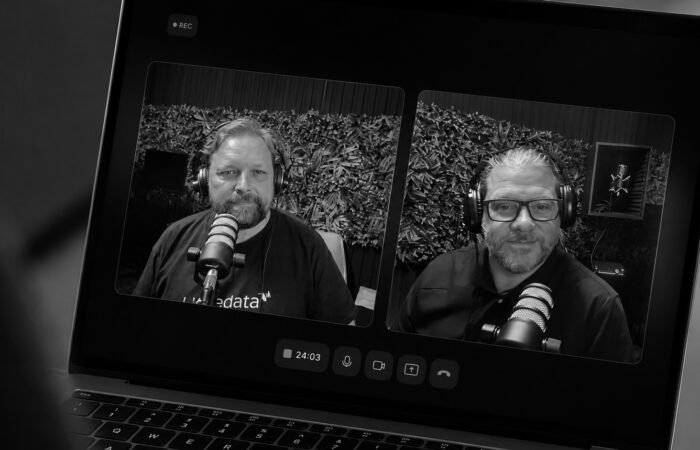
Hi there. I'm Richard Hill, the host of Agency Intensive, and welcome to episode 11. Today, we're talking to specialist growth and bulletproof retention with Amanda Walls, founder and director of Cedarwood Digital, a Manchester agency laser focused on SEO, paid media, and digital PR. Over the last nine years, Amanda scaled Cedarwood from a solo startup to an award winning team while keeping client churn low and staff happiness sky high. Sounds perfect. Right? Well, we'll dive in, and we dive into the frameworks that actually work, the mistakes to dodge, and why full service isn't always the dream. If you want to scale a boutique agency without losing your soul, this is the episode you don't want to miss. If you enjoy this episode, hit the subscribe or follow wherever you're listening so you're always the first to know when a new episode drops.

Richard Hill [00:00:54]:
Now let's head over to this fantastic episode. Amanda, welcome to the Agency Intensive Podcast. How are you doing?

Amanda Walls [00:01:04]:
Hi, Richard. I am doing really well. Thanks. How are you doing?

Richard Hill [00:01:07]:
I'm very well. Enjoying the sunshine?

Amanda Walls [00:01:10]:
Absolutely. I mean, as you can probably see, I am absolutely bathing in it right now.

Richard Hill [00:01:16]:
Yes. It is glorious out there, isn't it? We've hit, spring in The UK, which is a fabulous, fabulous, fabulous time of year. But, right. I think before we get into the nitty gritty of running agencies, it'd be great for you to introduce yourself and how you got into the world of running your own agency.

Amanda Walls [00:01:32]:
Yeah. Sure. So I'm Amanda. I am the founder and director of Sudowood Digital. So we are a SEO paid media and digital PR agency based in Manchester. So I've had Cedarwood for nine years now. It's actually the ninth birthday on the March 17. So

Richard Hill [00:01:47]:
Oh, congratulations.

Amanda Walls [00:01:48]:
Celebrations. Can't wait. Although, I figured I can't do too much for nine because it's ten next year, so I need to, you know, it's something really exciting for ten. But, yeah, I've had I've had to do it for nine years. So prior to that, a little bit about my background. So I grew up in Australia. I studied journalism. Actually, I wanted to be a journalist when I was younger.

Amanda Walls [00:02:06]:
And then I did my degree, and I kind of moved into journalism. Like, I think I preferred kind of PR and marketing. So I then went back and I did a master's in Australia, and I did a, like, a board of marketing degree. I then left Australia, and I went to Singapore, where my dad was based for a period of time. I've been sort of traveling to and from and for a while. I went to a bit of traveling. So I did that for quite a while and did a little bit of freelance work, and then I came back to The UK. And when I moved back to The UK, I started working at digital agency.

Amanda Walls [00:02:33]:
It was probably my first real experience of digital marketing. I'd obviously done a bit in Australia, but it was predominantly kind of social media. I used my copywriting skills. I came as copywriter, and then I worked from being copywriter to a content strategist to a kind of digital ops role, and then I moved to head of digital, at an agency. But I think the problem with that we had with this agency, it was full service. So there was 12 or 13 of us trying to do everything under the sun, so, you know, web design, development, SEO, PPC, email. Like, it was there was a lot going on. So at that point, I kind of decided to to step away and and start Cedarwood.

Amanda Walls [00:03:08]:
And when I started Cedarwood, really, the biggest takeaway I wanted was to start a specialist agency. So I didn't wanna be full service. I just wanted to specialize on SEO, paid media, and digital PR. And Yeah. That's that's how CDW would kind of begin.

Richard Hill [00:03:20]:
So you're stuck. So nine years later, you just so nine years ago, you decided to write. I'm gonna do my own thing, and I'm just gonna do these three things. Are you still just doing those three things? Have you added anything else in the last in the last nine years?

Amanda Walls [00:03:32]:
No. We're still just doing those same three things, but we're still doing I mean, I guess what you could say is that our paid media side of things has maybe expanded to incorporate things like TikTok and meta ads just because they've become more popular. And and, obviously, nine years ago, they weren't really a thing. But aside from that, you know, SEO, digital power, and paid media is still up caught off core frame. We won't do anything else. I couldn't build a website to save my life. I don't really want that as part of our offering. You know, it's a lot of really great companies out there that do it, and and we partner with someone that's great.

Amanda Walls [00:04:02]:
But, yeah, it's it's not for us. You know, we prefer to specialize in what we specialize in, and we find that clients actually prefer that as well. So I think I think it works both ways.

Richard Hill [00:04:10]:
No. I think here here, I would say. Yeah. I think, specializing seems to be a key theme on the podcast. Obviously, there's a lot of a lot of a lot of things you can do in in, you know, you sort of get busy. Like like you say, in your previous ages, you're busy trying to do or master a lot of different things. But in reality, if you're with deep specialization attracts certain types of clients potentially, and obviously then it's potentially easier to service because you're doing that all day every day. You're very, very specialist in what you do.

Richard Hill [00:04:36]:
But expanding a little bit within those, verticals, if you like, of, you know, if if a new platform comes along, exploring it potentially. And then is it a fit? Yes. It is. That fits because we've already got a creative team that are creating creative for Meta, for example. But now TikTok, you know, maybe a couple of years ago, I was like, right. Okay. Actually, this is a this is a fit for some of the skills we've got. Obviously, we can add value to our existing clients quite easily.

Richard Hill [00:04:59]:
So yeah. Now I love it. So nine years, that's quite a that's quite a quite a while. It's quite a while. Obviously, seen some great growth. What would you say has been your biggest learning around scaling the agency?

Amanda Walls [00:05:13]:
Sure. So I think well, actually, there's probably been two things. I think getting the right people has been very important. And I was really lucky when I started CEDAW with the a couple of my initial hires. One in particular is now head of operations. It's been with us now for seven years. So I'm really lucky to have had that kind of consistency and stability throughout. And I think in the early days, we had really, you know, had really, really, really strong staff retention.

Amanda Walls [00:05:37]:
And we still do to a point. But as you get bigger, of course, your staff retention is going to go down a little bit because you've got more people that could potentially move to other businesses. And particularly in the last year or two, we've had a number of staff that have been pretty aggressively headhunted by other agencies, and that's been a challenge. So I think one of my biggest learnings has just been making sure that you're investing in people. And that's not necessarily by giving them, you know, free beers and free pool table and, you know, half day off on my birthday. It's about giving them you know, understanding them, like, what they actually want. So Yep. Yep.

Amanda Walls [00:06:06]:
Some people don't want to be a manager. Some people just want to come in at 09:00. They wanna leave at 05:00. They want very little hassle, and they just wanna get on with their job, and they don't really wanna socialize. You know, they just wanna do them, and that's absolutely fine. And sometimes they're the most valuable people in your business. And sometimes you have the opposite. Some people come into the office, and they want a really vibrant social life.

Amanda Walls [00:06:27]:
So, you know, I think it's about understanding for staff what makes them feel comfortable. And when they're comfortable, it's about, you know, kind of how do they then, you know, do their best work. Yeah. And I think that's really important. And I think the other biggest learning that I've had more so in recent years is building a bit of buzz about your brand. Because for the first, I would say, four to five years of, we were very we weren't known as a brand. We weren't known as an agency. And and at the start, I was kinda happy with that because I was like, this is great.

Amanda Walls [00:06:55]:
We're not attracting any attention, positive or negative. We're just kind of minding our own business, and I'm I'm a really private person, like, with my private life, etcetera. So I don't like people talking about me or my business or anything like that. So I was like, this is great. But then I kinda got to year four, five, and I was like, but this has been fine because we've had clients that have stayed with us today. But if we wanna grow at any point or if we wanna replace clients that are inevitably gonna leave, then we're gonna need to start doing things. Yeah. So I think, you know, putting yourself out there, building a brand, I know people have various opinions about it, good and bad.

Amanda Walls [00:07:27]:
You know, people do have different opinions on it, and I I appreciate and I respect that. But I think for us, you know, starting to talk, at events has been very important. You know, just think a bit more active in the community, LinkedIn, those those types of things. Yeah. They all play a role. So that that's been a big learning too.

Richard Hill [00:07:42]:
Brilliant. That's two great areas. I mean, so going back to the people piece, obviously, you're saying, obviously, some people wanna come in, lock down, get the headphones on, do the do the days do the do the day's work, and then and then leave. Others are obviously, you know, different aspirations, wanna do this, that, and that. So how maybe step us through the process of do you have, like, a you know, when somebody starts with you, they they fill in a certain or they sit and have an interview to do with their aspirations, and then do you have, like, quarterly reviews or PDRs or appraisals? How do you do that process?

Amanda Walls [00:08:12]:
So, yeah, we have six monthly appraisals where we do it. And, normally, I just ask them, to be honest, I'm a pretty straight talking person. And I think also within six months, you can wipe that out. Yeah. Like, I think it's very easy to understand the type of environment that a person works best in. So I don't think you necessarily need to you've asked them too many questions to understand that. I think it's more just a case of clarifying that and then understanding how we can best support them. I mean, we have some staff who work fully remotely because they just feel that they work better at home.

Amanda Walls [00:08:39]:
They're not that bothered about an office environment, and that's what's most productive for them. And then we have other people who are like, no. I I want to be in the office three days a week because I need that social. I'm one of those people. So for me Yeah. I have to have that sort of social element. I can't sit at home, you know, more than kind of two days. I'm not been at home all day today, and I'm already, like, climbing walls even though I took my dog out for a walk this morning, you know, and I met some people at the common and had a bit of a social there.

Amanda Walls [00:09:05]:
And I went to Pilates and had a social there. I'm still climbing the walls to to talk to people. So Yeah. You know, I I think and in the appraisals, we do ask them that, but I think you can get a pretty good gist for it pretty early on. Yeah.

Richard Hill [00:09:16]:
So you so you have an office, but it's sort of like do what you want almost in terms of come go. Tell us that it's sort of about three days in and then the other two days, we do what you want, or it's just whatever?

Amanda Walls [00:09:27]:
Yeah. So, generally, we ask the staff to come in on Tuesdays and Thursdays. Mondays, Tuesdays, and Thursdays. Sorry. Mondays and Thursdays are kinda core days. Tuesdays are an optional, but not everyone does. And that's actually okay. It's more just a case of for the people that do wanna come in, having those set days means they know other people are gonna be there rather than someone coming in on a Friday for social experience and no one being there and kind of to figure

Richard Hill [00:09:50]:
out a

Amanda Walls [00:09:50]:
little bit. Right?

Richard Hill [00:09:50]:
And do you have, sorry, do you have, full time people that are fully remote as well, or is everybody doing a few days in?

Amanda Walls [00:09:57]:
We do. And we only started this probably, I would say, a year ago. Mhmm. So we didn't until then. And now most of our digital PR teams remote. So we have someone in Cambridge. I think she's in Cambridge. We have someone in Newcastle, and we have someone in the Lake District who's gonna be starting with us shortly.

Richard Hill [00:10:16]:
Yeah.

Amanda Walls [00:10:16]:
And we think we've just learned to kind of work remotely with them. And, you know, it does open up. I think if you have really strong candidates that can't come into the office, it's a shame to miss out on the opportunity of those candidates.

Richard Hill [00:10:29]:
But you

Amanda Walls [00:10:29]:
do have to find a balance. I certainly wouldn't want 50% of the team remote, and, you know, we've got a new role going up for PPC executive at the minute, and I want that role in office because the rest of the team is in the office as well.

Richard Hill [00:10:41]:
You know?

Amanda Walls [00:10:41]:
So From

Richard Hill [00:10:42]:
that from that team. Yeah.

Amanda Walls [00:10:43]:
For them to to have that. But I definitely think there's the opportunity for remote working, and and it does work well if it's done in the right

Richard Hill [00:10:50]:
way. Yeah. Yeah. No. I I I agree. I totally agree. So you mentioned briefly, on my first question, obviously, we we've got, obviously, investing in a team, understanding different people's sort of, sort of aspirations and trying to accommodate where you can and being very open with that. But you also mentioned about sort of getting yourself out there, you know, podcast, for example, speaking at events.

Richard Hill [00:11:11]:
And I know you've spoken at, looking at my, colleague's notes, Brian Ethio. But I know before we came on, we talked about, or before we hit hit record, if you wanna hit record, we talked about going a little bit further afield to the sunny Vietnam, which you will have been to by the time this goes on air. But, you know, how do you sort of go about you know, what advice would you give to people that are listening in agency hours about getting some of those, you know, great gigs, speaking at some of these big conferences? How do they how does how do those come about, or how do you put yourself in line for those? How do you get noticed for those?

Amanda Walls [00:11:45]:
Yeah. Definitely. I'm I am, like, over the moon to be speaking at the SEO Mastery Summit. I genuinely it's like a bucket list for me. I'm so excited about it. I've been rehearsing my talk endlessly. Literally, just before we came off this podcast, I was doing it. But I think in terms of how you get yourself out there, so I I'm speaking at Brighton SEO in April now for the fourth it'll be fourth time this time, but I didn't start at Brighton.

Amanda Walls [00:12:05]:
I actually started I mean, we go back a long time. My degree was in TV journalism, and I worked as a TV journalist in Australia. So I had some background, and I was a confident public speaker, and I knew it was something I enjoyed. Even back at school, I did Toastmasters and debating and and kind of those kind of things. So I think I already had, you know, like, a level of confidence in being able to do it. And I think sometimes it's difficult for people who don't have that to want to put themselves forward. Our, head of paid media, she's been with us, like I said, for seven years. And three months ago, she did her very first online talk, and I've been trying to persuade her for years and years and years, and I was so proud of her when she did it.

Amanda Walls [00:12:40]:
Sort of like, you know, once I've done it, I I can get there and I can do it. And I would say put yourself forward at smaller gigs. So I did Sheffield DM. I did, Missing Link Live. I did, like, a talk at Leeds Digital Festival. I did a lot of really small events to build up my confidence and also just to have something to put into my portfolio before I spoke at Brighton. And then, obviously, I was fortunate to speak at Brighton. And then I just continued to kind of build out that.

Amanda Walls [00:13:06]:
It's almost like building up a CV, isn't it, of place to sleep and talk, and I did a couple of online conferences. So I did, like, search with Sean, and I did an online deck just to have almost, like, a showreel of Yeah. What I could do because a lot of these conferences ask you to send those through. And I think once you've got that and, also, you you've started to establish yourself online a little bit on LinkedIn so people may follow you, and

Richard Hill [00:13:28]:
you're

Amanda Walls [00:13:28]:
sharing really useful information. That is that's a great place to start. And then I would say just go for it. Like, when I pitched to speak at the SEO Mastery Summer, I really didn't think I would be chosen. But I thought, why not? Give it a go. I was delighted when I was. But, you know, you don't know. If you don't do it, then you don't know.

Amanda Walls [00:13:47]:
So So

Richard Hill [00:13:47]:
you filled in an app so you saw it in that, like, a request for applications for that, filled in an application, and then reached out and said, Amanda, let's do it. Pretty much.

Amanda Walls [00:13:54]:
Is that right? Pretty much how it is. But what I would also say is I have been rejected a lot of times too. So I got the International Search Summit. I got rejected from SMX. I got rejected from MozCon. I've been rejected from Brighton before. So, you know, I don't wanna make it out like it's all roses. It's pretty easy to get these gigs like this.

Amanda Walls [00:14:11]:
Also Yeah.

Richard Hill [00:14:12]:
A lot of people doesn't matter, but Well Yeah. That's just a brilliant I think that's brilliant for the guys that are listening. You know, ultimately, sort of putting yourself out there is quite scary, you know, as a first timer, you know, or if you're starting out on your agency journey or you're so far into it and know that but, obviously, having the opportunity, like, you will have just had to stand there in front of an audience of, what, four, five hundred people at SEO Mastery and and do your thing, you know, the thing that you you spend the last nine or more years doing and and speaking to 400 plus people as opposed to one person. Obviously, that opportunity commercially is huge, but, obviously, for the brand, for your for your agency, it's just a huge, huge thing, isn't it? I've been able to present to many such a sort of underused, but I say fairly straightforward thing to do. It sort of is the standing there talking about a thing that you're super passionate about. I mean, the a lot of don't wanna simplify it, but, obviously, it's a lot of lot of mind space, pre beforehand. I'm sure you'll be processing it in the shower for the next few weeks, but but it's a great thing to do, isn't it?

Amanda Walls [00:15:14]:
That's a laggard.

Richard Hill [00:15:17]:
Yeah. They're a good crowd. I've been to that event twice as I mentioned earlier, and it's a cracking event cracking event. One of my favorites to be fair. So, yeah, enjoy. So we need to get ourselves out there speaking at events. You know, maybe you mentioned Toastmasters. I can think that's again, you know, our listeners, you know, that's obviously an option for a lot of people in in their local vicinity to go and join their local Toastmasters, learn the craft, or get some guidance, help, and support, you know, on the on the speaking side.

Richard Hill [00:15:44]:
Let's change direction a little bit, and let's talk about retention. Obviously, SEO and PPC and PR, they're worlds that I'd like to think I know pretty well. It's exactly what we do pretty much in a in a couple of bits on top. But retention with clients, what advice would you give to agencies listening about really honing that retention piece, you know, and how important has it been to to have good retention over the last few years?

Amanda Walls [00:16:11]:
Sure. So I think for us, retention starts at acquisition. So it's from the very start. I think our business model probably lends itself a little bit better to retention because we don't have an outbound sales team. So all the clients that we bring on board have come to us. They've either come to us by word-of-mouth. They've either come through the website, maybe through a Google search. They found us because they have a need.

Amanda Walls [00:16:33]:
And when you're dealing with someone that has a need, it's a little bit of an easier sell to start off with because they need someone. So it's not a case of them thinking about whether they need it and then deciding which agency they want. They already know, like, that they need it. They're then just deciding which agency they want, and that is, you know, so much easier to kinda work with. And then when you get them on board, because that was the way that the the partnership came about, it does make retention a little bit easier because you know they still have that need when you come to retain them. I think when it's the other way around and you're selling to someone and you're trying to explain to them why they need it, it's much easier for them to think, actually, I don't need this anymore because I don't really need it to start off with. Like, what what what what what what on my radar? It wasn't on my plan. And maybe they did need it, but in their mind, they didn't think that they did.

Amanda Walls [00:17:18]:
So I think if you've got that that sales funnel, it's already from the start, it's making retention that a little bit harder because you've potentially sold to someone who may have thought, oh, we'll just try this out and see how it goes, you know, rather than someone that's fully invested and therefore actively looking for something. So I think that the first part is the part there. The second part is what I like to call the initial call. So whenever someone inquires to us, I always say, can you jump on a phone call? And if they don't, we won't work with them. And the simple reason for that is if they don't have the time to spare fifteen minutes or half an hour to talk to us about the project, I don't think they're really that invested in it. Because every client that I've spoken to that is genuinely invested in their business has has done a call. You know? They want because they want to give us the best possible information we can have to make sure we're producing the best possible proposal that has the best possible outcome for their business.

Richard Hill [00:18:08]:
Yeah. So

Amanda Walls [00:18:09]:
I think there's almost a qualification stage acquisition again that leads to retention because we're taking on board a more qualified client rather than someone that's maybe just in a tick box exercise and thought, well, I'll just go whatever agency ticks the box. And we we have been in that process in the past, and we've been that agency. And then the year's up, and they're like, right. Cool. Well, we're gonna go out to tender again, and we're gonna go through this process again. And, yeah, and and that's difficult. So I think the first part of retention is acquisition. The second part is the way that you manage the clients when they're onboarded.

Amanda Walls [00:18:40]:
So we have such regular touch points with our clients that it shouldn't ever get to a point where the client is unhappy without us knowing about it first. So we're always checking in with them. We're always making sure. We're also always aligning. We're always you know, if something isn't going right, we're quite open and transparent with them. So we give our clients access to real time reporting, which which means they can see everything that we can see. So there's nothing hidden or, you know, there's no surprises or shocks in the monthly calls. There shouldn't be anything that they're not expecting because it will already been explained to them.

Amanda Walls [00:19:08]:
Not that I'm making out that we have loads of problems, but, you know, just in case those problems do arise, that's that's kind of a caveat we have in place to make sure that that's not so much of an issue. So I think that plays a big role into retention as well. But, also, it's it's putting the FaceTime in, and this is a big thing for us. So we try and get out to see clients as much as possible face to face. And it is hard since COVID because clients don't wanna see us sometimes. Like, some of our clients do, and that's great, and they're brill. But other clients will be like, nope. Oh, no one's in the office anymore, or does that mean I've got a drive to the office? Or, you know, these are all things that I've been told.

Amanda Walls [00:19:42]:
Like, oh, that means I've got a drive to the other office, which is fifteen minutes away. I'm just like, okay. That's fine. But, you know, the face to face element is the relationship going. The best relationships I have with my clients are from clients I had before COVID, and that's bad. Like, but it's because I was seeing a lot more of them than what I do now where everything is just done over Zoom Yeah. Yeah. Additionally.

Amanda Walls [00:20:02]:
So I think for retention, just put the face to face time in. Even if you have to drag them kicking and screaming, you you know, it'll be worth it.

Richard Hill [00:20:10]:
Sorry. I think we see it so often where agencies don't speak to their clients very often, but then their churn is pretty bad, you know, or pretty you know, also or some challenges, you know, more challenges occur. Let's say then so maybe step us through. There's a lot of stuff there. I think, a lot of good stuff there. You know, obviously, you're you're dealing with people that are they've already may maybe found you through a talk you've done. So they've already, you know, they're they're they're they're inbound, so they are warm or they're recommended. Do you do do you do much? Or what is your take on sort of, obviously, you've got a lot of happy clients.

Richard Hill [00:20:43]:
So are you encouraging your account managers and your account team to ask for referrals and things like that?

Amanda Walls [00:20:49]:
So we actually don't do this. People have told me that we're silly for not doing it. I've had conversations with people about this, but we don't. I don't I I don't know. I kind of, you know, I was having this conversation the other day. So, basically, we have just onboarded a new client that was a referral to me from, my old flatmate who also works in PPC. And he's friends with the the person that owns the business, so he didn't wanna work on it because he's friends with it. And he's like, you know, look.

Amanda Walls [00:21:16]:
If something was to go wrong, I I wouldn't wanna be involved. And I get that a % because I feel the same. And I sometimes wonder if you refer someone to someone else, even if they're doing a good job for you, it doesn't necessarily mean they're gonna be the right fit for someone else. Because that's the other thing that I say about SEO. Like, SEO doesn't work for everyone. And I think people think I'm crazy when I say that, but it just doesn't work for everyone. Like, sometimes, in the past, you bought, quite frankly, too many bad links that your website is gonna struggle to rank or, you know, actually, if you won't make these changes or you won't do that, then SEO won't work. And I think there's always that the element of, like, it's not it's not a proven entity.

Amanda Walls [00:21:53]:
Right? I mean, none of them are SEO, PPC, digital PR. I mean, PPC for sure is easier. You know, it's easier. You you put x amount of money in, you generally will get x amount of money out. And our strongest client retention is on our PPC side, probably for that reason because it's so measurable. But Yeah. Generally, I don't ask for referrals. I don't expect our clients to put their neck on line.

Amanda Walls [00:22:11]:
I I don't know what probably should. I should probably offer them, like, you know, ten ten I

Richard Hill [00:22:15]:
mean, what

Amanda Walls [00:22:15]:
they do. Maybe we would get a lot more leads. But I would hope that if they trusted us enough and that they thought that we were doing a good job, they would naturally find the need to

Richard Hill [00:22:24]:
Yeah. Yeah. No. I'm just curious because I think It's

Amanda Walls [00:22:27]:
a mess we do. But yeah.

Richard Hill [00:22:28]:
Yeah. Yeah. Sometimes. Yeah. So, obviously, every now and then, you know, it all sounds very rosy at, Cedarwood Digital. Sounds like the dream. Clients are coming in for you do a rock up to travel around the world, first class to Vietnam and not quite. All it gets paid.

Richard Hill [00:22:49]:
That is very unlikely. I know Mads too well. It won't be all expensive space. Sorry, Mads.

Amanda Walls [00:22:54]:
You need to just touch on there.

Richard Hill [00:22:57]:
So you you you obviously no. Nice inbound coming in, you know, and then, obviously, you're you're very sort of, I guess, strictish on who you will and won't work with, which is brilliant, you know, quite clear on who you will and won't work with, especially if, you know, if they haven't got the time to come to a meeting or an issue is like, yeah, not a great fit. And then even then, you're sort of vetting them through that call, making sure you can help them. You know, your services align with, you know, where where they are at that point and what their aspirations are and so forth. But every now and then, I'm sure the reality is it doesn't go great. You know? Maybe. You know? So maybe, you know, how do you handle difficult client relationships, or how do you help your team manage difficult client relationships where something has really drastically gone wrong?

Amanda Walls [00:23:43]:
Yeah. I mean, yes. It's difficult. And, yes, we do have those circumstances. We have them all the time, to be honest. It's not that everything goes wrong all the time, but there'll always be something from a client perspective that maybe it's not quite right. It doesn't even have to be a performance related issue. It could just be that their emails aren't getting answered quickly enough or they're not getting this or they've read a metric wrong or whatever the case might be.

Amanda Walls [00:24:03]:
So I I had to do a lot of work on myself when I started an agency because on my I don't know if you've ever done color profiling, but I'm a red blue. And, basically, what that means is that I I fire up, in the face of kind of confrontation or anything along those lines. So, and actually it's quite scary because my natural profile is just red. There's no, there's nothing else in there. So I go from zero to a hundred very quickly at times. And I had to do a huge amount of work on my emotional intelligence and everything to to bring myself to a position where I was more confident to, you know, comfortably deal with clients. And I'm kinda I'm very open about that because I have done a lot of work on it. And I know there's a lot of people because I think a lot of agency owners fall into that that category, and we have to do a lot of work on it to put ourselves in that situation.

Amanda Walls [00:24:47]:
And every now and again, my red appears I have to kind of write it back in and think that that's okay. But, realistically, I mean, I guess the first thing is trying to make sure that doesn't happen. Right? So putting all these things in place, making sure that we have biweekly meetings with the client, and we're able to deal with things, quickly so that if a problem is raised, it's not something that's been brewing for an extended period of time.

Richard Hill [00:25:07]:
Yep.

Amanda Walls [00:25:08]:
And I think immediately, if you can grab something that's in its infancy as opposed to something that's fully blown, that really helps. You know, last year, we had an instance with a client where, basically, due to a change of account manager and something else happening with an account manager, They hadn't been commute well, they had been they had been communicated with, but there just would've been a a difference in communication pattern.

Richard Hill [00:25:28]:
Yep.

Amanda Walls [00:25:29]:
And I think over the period of four to six weeks, everything just boiled over, and there was just an explosion. And in that instance, whatever you're trying to do, it's really difficult to get it to work. So I think the first thing is making sure it doesn't get to that point. And it never should get to that point. It shouldn't have got to that point, you know, trying to make

Richard Hill [00:25:44]:
it happen. Isn't it? Yeah.

Amanda Walls [00:25:45]:
But it does happen, you know, from time to time. So I think, you know, the first part is mitigating that potential issue. The second for me is trying to understand what is actually causing the problem. Because sometimes when a client comes with a query, I feel like, what are you actually trying to what what is the actual problem? Is the problem that you haven't got any traffic, or is the problem that you don't know how to explain this to the senior management team? And what we found a couple of times when we've worked with, in house marketing managers, especially if they're quite new, is that they've gone to the senior management team. They've not understood the data that we've given them. And then as a result, the senior management team have come back and said, well, we don't like that. And then they come back from us, and we've had to come back and say, oh, actually, it's that's that's not quite how it is or

Richard Hill [00:26:28]:
Yeah. Yeah.

Amanda Walls [00:26:29]:
Made an incident.

Richard Hill [00:26:30]:
Report as a potential reporting where different different, stakeholders need different styles of reporting, which is easily fixed or communicating the what it means. Yeah.

Amanda Walls [00:26:39]:
Exactly. And, actually, two months ago, we had an issue with a client where, we don't so we did year on year and month on month reporting, and, normally, we just do year on year because of seasonality. But on this particular report, we done month on month, and they kicked off because they're 26% down month on month despite the fact they were 90% off up year on year. And it was just a miscommunication. Basically, the reason that they were down was because, they had a blog on their website about spiders coming into your home, and I think this was October, November. So in October, it was really popular because a lot of spiders went to your house.

Richard Hill [00:27:09]:
Pretty normal, isn't it? A lot of seasonality and a lot of brands. You know, if you compare in to December with most brands, there's gonna be a massive drop in January to December, isn't there? It's just a whether it's a summer summertime product or that,

Amanda Walls [00:27:20]:
I think, in the best possible way in terms of explaining that to them. We just kind of assumed that that seasonality would be a natural kind of factor. And I think, you know, a big part of it is thinking about the you know, tying it back to the business goals, understanding what they're trying to achieve, and, you know, sitting down with them. And I think the other thing is sometimes quite honestly saying this isn't working, and we did this with a client probably probably five months ago now. It was a while. And we did an initial call with them, and we did quite a bit of work for them. And they started calling us every day. Like, every single day, they needed something, and then they got annoyed because they couldn't get hold of us one day.

Amanda Walls [00:27:56]:
And I just had to turn around to them and say, this isn't work. We can't work like this as an agency, you know, for for your budget and retainer. You know, you don't have a dedicated person that can answer the phone every day. We're not here for them to

Richard Hill [00:28:06]:
time. I worry. You've got yeah.

Amanda Walls [00:28:08]:
Exactly. So I think sometimes it's just having those honest conversations. And Yeah. I find a lot of the time people don't wanna have those conversations because they look at the client as kind of something that they worship. But it's a partnership, really, and we should be on equal footing. So I think it's important to lay that from the outset.

Richard Hill [00:28:25]:
That's been brilliantly explained. I think having those maybe that might feel like challenging conversations with the prospect or, well, the client in this instance. And usually, it puts a pin in things, doesn't it? And it's just like, oh, okay. Misunderstanding. All go. Let's go again. All good. Or every once every 10 times maybe, it's goodbye.

Richard Hill [00:28:43]:
You know? Or

Amanda Walls [00:28:44]:
And and it's okay to be good. And I think this is the other thing. Like, it's okay to be goodbye. And I think sometimes clients get fucked if I'll say to them, you know, look. Actually, maybe this isn't working, because the way that we're communicating or, actually, you know, I understand that you need this level of communication, and that's not what we can offer you at this point in time. So you may be better suited to a smaller agency that can offer you a bit more hand holding. I don't think there's anything wrong with that.

Richard Hill [00:29:05]:
Yeah. No. Totally agree. Right. Change of direction. Let me think. So tools tools, software, SASs that you can't live without. If you if I was looking at your Chrome extensions now and your tabs that are open after we finish this podcast, what what do you live and breathe on to run your agency?

Amanda Walls [00:29:24]:
I can tell you I've got that open. So my number one is Ahrefs. I do everything in a hrefs. Oh, for sure. I actually went to a hrefs of all in Singapore in

Richard Hill [00:29:33]:
Oh, did you? Wow. Oh, that looks so good.

Amanda Walls [00:29:35]:
It was amazing. I really I thoroughly enjoyed that. I thought in front of that I've been to, the food was insane. It was the Pacific. It was yeah.

Richard Hill [00:29:42]:
Yeah.

Amanda Walls [00:29:43]:
That aside, I do 99% of my work on Ahrefs now as a tool. Yep. Yep. I appreciate it might be better if I diversified. That would probably help. But, genuinely, like, they've and I am not a sales rep for Ahrefs. I just wanna ask.

Richard Hill [00:29:58]:
They have to

Amanda Walls [00:29:58]:
take a look at

Richard Hill [00:29:59]:
this over there. If I ask my team, they'd give me the same

Amanda Walls [00:30:02]:
answer, basically. So Like, it does everything, you know, the level of analysis it can give you. And I think I use it more now because GA four, I find to be such an unreliable data source. It's so difficult to work with.

Richard Hill [00:30:12]:
So when I the Ahrefs tracking is, ready to go, isn't it? Yeah.

Amanda Walls [00:30:16]:
It's yeah. It's it's just so much more accurate. And I know that traffic estimations, you know, they are an estimation whereas I should do a force actual data. But the data mix with the cookies and everything is is difficult. So I would say I've got Ahrefs open. I've got, Asana open. So I use Asana for kind of all of our project management side of things. What else have I got open? Google Slides and LinkedIn.

Amanda Walls [00:30:41]:
Yep. Yep. That sounds apart from that, I would say, you know, we also use Toggl, and I just wanted to sort of say this is really important. So we used to have a tool called hour stack for our time management, and we loved it. And they they dedicated it. Like, they just got rid of it. And, honestly, it was heartbreaking. And even now, we use toggle now for time management.

Amanda Walls [00:31:04]:
Yeah. Yeah. Everyone logs their hours, so that's important for us to

Richard Hill [00:31:07]:
run. In everyone's in Asana and toggle then Asana for their tasks and their plan in sync with the diaries and whatnot, and then toggle to track the hours. Yeah?

Amanda Walls [00:31:14]:
Yeah.

Richard Hill [00:31:15]:
You're tracking hourly. You're tracking tracking everyone's, you know, you like, utilization rate for their clients and making sure that clients are then obviously, they're paying for x amount of hours or time or a project. You can then track it all back. Yep. Yeah. Yeah. Good. So what are you using for I I I asked this from a personal point of view because it really intrigues me, so I think as well.

Richard Hill [00:31:37]:
So let's see selfish questions. I have to squeeze them in. Like, digital PR, you know, what sort of things are you using to be aware of sort of opportunities that are available? You know, coverage wise, what sort of you know, I know a lot of people use a lot of different things like response source, etcetera. Have you got any sort of little things you can share that are really cool?

Amanda Walls [00:31:57]:
So we do use response source.

Richard Hill [00:31:59]:
Yeah.

Amanda Walls [00:31:59]:
We use chat DPT a lot for Yeah. Yeah. For digital PR. I use it mainly, so we do a reactive newsroom. So every Monday and Wednesday, we get the whole team together for twenty minutes to basically pull any new stories that are relevant to our clients so we can get out quickly active comments. Yeah. After that, I basically get ChatGPT or Grok because Grok tends to do it a little bit better.

Richard Hill [00:32:20]:
Yep.

Amanda Walls [00:32:21]:
Not that I'm promoting Twitter. To collate all of the, basically, recent news stories from specific sectors in The UK and just so I can have a scan through them saves me having to troll through the newspaper. So I use that quite a lot for that. Yep. Yep. And that makes my life a lot easier. I also use it for data analysis stuff. We're say, we're doing FOI requests or we're doing, any kind of data.

Amanda Walls [00:32:43]:
We're analyzing a report. I'll just check the report in there and see what

Richard Hill [00:32:47]:
it comes

Amanda Walls [00:32:48]:
out with. Over the next second.

Richard Hill [00:32:50]:
Yeah.

Amanda Walls [00:32:50]:
Yeah. And and I'll need to sometimes give it a few prompts and a few iterations. But in general, it's pretty good. You know, the the results that I've seen have been pretty strong. The other thing that we use it for digital PR for is to identify deeper linking opportunities. What I do with this is I use a href. I'm on the basically, I find all of the keywords positions five to 10, and I get, I get chat with you to cluster them, against the URL. So I can basically see very clearly, you know, which URLs are driving the most traffic, based off what keyword themes.

Amanda Walls [00:33:24]:
And then I can understand what kind of topics I wanna cover from a digital PR perspective that, again, will link into, where there's the most opportunity, I guess, to building.

Richard Hill [00:33:34]:
Yeah. No. I like that a lot. Well, thanks for sharing those, the the the tools. Yep. Great. I I love to, love to hear what everyone's using. So brilliant.

Richard Hill [00:33:43]:
So, obviously, doing a lot of speaking, ramping up the speaking, traveling around the world, living the dream. Awards, I think. Let's do let's talk about awards. Now, obviously, you you guys are doing quite a lot of awards. Maybe step us through your journey with awards, you know, maybe with how you started, what were the some of the obviously, you're doing digital PR as an agency. It's a bit of a natural fit. Obviously, I'm guessing you're pretty good at writing them because you do it for a living. But, you know, that sort of journey of, you you know, take stepping into that first award entry or submission, and then what you're doing now, bring us up to date, and maybe what the plans are with awards.

Amanda Walls [00:34:22]:
Yeah. So I would definitely say with awards, it took us about three years before we won anything. Yeah. It's it's definitely I mean, I maybe people do, but I've not seen anyone kind of just go into the award space and get it right first time. When I started, I didn't know how to structure an awards entry. I didn't know how to write an awards entry. I had no ideas. Don't panic who run, like, The UK search awards and the European search awards.

Amanda Walls [00:34:43]:
They have a really helpful video on their website, and I highly recommend anyone who goes to watch it. It's about an hour long. And it's with the judges, and they talk to you about what they really want from an awards entry. And that video really changed my awards entries because now they're still whatever. They're so much better structured. Like, you know, I'm getting all the information in there. I'm also so they give you feedback every time you enter an award. So I was able to collate a lot of information.

Amanda Walls [00:35:08]:
What we actually do with the feedback is we collate it in one main. So we've got a huge document of all the feedback we've ever received for any of our awards. And when we enter them, because we've just entered the European search awards, we essentially have someone go through our awards and and cross reference all the feedback that we've received to check that it, like, aligns with all of that feedback. Whether that'll have up or not, I don't know.

Richard Hill [00:35:28]:
That's great. Yeah. Yeah. I'm gonna show you're taking all the maybe reasons why you didn't win the last one. You know? Or the the feedback, shall we say. Yeah. Yeah. Yeah.

Amanda Walls [00:35:36]:
I think, you know, with awards, just do good work. Like, do good work, but also know how to explain that. Yeah. So know what they want. I mean, there's things like, you know, they're saying, oh, when you have a target, make it a whole number. Don't just make it a percentage. Like, be able to back it up. If I've got clients where I can't get access to GA four, I probably won't enter them into an award because even though, yes, you can see some bits on Ahrefs, I can't really give good data Yeah.

Amanda Walls [00:36:01]:
That's gonna back up what I'm doing. Unless Ahrefs looks beautiful. You know, it's hard

Richard Hill [00:36:06]:
to hockey stick.

Amanda Walls [00:36:07]:
Yeah. Yeah. I mean, that's the dream. But, you know, unless it really looks great, I can't you know, if I if I don't have the 2.4 data, there really isn't any point trying to to put an entry in. But I would just say, yeah. Look. We've learned I've learned a lot over the years now. Yeah.

Amanda Walls [00:36:22]:
We just finished European search was we entered 18 categories, which is a lot, actually, this year.

Richard Hill [00:36:26]:
18 categories?

Amanda Walls [00:36:27]:
Yeah. We we entered 18 categories. So that's a lot of

Richard Hill [00:36:31]:
a week a week's work at least.

Amanda Walls [00:36:34]:
It was yeah. It was more more than Yeah.

Richard Hill [00:36:36]:
Yeah.

Amanda Walls [00:36:36]:
But it it is worth it, I think, because it's it's just it's nice for the team for a start to go. Yeah. It's good night out. It's nice to just celebrate with the rest of the industry. And I think sometimes, you know, we don't and, again, I come back to this face to face face to face type of thing. So we're off to in May. I think it's the May. Yeah.

Amanda Walls [00:36:54]:
And it's just nice to see people. Like, it's nice to catch up, and it's nice. It's a nice holiday. You know?

Richard Hill [00:36:59]:
Yeah. Yeah.

Amanda Walls [00:37:00]:
And I took holidays to get away, and The UK set towards was nice. You know, we went down to London in December, and, again, we took some team members. And it's just nice for them to be recognized for the work that they've done. I I know that people have different views on awards. Yeah.

Richard Hill [00:37:12]:
Some people

Amanda Walls [00:37:13]:
really love them, and I think some people don't have such positive views of them. But for us, I mean, it's always just been a really nice thing. And people do say, oh, you know, they do recognize it when we pitch, and I think that's nice as well.

Richard Hill [00:37:24]:
Yeah. Yeah. I like the idea of entering a lot in one go because, obviously, it's it's obviously an insane amount of work. But if you're doing two or three, plus four or five or six or Mhmm. And, obviously, then you're ultimately commercially paying to go somewhere with the team, whether that's London or wherever it may be. You know? So you're paying for that night anyway. So if you've got half a dozen opportunities to win one, you should come back with one, at least.

Amanda Walls [00:37:52]:
Yeah. You would think that wouldn't work.

Richard Hill [00:37:53]:
Team, I reckon you're gonna come back with four.

Amanda Walls [00:37:56]:
Yeah. It it doesn't work quite that, though, unfortunately. I will get there, but, no, it's, you know what? I've I've met some of the judges, and they are generally the most decent ethical. Like Yeah. They take the job really seriously,

Richard Hill [00:38:08]:
and

Amanda Walls [00:38:08]:
I really respect that.

Richard Hill [00:38:09]:
I think I saw on your website, before we came on that you won one of the ecommerce awards last year. Was that right? Or you were that yeah. Was it was it the one at the o two?

Amanda Walls [00:38:19]:
No. Oh, no. It wasn't at the o two. It was Oh,

Richard Hill [00:38:21]:
there was a there was one that was in a building in the 02, which we we were at. So I'm wondering if we're in this if we're in the same awards due that night, but maybe not.

Amanda Walls [00:38:28]:
It's I mean, I so I didn't actually go to my awards. In fact, I think we're in trouble with The UK Ecommerce Awards because, true story, we've now won for the last four years. So we won small agency for three years, and we won a medium agency last year. And I've not been for the last four years. So this year, I'm gonna

Richard Hill [00:38:44]:
go. They can. Be up against each other.

Amanda Walls [00:38:47]:
Oh, yeah. Of course. I never think about are you a medium agency?

Richard Hill [00:38:51]:
Yeah. So we won so last year, we won best ecommerce team.

Amanda Walls [00:38:55]:
Right.

Richard Hill [00:38:56]:
And then I won, I won the ecommerce personality of the year.

Amanda Walls [00:39:00]:
Nice. Well, we were the ones that got booed because we weren't savvy.

Richard Hill [00:39:04]:
Cheesy saying that. So you so yeah. So we'll maybe we'll maybe be on the same table one day soon.

Amanda Walls [00:39:12]:
That's all. Sounds good.

Richard Hill [00:39:14]:
So you're still very much committed towards obviously, you've got 18 or so in flow at the moment. And maybe step us through obviously, you've done you've been doing that for a while, you know, and I think it is like a it's quite a lot of opinion on awards. But what are some of the things that have come from winning awards or even just being nominated from awards? What sort of conversations and maybe commercial things have come from awards that you think wouldn't have happened?

Amanda Walls [00:39:38]:
Visibility in Europe has been a big one for us. So, you know, we as a The UK is a really crowded space. I was at a dinner, last week, actually, with a a client, and, I'm doing, like, an advisory piece at the minute. And a gentleman that was there said that there's something like 30,000 agent in The UK, and we're all fighting over a very tiny piece of the pie. And the Eagle is very mature in terms of digital marketing. But Europe and The US and Asia, for example, are still growing in that space, and there's a lot less agencies there. So, really, a big thing for us has been international expansion. So at the minute, the majority of our clients are still based in The UK, but that's something we're very keen to change.

Richard Hill [00:40:20]:
You're working on that. Yeah. Yeah.

Amanda Walls [00:40:21]:
We just started moving into The US and Canadian market, so we've probably been there for about a year. Yeah. Europe has been there for longer than that, but European search awards are exposing us to companies in Europe that we wouldn't otherwise have come across, and they wouldn't otherwise really have visibility of us. So I think the first six plus and we really want to get our clients in The US and Canada at The US Search Awards so we can have a bit more visibility there as well, and I think that Yeah. Yeah. That would be really important. But yeah. So the first thing would be visibility in Europe for us.

Amanda Walls [00:40:52]:
You know, it's it's just that's really helped. And we have had inquiries off the back of that for sure. So one of the reasons why we're entering so many awards at the European search awards is just to get that, you know, visibility out there. I also think although I can't prove this, I think it's helping us to rank our large language models. So we're getting a lot of inquiries at the minute from people searching for top agencies on things like chat GPT

Richard Hill [00:41:16]:
Yeah.

Amanda Walls [00:41:17]:
You know, and and LLMs. And I it wouldn't surprise me if where they pull a lot of their information from related to awards websites because that's

Richard Hill [00:41:25]:
like authority sites. Yeah. Agency authority sites. Yeah.

Amanda Walls [00:41:29]:
That that builds it up as well. And we do get some inquiries off back of who we dug as many as we used to. So Yeah. Yeah. Two, we got quite a lot. But in the last couple of years, it's not been as many. But it is just kind of a nice I think particularly when we're dealing with bigger businesses, and they're going to a senior team and they're trying to sell an agency in, for them to say, oh, we can see of the year, European agency of the year. It's an easier sell

Richard Hill [00:41:54]:
for them. And I think I like the idea of what you're saying where, obviously, you're submitting 18. Well, some of those, I'm I'm sure, you you maybe alluded to are specific industries. So if you're submitting for the finance, for the for the travel, for the and, obviously, to win then, we're the European search agency of the year for travel, and then a travel company is looking for a travel agency. Clearly, you know, straight away, it's like a laser sighted, you know, opportunity for them for you. You know, you're the experts because you didn't just win the search award. You won it for a particular vertical. And then you're gonna get very specific inquiries from finance travel, whatever it may be.

Richard Hill [00:42:33]:
Yeah. Yeah.

Amanda Walls [00:42:34]:
That's what we try and focus on as well. So, you know, we have particularly this time, I think we've got seven different vertical awards. We've also got things like best use of data, best use of PR insights, so the areas that we specialize in as well. So it is, yeah, you know, not just the agency awards. Because a lot of time, the agency awards, I think they focus on agency culture

Richard Hill [00:42:51]:
Yeah.

Amanda Walls [00:42:52]:
Which is obviously very important. But when it comes to performance, it's those vertical awards that I think add for a lot.

Richard Hill [00:42:58]:
Love it. So do you when you're may when you may be bit of a loaded question maybe, but when you take on a new bit of work or a new new new brand, new client, do you think, ah, this will be a brilliant award entry in twelve months if we can do this, this, and this. They're at they're at this, you know, whatever. They're doing a £10,000,000 now by search, whatever the numbers are. They're not ranking very well, blah blah blah. Now if we can get them to hear, hear, hear, what a cracking case study, what a cracking award entry for finance that would be, and then works towards, obviously, doing what you set out to do to then create twelve months down the line, you know, a good case study that then can become an award entry maybe?

Amanda Walls [00:43:38]:
So I I don't think of them as an award entry, but I definitely do think of them as case study. And, you know, this is an interesting one. So we've had mixed kind of views in terms of businesses that have inquired. So we've had a lot of businesses that have come to us from our case studies page and said, we've seen that you've done this work for this client. Yeah. Can you do it for us? And the problem is at the minute, because we've got a good retention rate, this year already returned away three clients because they're in competitive sectors to clients we already have. So that'd be great if those clients well, wouldn't it be great if they didn't work with us anymore? But you know what I mean? Like, if those clients weren't working anymore, then that would be a great lead by themselves. Yeah.

Amanda Walls [00:44:13]:
But, unfortunately, it it doesn't quite work that way. But I definitely think having case studies in specific sectors helps. Now for us, there are sectors which I'm desperate to break into, but we don't have many case studies. So for example, travel, we probably only got two, but my staff are desperate to work on travel clients. I didn't really wanna have a go. Personal finance, I wanna do more work, and we've got tons on SEO and digital PR, but nothing on paid media. So, again, I would love to get a paid media personal finance client. So it's often that, you know, if we do come across a client of that type, then, yes, I'll be thinking this client would make a brilliant case study.

Amanda Walls [00:44:48]:
That doesn't mean we're gonna work any harder or less harder. You know? Or it's not gonna change the way that we view them. Yeah. But it's definitely, you know, for sure. I mean, as an agency owner, that's my commercial acumen to think about, okay. How am I going to utilize this as to kind of build

Richard Hill [00:45:02]:
up Leverage it in some way. Yeah. Yeah.

Amanda Walls [00:45:05]:
Yeah. Exactly. And we're big on case studies.

Richard Hill [00:45:08]:
Well, Amanda, it's been a pleasure. It's gone very, very quick. Last couple of questions. Sure. So what are you focusing on now? You know, this next sort of six, twelve months, what's very much in the plan for the next six, twelve months?

Amanda Walls [00:45:23]:
So, well, for the next month, it's just, getting through these talks. I've got the SEO Mastery Summit. I've then got digital marketing Europe in Lithuania. I've then got SEO, Brighton SEO. So the next month is incredibly busy, so I'm focusing on that. For the next six months, we are so we've got quite a healthy new business pipeline at the minute. So and we're hiring a couple of new roles. We've just hired a new digital PR strategist, and we've just we're hiring for PPC exec.

Amanda Walls [00:45:47]:
So it'll be very much onboarding and settling those guys in, settling in the team, and then forecasting for for what that looks like after we've kind of got through this busy period. What we tend to find is that February is really busy for new business, and then it quietens down. We're planning on redeveloping our website, so that's gonna be a bit focused for the next six months. We kind of wanna have that done by September. And with that, we're going to be, you know, rebranding our social media. We're reviving our blog on the website. We've got a pretty big focus on Seawood brand, really, for the next six months. So doing more on socials, TikTok, LinkedIn.

Amanda Walls [00:46:21]:
We've got more people in the agency dedicated to that as well. Creating more case studies because, actually, a lot of the case studies on my website are quite old. We've got loads of new clients that we've not, done that with. And then getting out to see our clients a bit more. So that's kind of the the six month plan, I guess.

Richard Hill [00:46:35]:
Yeah. Yeah. Yeah.

Amanda Walls [00:46:36]:
For twelve months more so. Retention, it's gonna be a big focus this year. So we have been lucky. We onboarded four new clients in Feb, so we've had a pretty busy start to the year already.

Richard Hill [00:46:47]:
Yeah. That's fantastic.

Amanda Walls [00:46:49]:
I mean, it's gonna be a busy times. The agency space is competitive at the minute because I think new business is is a difficult task. So there's a definite race to the bottom. We have lost a few pictures on price recently, so it'll be looking at that. I wanna refresh how we pitch and get a new presentation deck done because we we're the agency that very much does, how can I put it? We're not much for fancy decks and kind of big, small things, and we're more about the kind of substance and what goes into it. But sometimes, I think that does hold us back, particularly with bigger clients.

Richard Hill [00:47:21]:
It's a fine bar it's a fine line, isn't it? Because you think, oh, we didn't do enough. Then when you get the feedback that it was too long and the deck was too long, you thought, okay. Then we'll do a four pager around their business, and then we didn't mention about all the awards we won. Oh, god. You haven't got the pedigree. Yes. We have. We just didn't mention it.

Richard Hill [00:47:36]:
Oh, you know, it's trying to yeah. It's very there's no there's no one size fits all. That's for sure. Yeah.

Amanda Walls [00:47:41]:
100%. And so, yeah, we'll just be spending that time, I think, finding that balance and trying to get it right.

Richard Hill [00:47:47]:
Yeah. Well, it sounds like a very exciting agency to be a part of, so bloody well done. It does sound really, really good. So very, very pleased for you. So I like to finish every episode with a book recommendation, Amanda. Do you have a book to recommend to our agency listeners? Any book. Woah. Doesn't matter if it's agency related or if it's,

Amanda Walls [00:48:06]:
if

Richard Hill [00:48:06]:
it's a special gardening.

Amanda Walls [00:48:08]:
No. No. No. I've I've got one. I don't read by the way, I should probably say this. My well, I use Audible. But, as I'm going to Singapore on Saturday, one of the most inspiring books I ever read was actually from, from third world to first by Lee Kuan Yew, who's the founding father of Singapore. It's a biography that he wrote, and he talks about, what he put in place to take Singapore from a third world nation to a first world nation in one generation.

Richard Hill [00:48:33]:
Yeah.

Amanda Walls [00:48:34]:
So it's an incredibly inspiring book. Yeah. Yeah. Whole story is incredibly inspiring. And to be honest, a lot I've actually got a post going out on LinkedIn to celebrate Cedarwood's ninth birthday that talks about a lot that I learned from that, which I put into Cedarwood, a lot of the principles that they invoked, and all the things that they did. And it's just a really impressive story of of a nation being built, So, yeah, I really respect you.

Richard Hill [00:48:55]:
Brilliant. That's it. No. I'm a big fan. I I also lived in Singapore, when I was, well, a long while ago now. When I was when I when I was at uni, basically. Yeah. I went to uni there for a while.

Richard Hill [00:49:04]:
And then I went back last summer as well, for family holiday. We went to Bali. We went there for three or four days.

Amanda Walls [00:49:11]:
To Bali.

Richard Hill [00:49:12]:
Love it. Yeah. Love that part of the world. Yeah. Any any excuse to go to Southeast Asia is brilliant, isn't it? Yeah. I love it. But Singapore particularly very close to my heart of, when I was 20 odd, student and all that. But, yeah, fantastic.

Richard Hill [00:49:24]:
Thank you so much for coming on the show. For those who wanna find out more about you, more about Cedarwood, what's the best way to do that?

Amanda Walls [00:49:29]:
LinkedIn. LinkedIn, Cedarwood Digital, or you can connect with me, Amanda Walls.

Richard Hill [00:49:34]:
Yeah. Fantastic. Well, thanks for coming on the show. Safe travels, and we'll see you soon. Yeah.

Amanda Walls [00:49:38]:
Thank you for having me. Cheers.

Richard Hill [00:49:40]:
Cheers. If you enjoyed this episode, hit the subscribe or follow button wherever you are listening to this podcast. You're always the first to know when a new episode is released. Have a fantastic day, and I'll see you on the next one.

Work with Richard Hill Work with Richard Hill