
Loading...

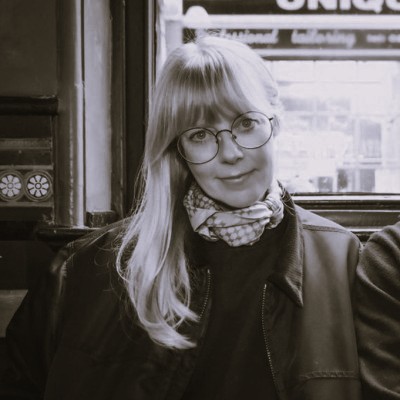
E23: Giorgio Cassella

Buying the Agency You Work For and Building a Senior Leadership Team That Owns Their Numbers

Listen on Spotify

Podcast Overview

You join as the Technical SEO.

Headphones on. Fixing penalties. Tapping your feet to your music until someone downstairs complains.

Eight years later, you own the agency.

No lump sum. No external investors. Just a payment plan, a Founder who trusts you, and that 2am realisation that everything is now on you.

That’s the journey of Giorgio Cassella, Co-Owner of Sheffield’s Evoluted.

Giorgio joined Evoluted in 2018 as a Technical SEO Manager, moved up to Head of Marketing, became joint Managing Director alongside Sam Biggins in 2022, and together they bought the agency from Founder Ash Young through a management buyout after 16 years of independent ownership.

Evoluted is a full-service eCommerce agency, a certified B Corp and the team behind CarMats.co.uk. Giorgio also founded its digital marketing events, which started in a pub at Sheffield train station and now run across Sheffield, Nottingham, Manchester and London.

This podcast episode is relevant to you if you’re a Founder weighing up how to exit, a senior leader who might one day buy the business you run, or an agency owner trying to step out of the day to day by giving your heads of department real ownership.

Giorgio walks Richard through how the buyout came together in roughly six months, why they chose an MBO over selling to a network or going employee owned, and the gap that opened up once he went from “the employee who runs the show” to the person responsible for everything. He explains how they built a senior leadership team with clear mandates, spending limits and targets, and how the Co-MD split works, with Giorgio guarding every coin “like a dragon on a pile of gold” and Sam leading people and process.

The conversation also covers why Evoluted focuses on £3m to £10m eCommerce brands, the “fun, fame, fortune” test for exceptions, and the 16 years of failed experiments behind CarMats.co.uk. Giorgio shares hard-won event lessons, admits B Corp has never won Evoluted a single client, and argues that for some clients AI is still around 1.5% of monthly revenue, so objectivity matters more than hype.

If you’re thinking about buying, selling or stepping back from an agency, this episode is a rare inside look at how a management buyout works when trust is already in place.

Listen now!

Topics Covered

00:00 – From employee to agency owner
05:50 – Transitioning leadership at Evoluted
09:32 – Transitioning from SEO manager to owner
11:42 – Choosing a Business Exit Strategy
15:15 – Strengthening management team structure
19:42 – Managing finances and revenue systems
23:31 – The journey of trial and error
25:06 – Discussing agency client selection factors
28:59 – Balancing budgets in early agency growth
31:35 – Discussing budget expectations with clients
35:04 – Creating a laid-back marketing community
38:28 – Overcoming fear of first events
40:12 – Managing event attendees
43:06 – Networking at company events
47:43 – Adapting to eCommerce changes
51:30 – Book recommendation
Richard Hill [00:00:00]:
You're moving from a, a doer of technical SEO, managing people, to an owner. What was that sort of for you, that, that first maybe 6 months?

Giorgio Cassella [00:00:08]:
This is an amalgamation of the 16 years we've been in business. I am now responsible for everything here.

Richard Hill [00:00:15]:
So it sounds like it's gone pretty well then.

Giorgio Cassella [00:00:16]:
It has, it has.

Richard Hill [00:00:18]:
You've got to have those sort of, I guess, tricky conversations early on.

Giorgio Cassella [00:00:22]:
I want to know all about the money. Where's the money going? Where are we spending it? Where's it coming in? What's happening with all What

Richard Hill [00:00:27]:
would you say to maybe agency founders that are maybe thinking of starting their own event sort of schedule? What advice would you give to them?

Giorgio Cassella [00:00:34]:
Right. We've got to define what our ICP is. We've got to just be really clear. We've got to be specific about who we want to work with and why we want to work with them.

Richard Hill [00:00:42]:
Doing your first event, you're bound to be scared to death. I was absolutely petrified. You were the same by the sound of it. Hi everyone, Richard Hill here. Welcome back to the Agency Intensive podcast. Now this week I'm joined by Giorgio Casella, co-owner and managing director of Evoluted, a full-service e-commerce agency very much like my own. Now Giorgio's journey is an interesting one. He joined the agency 8 years ago as a technical SEO manager, worked his way into the leadership team, and eventually bought the business alongside his business partner Sam.

Richard Hill [00:01:22]:
We talked about what it really takes to go from employee to agency owner, how they structured the management buyout, and the challenges that came with taking full responsibility for a very good agency. We also explore how building their own successful e-commerce brand, carmats.co.uk, has really shaped the way they work with clients, why they've invested so heavily in building communities through events, and how they're navigating AI without getting caught up in the hype. There are some great lessons here around leadership, commercial thinking, and building an agency that can grow beyond its founder. Now, if you're running an agency, considering maybe an exit, or thinking about the next stage of growth, there's plenty to take away from this conversation. Now do me one quick favor, hit the subscribe or follow button wherever you are listening so you never miss an episode. Now let's dive in. Now before we dive in, I just want to quickly thank our sponsor, Aristosauce. For sponsoring this episode.

Richard Hill [00:02:19]:
We've been using Aristo Sourcing for my team building needs, from customer service, executive assistants, admin support, to digital marketing specialists, and they're a great partner for agencies looking to scale without the recruitment hassle of the more traditional methods. We decided to partner with them after seeing firsthand how their team have helped me and my teams grow efficiently over the past 18 months with reliable, skilled professionals who actually deliver. If you're ready to build your dream team, head to aristosourcing.com and find out more. We put the link in the description so you can go straight ahead and check it out. That being said, let's dive straight into this episode. Hi, Giorgio, how you doing?

Giorgio Cassella [00:02:59]:
Good afternoon, pleasure to be here.

Richard Hill [00:03:01]:
Well, thank you so much for coming in. Now, obviously we met probably about a month ago, not long ago at all, but obviously, um, the team and the, the things you do are very similar to what we do. And so I thought, I've got to get you on. got to get you on, have a chat, find out all about what you've been doing at Evoluted. I think you've got quite an interesting story. So I think that would be a great place to start. I know you sort of started in the agency as a technical SEO manager and then fast forward 7, 8 years later, sat here as co-owner of the agency.

Giorgio Cassella [00:03:33]:
Yeah, 8 years has been both a very long time and a bit of a whirlwind. So yeah. Where to start? So I joined Evoluted in what, 2018? Um, just surpassed 8 years at the agency. And yeah, like you said, started as a technical SEO manager, um, working on client accounts, working day to day on everything from manual, you know, manual actions, penalties that people were seeing, um, diagnosing, uh, doing log analysis and all sorts of nice, fun, nerdy things that I used to enjoy and I'm now very rusty and out of practice with. Um, and then I've progressed over the years into head of marketing a couple of years after joining Evoluted, um, joining with my co-managing director Sam Biggins in 2022. And then last year, yeah, purchasing the agency off our founders and, um, facing the challenge and the whirlwind that is trying to actually run an agency, not just working

Richard Hill [00:04:23]:
long. Yeah, that's 2 very different roles, isn't it? So came in as on the technical side, so headphones on most days fixing stuff type role.

Giorgio Cassella [00:04:33]:
Known as the annoying person that would tap their feet with their music in and had to get told off quite A few times by the people downstairs.

Richard Hill [00:04:40]:
And then here we are now, and then obviously a year or so into owning the business, you know, how did that sort of come about? So obviously there's an original founder there that set up the business, and then there's yourself and Sam sort of working at the time in leadership within the business. But obviously then I'm guessing Ash had made a decision or you nudged him to make a decision. Yeah. Tell us how that sort of jerked. I think there'll be a lot of people really interested in that. A lot of founders that are, you know, from both sides, founders that are thinking, oh, you know, I maybe want to exit my agency. And there's obviously all different options, but a management buyout.

Giorgio Cassella [00:05:15]:
Yeah.

Richard Hill [00:05:15]:
It's not one that's, I think we've spoken about in this, in the podcast before.

Giorgio Cassella [00:05:18]:
Yeah. So I, I'm not going to speak for Ash or on his behalf. I can tell you my side of the story and what's happened there. But I think to start with, let's step back, uh, well, 6 years actually at the moment, back to 2020. Um, we set up carmats.co.uk within Evoluted, which I'm sure we'll come back to speaking about later. And lots of people are probably familiar with anyway. Um, but as that started to take off and became successful, you know, Ash moved on and was very much focused on that as his own project and his new baby. Um, he then literally had a new baby as well at the same time as buying a new house to renovate.

Giorgio Cassella [00:05:50]:
And there was a big combination of things that all happened in a short space of time that I think led him to saying, right, Evoluted's been running for 16 years at this point. Um, it's done really well. He's got a great legacy behind him with what he's achieved there. The business is running itself. Um, there's people like myself and Sam who are doing the day-to-day. Um, and it seemed like a good time for him to step back, focus on different things, and face a new challenge, um, with all those different things that he had going on. So I think it was a natural time for us to step up and take that, that managing director position we had of running the day-to-day of the business and step into those shoes of ownership and actually taking on the future, where Evoluted is going to go next, the vision that we'd been developing as kind of more passionate people, um, having not had kind of the, the history behind it and the other things that were taking our attention.

Richard Hill [00:06:40]:
Now I'm just going to pause this one for a second with a quick note from our sponsor, Aristo Sourcing. Now when it comes to building high-performing teams overseas for my agency, Aristo Sourcing is my go-to partner. Whether you're looking to scale your operations, reduce costs, or access world-class talent without the hassle, they've made it incredibly straightforward for us. I've personally been working with them now for over 18 months and thoroughly recommend their services firsthand. If you're ready to build your team and take your agency to the next level, head over to aristosourcing.com to find out more. Now let's get right back into this episode. So are you able to share a bit more around the sort of deal structure? Because I think that's really interesting. I'm very interested myself and obviously share what you're, what you're able to share.

Giorgio Cassella [00:07:23]:
Yeah, absolutely.

Richard Hill [00:07:24]:
So obviously Ash is, um, is, um, like I said, we can't speak for Ash, but so Ash has got other projects and so forth. And then you guys have had this conversation about you guys sort of taking over. What was the sort of timeline on that and how did that sort of work?

Giorgio Cassella [00:07:40]:
So it all happened relatively quickly, I think, in terms of looking at how a lot of these processes go. If I remember rightly, we probably started these conversations around October, November time. And by kind of April the next year, we had kind of got deal structures in place. We had all of the kind of legal work done. We had a kind of transition plan sorted out. Ready to kind of get the announcements and things prepped for when the full thing came through. Um, but you know, there's a lot of different ways to structure these things. If you're going through a management buyout, there's lots of different financing routes.

Giorgio Cassella [00:08:12]:
There's lots of different ways that it might be structured. There might be different concessions that people are making about whether, you know, the original founder needs to stick around for a little longer to make sure that transition's smooth. It's all going to depend on individual circumstances. Sure. For us, obviously, Sam and I had been there for a very long time.

Richard Hill [00:08:27]:
Yeah,

Giorgio Cassella [00:08:27]:
we'd been running the day-to-day for a couple of years at that point already, so we had a good grasp on things and where stuff was. Um, the company was doing well financially, so it was actually structured for us, and I won't give too much away because I can't. Yeah, but structured for us just as a, as a debt that was paid back over time rather than needing a big kind of, uh, lump sum up front or getting external financing. It's something that we've just agreed and worked on a payment, um, a payment plan over a period of time.

Richard Hill [00:08:52]:
Yeah. I guess when you are in that position where you've, you've obviously worked there at this point, 6+ years, Ash knows you very well, you know the business very well. Ash had spent quite a bit of time outta the business up until then with other projects and new house and family and car mats and so forth. So you'd already had this period of sort of running a business, the business, but not owning the business. So there's already like a transition happening. And then obviously you then have that discussion. I think that's quite interesting because like I said, there'll be a lot of founders thinking, you know, 16 years, I think you said Ash had had it. I know a lot of people that have got agencies, and my agency, I've owned this for 16 years.

Richard Hill [00:09:32]:
Hmm. Um, what do I do with it? Hey, you know, um, and obviously managing buyer is an option and potentially a, I would say, easiest option, but it's quite, it could be, you know who you're dealing with, don't you? Which is normally the, the, the thing, one of the big things. You know who you're buying and selling from, and they— and you've obviously worked together, as most people will have done, for many years. So you're, you're negotiating and, and dealing with people that you know and like and trust already. There's probably not a lot of skeletons there because you, you're in that business for 6 years. You know all the clients, you know the retention of who's who and where the risk maybe is and so forth. But then at the same respect, you're moving from a, a doer of technical SEO, managing people, to an owner. What was that sort of for you, that sort of that first maybe 6 months? Must have been quite a few, um, new, new, um, interesting days at work where you're like, oh, I'm not sure, I'm not sure how to do this.

Giorgio Cassella [00:10:29]:
I think the biggest, the biggest thing was that there is a wider gap than you realize during that transition. It was okay, I've been running the day-to-day for, for 2 years now, you know, I know all the team, I know our clients, this works like that, that works like that. But all of a sudden now it's, oh, hold on, this isn't something I've done before. New systems, new processes, new software, like getting all the invoicing done, actually communicating to clients that, hey, that person you've dealt with for 16 years, they are out of the picture now. Some of the clients I'd probably never spoken with in my time there as well because we didn't have reason to.

Richard Hill [00:11:01]:
Yeah.

Giorgio Cassella [00:11:02]:
And suddenly you've got this guy turning up going, hey, my business now, let's have a chat. How are you doing? Um, and there's a lot of different relationships and in some places baggage to navigate there as well. Um, so yeah, it was a very different challenge, lots of new things to take on, but I think you have that internal, um, perspective shift as well of I'm not just an employee anymore, even if I am the employee that runs the show. I am now responsible for everything here. And it's a subtle but really important perspective shift that, that gets taken on. Yeah. Um, and it's what leads to the, oh God, I'm up at 2 o'clock in the morning thinking about this still.

Richard Hill [00:11:39]:
Yeah,

Giorgio Cassella [00:11:39]:
it's, it's part of that shift that causes those things, I think.

Richard Hill [00:11:42]:
Yeah.

Giorgio Cassella [00:11:42]:
Um, stepping back slightly to something you mentioned just there as well, I think that the trust and relationship element is a really important part of why we decided to do our buyout in our, in our method. Um, there's lots of different ways obviously of exiting the business as an owner, whether that's through employee ownership, whether that's through an external acquisition, or like we did, of kind of selling it to people we and the team already. Um, I think it's very dependent on what you're looking to achieve as the founder-owner as to the kind of route that you might want to think about going down. Obviously, a lot of agencies sell to networks nowadays. They're snapping them up left, right, and center, particularly as times are getting hard and they're getting good rates for them.

Richard Hill [00:12:20]:
Yeah.

Giorgio Cassella [00:12:21]:
Um, but I think for us, there was a really important legacy that wanted to be left behind of Evoluted being independent for those 16 years, of what we'd achieved, of the reputation that we've got, of the the things that we'd done as a group, as an agency, as people. Um, and part of the reason why we decided to do things in that way again was to try and continue that legacy a little bit. I'm obviously a new vision and an adaptation with mine and Sam's ideas at the helm.

Richard Hill [00:12:44]:
Yeah.

Giorgio Cassella [00:12:44]:
Um, but I think it was a really important choice there for us to not go fully employee-owned or to sell out to a group or take another method.

Richard Hill [00:12:51]:
Yeah. So it sounds like it's gone pretty well then.

Giorgio Cassella [00:12:54]:
It has. It has. We've had a really good first year. Um, we are halfway through our second year now of running the show.

Richard Hill [00:13:02]:
Yeah.

Giorgio Cassella [00:13:02]:
Um, and we've had some brilliant changes in terms of how we've brought in a new senior leadership team.

Richard Hill [00:13:07]:
Yeah,

Giorgio Cassella [00:13:08]:
that was one of mine and Sam's big focuses. Obviously, us being in that position for Ash before, um, was something that helped get the transition to be as smooth as it was and to keep things running as he stepped into other projects. But then we very quickly realized that, hold on, we don't have us doing those jobs anymore. We're now doing that and everything that's now on us.

Richard Hill [00:13:26]:
Smart.

Giorgio Cassella [00:13:27]:
So a big focus was making sure that we had a senior leadership and a kind of senior management team structure put in place as quickly as possible. So bringing in a head of client services who is, you know, entirely focused on client experience, client satisfaction.

Richard Hill [00:13:41]:
Yeah.

Giorgio Cassella [00:13:42]:
As well as all of the kind of annoying, niggly things like, you know, making sure contracts are renewed and signed properly, making sure that all of those little processes and systems work properly. So Simon, who's our head of client services, has been a brilliant addition in there. Bringing in, um, Emma Glover, who runs Victorious in Nottingham, as a kind of fractional head of agency marketing to kind of take that off my plate a little.

Richard Hill [00:14:03]:
Yeah,

Giorgio Cassella [00:14:03]:
I used to do all of our marketing and external activity and making sure we got new business in. All of a sudden I've got to do everything else. I need someone to replace that. Yeah. So we brought that structure in as quickly as possible and trying to find the right people for that was a very lengthy process. It's those decisions that you want to make sure you get absolutely right. And I think we've got them very, very right. And some

Richard Hill [00:14:22]:
very key hires in the senior leadership management team. Absolutely. And then also, have you terms of the existing team? Have some of those guys sort of worked their way up as well in the last—

Giorgio Cassella [00:14:32]:
We've got a strong structure across the kind of different departments we have. So for context, Evoluted, we're full-service e-commerce. So we do, um, design, marketing, development. So across those different areas, we need to make sure that we've got the right management and leadership structures to run each of those different disciplines.

Richard Hill [00:14:48]:
Yeah,

Giorgio Cassella [00:14:49]:
not just having an all-rounder that's kind of in charge of it all but can't give the the kind of discipline and expertise that's needed for really getting into the nitty-gritty of some of those problems. So we've structured it that we've got a head of organic search, head of paid media, and head of engineering that are running things on the ground for those 3 departments. So making sure we had the right people in those roles, bringing some new hires in.

Richard Hill [00:15:11]:
And then do they report to you guys or is there somebody above those guys that they report to?

Giorgio Cassella [00:15:15]:
So they report in directly to us at the moment. But what we focused on is making sure that we built that into a really strong and robust kind of senior management team structure whereby there are very clear mandates, expectations, accountabilities, and responsibilities for all of the different people within RSMT, which areas they're responsible for, making sure that there's clear decision-making frameworks behind everything that they can do. So there's no more, oh, I was thinking about doing this, can I do that, can I do that? It's extra weight and baggage that Sam and I don't want to take on when these people are very capable of making those decisions. So just saying, you know what, if you want to buy that piece of software within certain limits, yeah, go and do it. own that. That is your—

Richard Hill [00:15:52]:
Which is great for them, isn't it, as well?

Giorgio Cassella [00:15:54]:
Um, but at the same time, they have revenue targets that they need to hit. They have new business targets they need to hit— utilization, team satisfaction, client satisfaction. It's giving them that ownership that Sam and I had early on of,

Richard Hill [00:16:04]:
yeah,

Giorgio Cassella [00:16:05]:
running part of the agency yourself and having full accountability for it with a support network behind you, but giving them that opportunity to really step up and show that they are great leaders.

Richard Hill [00:16:16]:
Yeah, it sounds brilliant. I mean, I, I feel like we could have done a whole podcast just on that last sentence around, uh, utilization and and that whole, that whole area. But it sounds like you've had a brilliant 18 months then from obviously-ish from in terms of timeline, um, from purchasing the business to then making quite a lot of change and also winning a lot of awards recently, which we were talking about off camera beforehand.

Giorgio Cassella [00:16:37]:
Yeah. And we're now head to head for some of those.

Richard Hill [00:16:40]:
It's interesting. Some people will be listening to this thinking, why has Richard got, got you guys on? And I think that's quite interesting. Like, obviously we, we are in a very similar space. But I never see it like that. I never see it like that ever. I think if people are, you know, good people that are doing good things, it's just good to get to know people and, you know, we might help each other in all different ways. But yeah, we've got a very similar client base, I think, haven't we? Which is quite interesting.

Giorgio Cassella [00:17:03]:
It's a part of this industry that I genuinely love. And I, before agency land, I was working in tech startups where in some places there's a real kind of camaraderie and yeah, hustle culture, let's go. But then at the other end, there's also a lot of competition and NDAs behind closed doors, proprietary technology. lots of stuff that I was happy to leave behind.

Richard Hill [00:17:23]:
Yeah,

Giorgio Cassella [00:17:23]:
but everybody I've spoken to, or almost everybody I've spoken to in the agency space, has the same attitude of there is enough work to go around. Yeah, this is a really collaborative, um, industry where people can learn from one another. Um, you know, it's a little bit incestuous in some ways of, you know, people will move between a group of different agencies and you'll monitor somebody's careers and how they go. Quite often they might come back to you at some point as well with all of these amazing experiences that they've learned from elsewhere. Um, but I love it. I think it's, it's, there's a great level of camaraderie behind it.

Richard Hill [00:17:52]:
Yeah, we're exactly the same. I mean, obviously we're, some of our guys speak at your events down there and they're speaking at an event next week, I think actually. And we spoke a couple of months ago at a different one of your events and here we are on the podcast. And yeah, I think a lot of auditors would be like, whoa, what's going on there? What's that about?

Giorgio Cassella [00:18:07]:
It helps reduce that challenge of isolation. You know, you know, running a business can be a very isolating, lonely, and challenging experience. And having people that you can come and talk to, that you can have a laugh with, that you can share the highs and the lows with. Yeah.

Richard Hill [00:18:20]:
We sat and had lunch, didn't we, about 3 weeks ago, 4 weeks ago for a couple of hours and, um, exchanged, um, maybe not war stories, but, uh, you know, ideas and things and help each other and it's good. So something I'm intrigued about, um, there's 2 of you in terms of, um, co-owners, co-MDs. I think, um, you know, that's a, that's an interesting, um, dynamic. I think a lot of agencies that I know are usually solely owned, not always, but maybe the majority. I know you and Sam have got very different sort of skills in terms of your areas of expertise, but, um, yeah, maybe step us through that, how that's worked and how that's, you know, working.

Giorgio Cassella [00:18:57]:
Yeah, it's, uh, it's an odd one that people have asked us this about before, and I will start with the easy answer why we are kind of co-MDs. And it's quite simply because we're lazy and job titles are bullshit. in this industry, you know, you could have somebody that is doing the same job and called 10 different things in different agencies. For us, it was very much, we have those different specialisms. So I very much take on the marketing side of things while Sam is an incredibly talented developer.

Richard Hill [00:19:24]:
Yeah.

Giorgio Cassella [00:19:25]:
Software engineer. So he kind of takes on that side of the business. Because of that split, it makes sense for us to both just kind of share this title, share these responsibilities, more of an external indication to people that, okay, these are the people that you're going to talk to. if you want to go to the top. Yeah, in quotes.

Richard Hill [00:19:41]:
Yeah.

Giorgio Cassella [00:19:42]:
Um, and that's worked really well because it means those responsibilities are split, the levels of expertise are split. Um, it means that we've been able to maintain that legacy that was built across doing all of these different channels internally at Evoluted. Yeah. Um, where it's naturally diverged for us since buying Evoluted is that we've started to lean into different things ourselves. So I very much quickly leaned into, I want to know all about the money. Where's the money going? Where are we spending it? Where's it coming in? What's happening with all of this? And I've been very, very much like a dragon on a pile of gold wanting to account for every single coin that's, that's going around everywhere. But it means I've naturally taken, taken control of our finances, all of our invoicing, introducing revenue recognition systems and lots of different pieces like that.

Richard Hill [00:20:29]:
Yeah.

Giorgio Cassella [00:20:30]:
Whereas Sam has naturally kind of led down the route of the kind of people and HR side, which he is far better at than I am. And I will happily put my hands up and say, I'm the grumpy old man that doesn't want to talk to people sometimes. So him taking on that responsibility is—

Richard Hill [00:20:42]:
This is why we get on so well, I think. God, they have a similar—

Giorgio Cassella [00:20:46]:
No, his mindset and the way that he looks at building systems and processes has been brilliant for us as well. Whereas, you know, he's always said that he brings that kind of the structure and the the process behind things and I bring the passion.

Richard Hill [00:21:01]:
Yeah. Yeah. No, I like it. So it's a good balance. Both sort of, um, do your thing, but then together, obviously it's, um, going very, very well.

Giorgio Cassella [00:21:10]:
You know, if we overlapped too much, we'd just be duplicating things. If we were too diverged, then we'd be constantly having to update each other. We've managed to naturally find a nice balance and blend.

Richard Hill [00:21:19]:
Yeah. No, I love it. So going back right at the beginning, and obviously I know, I know the story, but, um, obviously, um, You guys and Ash back in the day obviously started Car Mats and Ash very much went, is now off very much, um, focused on that as one of maybe several projects. But what I'm keen to understand is obviously you're an e-commerce agency and, you know, you're sort of one of your sort of, um, marketing pieces and sort of, um, historically you've got this, you've built this and started this e-com business and grew it to 7 or 8 figures plus. Sort of how important do you think that's been for the success of Evaluted over the last sort of few years?

Giorgio Cassella [00:21:58]:
Yeah, hugely, hugely important. And, you know, it's why we quite honestly bandy it around so much as something that's, um, it's been a huge achievement for us and for Ash. Um, it has been a great, uh, sales tool, getting people to get in touch with us. It's been a great motivating tool for hiring and keeping staff. Um, it's been great for getting people in the right mindset of what we want to do and achieve at Evoluted as well. Some people have come and gone, well, actually, I run my own little thing on the side.

Richard Hill [00:22:26]:
Yeah.

Giorgio Cassella [00:22:26]:
It's not going to be a car mat situation, but could we put some effort into this or, you know, have a bit of a go at, you know, helping me advance my business a little bit? So we've done that. We've supported people that have— um, one chap that used to be with us ran a toilet roll company where he'd print onto toilet roll, completely customized, but gave him some support from a digital PR perspective and ended up getting his product featured on The Voice, um, and a couple of other television shows. Got some real traction.

Richard Hill [00:22:54]:
Intrigued how toilet roll got onto The Voice.

Giorgio Cassella [00:22:56]:
I, I can't remember the exact story behind it, but yes, I, I think it was a gift to one of the other hosts that was pulled out as one of those nice little moments, a little bit of a, you know, um, skit in between people coming on and performing.

Richard Hill [00:23:10]:
Yeah.

Giorgio Cassella [00:23:10]:
Um, but yeah, supporting people like that, um, it's, it's really helped to develop that internal culture of why we're doing this and what we want people to to learn. Um, but yeah, CarMax has been a great tool, but it also was a compounding effect of something that's been happening since Evoluted first started. This wasn't just one day a decision to, hey, let's start this. Wow, it's been brilliantly successful.

Richard Hill [00:23:31]:
Yeah,

Giorgio Cassella [00:23:31]:
I don't want to give people the wrong idea that we are magicians who can pull a, a brand out of thin air and suddenly grow it to $10 million in revenue. This is an amalgamation of the 16 years we've been in business, of trying new things, trying ideas, buying random domains and seeing what would work and what didn't. We've had just as many failed ideas as we've had successful ones. Everything from kind of, you know, Secret Santa websites through to flower delivery was something that we did at one point. Things that nobody will ever hear about because they didn't work out. We tried and we failed, and that's part and parcel. But by trying and failing, you learn, you iterate, you improve upon things until you do eventually have those successes. And it's something that we are still looking to replicate.

Richard Hill [00:24:14]:
Yeah.

Giorgio Cassella [00:24:14]:
by launching more new projects. We've got 2 or 3 different ideas in the works at the moment.

Richard Hill [00:24:18]:
Well, I think I saw on LinkedIn maybe last week or 2, you guys saying you've got a new, um, maybe e-com business that you're launching, going to launch. Anything you can share? A little snippet maybe?

Giorgio Cassella [00:24:29]:
At this point, unfortunately, George, we've— I will reveal that it's more than one. There are 2 or 3 different ideas that are in the works at the moment, going through different levels of, um, discussions with manufacturers, with finding the right price points, with kind of planning ahead for what's going to happen with those. But yeah, it's not anything that we've done before.

Richard Hill [00:24:47]:
No,

Giorgio Cassella [00:24:47]:
it's not anything like any of the clients we work with. If they're listening, there's no need to be worried. Um, but really excited about just trying something. And I think, like I said in my LinkedIn post, we want to try, we want to give it our all. And if you fail, you still take an immense amount of learning away from that that you can then do again in the future.

Richard Hill [00:25:06]:
I think, you know, I appreciate you sharing that. I think the guys that are, that are listening now, you know, in terms of, you know, when you're potential— there's all sorts of wins by doing that. Obviously what you learn as a, as a leadership team, as an owner of an agency and so forth. But when a potential client is looking to decide on what agencies to maybe shortlist or to work with, obviously if they can speak to an agency that's ran a or several businesses, gone through the ups and downs, shall we say, of, of, um, having, you know, lots of— all your money maybe sitting in a warehouse or the, you know, the ups and downs of seasonality. or the different platforms, all the things that come along with running a successful e-com business, but also, um, at the times where maybe things are a little bit tricky, a bit up and down, which is inevitable in business. But if you've gone through that and your team have gone through that, you know, you can really resonate with the potential people that are looking to work with you and new business and so forth and attract that new business.

Giorgio Cassella [00:26:03]:
That's definitely a key part of all of this is as agencies, we are naturally disposed to being one part of a very big machine, whether we are just doing the SEO or just doing the PPC. building the website, we are not exposed to the wider landscape or all the different things that have to happen and come together at the same time in the right way for a business to not just exist, but to be profitable as well. Um, and understanding everything from those manufacturing challenges to distribution and fulfillment, to warehousing, to hiring staff and doing all the customer service bits and pieces.

Richard Hill [00:26:35]:
Yeah.

Giorgio Cassella [00:26:36]:
To

Richard Hill [00:26:36]:
stock.

Giorgio Cassella [00:26:37]:
Yeah, exactly. You can have so much stuff tied up, all of these different problems happening, having an innate understanding and knowledge that we can share our experiences with across all of those things has been so valuable with the clients we work with. It's not just, oh, they're telling us these things because they're Blinkered and they think it's, it's so easy.

Richard Hill [00:26:53]:
They're living it. They've lived it. Yeah. It's even more like my bit. Our businesses are so, so— because we, that was our, you know, we had e-com businesses before we had the agency. Very, very, very, very similar. It's quite frightening actually how similar they are, to be fair. Um, so obviously spent a lot of time building different e-com businesses, working with lots of different e-com brands, um, clients in all different niches, I believe.

Richard Hill [00:27:18]:
Um, but I know you very much target now sort of a certain revenue style business, £3 to £10 million, I believe.

Giorgio Cassella [00:27:25]:
Yes.

Richard Hill [00:27:25]:
Obviously there's probably a few exceptions to that. Um, you know, why that bracket? Why have you sort of focused on that area?

Giorgio Cassella [00:27:32]:
There's something that's evolved from, um, launching our own brands as well as all the brands we've worked with over the years and identifying where is the sweet spot for us where we can do great work. Brand we can warrant, or a brand has the, the marketing spend available to warrant that level of work.

Richard Hill [00:27:49]:
Yeah.

Giorgio Cassella [00:27:50]:
Um, but also where we can have the most impact and help people overcome the challenges that they face at that point, I think. And it's, it's no mean feat to get to that stage, that kind of 1, 2, 3 million point. It's a lot of work.

Richard Hill [00:28:00]:
Yeah.

Giorgio Cassella [00:28:01]:
But when you get to that point, we've seen that there are naturally a number of different plateaus and challenges and glass ceilings that brands will hit.

Richard Hill [00:28:07]:
Yeah.

Giorgio Cassella [00:28:08]:
That they'll really struggle to break through. Yeah. Um, and that's where our expertise comes in, of being able to take our existing knowledge, the different skill sets that we have, and go, okay, let's diagnose the problems here. Why are you stuck at this revenue point? What are you going to be able to do to break through that? How can we bring different systems together, whether it's marketing systems, whether it's branding, whether it's an operationally focused piece that is kind of your digital transformation stuff on the back end that's bringing your fulfillment and your warehousing and your kind of point of sale together to make sure it's nice and efficient. The reason we've chosen that is because we, we have experience and we know that we're greatly positioned to help people break through those, those plateaus and those challenges.

Richard Hill [00:28:45]:
Yeah, because you've done it. You've done it for yourself. You've done it for many, many clients.

Giorgio Cassella [00:28:49]:
Yes. It's also where the really interesting, juicy things are. Smaller than that, there's a lot of really exciting stuff that happens at the start of a business, but we can't warrant the fees that let us get—

Richard Hill [00:28:59]:
It's a tricky balance, isn't it? I think. And when you're growing an agency, and a lot of our listeners, I'm sure, you know, you sort of you maybe take a bit of business that you shouldn't have done, or in hindsight, not shouldn't have done, but it's maybe quite difficult to deliver on that budget that you were given. Um, but then obviously if the budgets are better, obviously you've got to, you're going to be able to deliver more, which ideally you want to be able to do more to then get more of a result. But then earlier on in an agency's sort of development, in earlier years, sometimes we take things You know, I'd love— you can't just start an agency and start at $3 million probably day one with no background, no case studies, no, um, but let's say if an agency, sorry, if a brand came to you and they were doing $1.5 million, brilliant founders, you really got on well and you thought, actually, we can really help these guys. Would you make it an exception?

Giorgio Cassella [00:29:48]:
There's always exceptions. Yeah. You know, this is not a hard rule. There's any agency that's kind of said, right, we've got to define what our ICP is. We've got to just be really clear. We've got to be specific about who we want to work with and why we want to work with them. There are always going to be exceptions. There are some brands locally in Sheffield that have been on our hit list, one which we've started working on recently that doesn't match that at all, but they're brilliant guys.

Giorgio Cassella [00:30:10]:
They're doing some really cool stuff. We've wanted to work with them and we made exceptions to make sure we could do that.

Richard Hill [00:30:15]:
Yeah.

Giorgio Cassella [00:30:16]:
And it falls down to, I can't remember where it all stems from, but it's been bandied around by a number of different people, the kind of fun, fame, fortune situation, and whether it's one or two of those things that you want to take. Make a decision about if you're taking somebody on because this is going to make you lots of money.

Richard Hill [00:30:30]:
Yeah.

Giorgio Cassella [00:30:30]:
You're going to really flip and enjoy working with them.

Richard Hill [00:30:33]:
Yeah.

Giorgio Cassella [00:30:33]:
Or because it's going to get a lot of people paying attention to you.

Richard Hill [00:30:36]:
Although they might, let's say, introduce you to people. So we've had scenarios where maybe their e-com is, you know, a few hundred grand, say, not so much recently, but they've got 50 shops. Well, each one of those shops is probably a million pound investment. So therefore, whatever They probably turn to ish. They're gonna be very, very serious about it and invest. So they might be starting out on, be early on in their sort of e-com investment, but the reality is they're serious people, serious business people. Then again, there's, there's sort of an exception. Um, but yeah, it happens, doesn't it? I think somebody we work with says it's a bit like a dart, you know, it's a dartboard.

Richard Hill [00:31:12]:
You're trying to get the bullseye, but sometimes you might not get the bullseye. It's a good game. You might, you might go off the 5th bullseye, 25, you might get a, You know, you might go up to a double top every now and then, but obviously ideally you'd love to get the bullseye. But if something comes along, um, that you can help them, they can make you famous, or they're going to be really nice people to work with and not too, um, demanding, shall we say, um, then you make the odd exception.

Giorgio Cassella [00:31:35]:
Yeah.

Richard Hill [00:31:35]:
Yeah. Because it is tricky with those, with the budgets, isn't it? If, um, you know, somebody comes to you and they then want, you know, they want this, they want this, they want this, they want this, but let's say they're only doing a couple of million quid and their budget is here. then it's quite tricky to obviously deliver. So then you've got to obviously go, well, actually we can work on this and this, but we'd have to do this and this maybe in 6, 12 months, put a roadmap together and so forth and a plan. But it's, um, sometimes you've got to have those sort of, I guess, tricky conversations early on with prospects to understand, you know, budgets and aspirations and are they completely not aligned or are they okay, we're close, you know, in a year we could do this and this and yeah.

Giorgio Cassella [00:32:15]:
Absolutely. I think that's also one of the reasons we picked that threshold we work with, because they're probably a little bit more aware of their circumstances there as well. Yeah. Um, I think one thing that our clients have openly said they really value about us is that candor to turn around and tell them, A, this isn't going to work if it's not going to.

Richard Hill [00:32:33]:
Yeah.

Giorgio Cassella [00:32:33]:
Or B, just turn around and go, why the heck are you doing it that way? There is a far better way you could be doing this. Like, why are you doing it this way?

Richard Hill [00:32:39]:
Yeah.

Giorgio Cassella [00:32:40]:
Um, and having the confidence, I think, as an agency owner anybody that's working from a client-facing perspective to have those conversations in the right way where they're not aggressive, they're not accusatory, but they're very much, I'm here to try and make sure you get the best outcome possible. Have that candor, have that integrity, have that honesty to turn around and challenge, because that's where you get to the real root cause of things. That's where you get to the underlying issues that let you then make step changes rather than just kind of small little incremental growth over time.

Richard Hill [00:33:10]:
Yeah, having that conversation at the front end. I think I see it quite a lot of people that come into like agency sales and they probably really struggle with it because they're not having maybe a more of a commercial, maybe tricky conversation in some respects. Um, and then they're just saying yes to, yeah, we can do that. Yeah, we can do that. Hang on, you don't even do that thing. How are you gonna, you know, just—

Giorgio Cassella [00:33:35]:
We absolutely must have social media for our brand, even though they've got No following, nobody's interested.

Richard Hill [00:33:40]:
They haven't got the resources. Yeah, yeah, yeah.

Giorgio Cassella [00:33:43]:
Nobody wants to appear on any videos.

Richard Hill [00:33:44]:
Oh, we get that.

Giorgio Cassella [00:33:45]:
And the founder is like, nope, nope, I'm not going to do anything.

Richard Hill [00:33:47]:
Yeah. So new business. Um, well, new business and events, I think, seems to go hand in hand with a lot of agencies. And I know you guys run some incredible events, you know, and you were very kind to invite some of our team to speak at the last couple. Um, I think, um, you know, we do talk about this a lot on the podcast. Um, how— what would you say to maybe agency founders that are maybe thinking of starting their own event sort of schedule? What advice would you give to them?

Giorgio Cassella [00:34:18]:
Number one, why are you running the event? What's it for? Not just for who is it for externally, but why am you doing it?

Richard Hill [00:34:25]:
Yeah,

Giorgio Cassella [00:34:26]:
why do you care? Why are you going to have the passion to actually keep running this event? Are you going to do one? Are you going to do 100? Um, and that's a really important distinction I think you have to make early on. And It also helps you answer the question of what type of event it should be. And to put that into some context, the events we run, um, the DM Group events, we started in Sheffield 8 years ago, coinciding basically with when I joined Evoluted. Um, but we now run them in Nottingham.

Richard Hill [00:34:52]:
So did you launch them then? It was your— I did, yes. Yeah, I thought that's what you were leading to. I was just checking.

Giorgio Cassella [00:34:56]:
But no, we've now got them Nottingham, Manchester, London. Yeah. And we've got, um, one starting in the West Midlands next year as well.

Richard Hill [00:35:03]:
Yeah.

Giorgio Cassella [00:35:04]:
And we started those not because we wanted events that were going to bring us loads of new leads in and make us shitloads of money and we could all sail away on our yachts in a few years' time. We started it because we genuinely wanted to build a really strong digital marketing community, people that love what they do like we do, that want to get together, be able to talk to one another, learn from one another, have a pint, have a slice of pizza, but not have the overwhelmingly negative elements of typical networking events, a salesperson that approaches you, wants to get as many business cards out as they can, you know, being really stuffy in a suit in some kind of corporate campus somewhere. So, you know, we said, right, we want this to be super laid back. Let's pick— we picked a pub at Sheffield train station to launch it in, in their little back room.

Richard Hill [00:35:48]:
That's a good, good venue, isn't it? Because obviously people get off the train and they're straight there. They haven't got to wander around town, maybe in an evening or whatever.

Giorgio Cassella [00:35:55]:
Yeah. But deciding what you're doing and who for, I think, is, is always the first consideration. Without that, you're kind of just going blind.

Richard Hill [00:36:03]:
Yeah. So you're 8 years in now, done, I guess, literally dozens and dozens and dozens of these different events.

Giorgio Cassella [00:36:09]:
Yeah. Yeah.

Richard Hill [00:36:10]:
Any sort of, um, couple of tips you would also give? Obviously get, you know, why are you doing it? Absolutely. But then 8 years in, you've done probably 100 of these things now, I'm guessing. Um, it's something we really try and sort of advise people, agency owners to do, is sort of try and run. And it can be, you know, a room like this, half a dozen people as a start point. Um, what's maybe 2 or 3 learnings you've had from the events that you've run?

Giorgio Cassella [00:36:38]:
Venue, number one. Depending on what you're doing, make sure the venue does exactly what you need it to.

Richard Hill [00:36:44]:
Yeah,

Giorgio Cassella [00:36:44]:
biggest challenge we've found is finding somewhere that has good AV equipment and support. Yeah, and nothing will kill your event like 40 people turning up really excited, sitting in chairs And then they can't hear you because it's really, really quiet at the back.

Richard Hill [00:36:58]:
There's no screen and there's no—

Giorgio Cassella [00:37:01]:
Yeah. Yeah. Um, so that number one, that's, that's a killer of any event. If you don't get the audiovisual right, it's not going to be good. Um, the second thing is pick who and vet who you're going to have there really, really clearly.

Richard Hill [00:37:14]:
Speaker-wise.

Giorgio Cassella [00:37:14]:
If you're having speakers, yes, speakers and attendees. If you're having speakers, make sure that you're really clear on what their motivations to speak are. And it's not that any of those motivations are wrong, but understand what they are. so that you can help guide their content to fit the style of your event. We've had people that are speaking at our DM events because they really want to sell what they've got to offer. But how do we make sure that that focuses on giving value to our attendees in the right way and we can make sure that everybody's happy?

Richard Hill [00:37:39]:
Yeah.

Giorgio Cassella [00:37:40]:
Similarly, on the attendee side, making sure that you're vetting who's attending. If it's a client-only event, brilliant. You should probably already know those people. If it's a brand-side event that you're trying to bring new people in for, make sure the right people are turning up, that they've not sent the junior from XYZ department who's just going to have a great day out and learn something. But yeah, bringing no value to you and the reason you're running that event. But similarly, you're going to have people that come to these events because they just like a free day out.

Richard Hill [00:38:03]:
Yep.

Giorgio Cassella [00:38:03]:
Or because they like to cause a little bit of trouble, which we've had sometimes.

Richard Hill [00:38:06]:
Have you

Giorgio Cassella [00:38:07]:
had a few characters over the years?

Richard Hill [00:38:08]:
Have you had to ever exit anybody from an event then?

Giorgio Cassella [00:38:10]:
Yeah, I had to get a few people out, had to step in during Q&As and go, I'm just going to stop that.

Richard Hill [00:38:15]:
Oh, have you? Where it's got a little bit—

Giorgio Cassella [00:38:16]:
Yeah. So I guess that's the third tip actually. If you need someone as a host that's confident enough to do those things, And it took me a long time to work up to that. For the first 3 years of our events, I didn't host them. Yeah, I'm too scared to do that.

Richard Hill [00:38:28]:
That's interesting you share that because I think that's, that's everybody, you know, me, everybody. And I think the people that are listening now, you know, it's the thought of maybe doing your first event, you're bound to be scared to death. I was absolutely petrified. You were the same by the sound of it. And then you do, and then get somebody else to do it, and that's absolutely fine. But you do that first one And then you just get a little bit better, that little bit better, that little bit better. And no one's— the things that are maybe going through your head about how terrible you are, sort of thing, obviously the people that are listening are like, but you know, Giorgio was great, wasn't he? He knows his stuff. And you think you don't, maybe, or— Yeah.

Richard Hill [00:39:03]:
So it's just, I remember, keep nudging it along.

Giorgio Cassella [00:39:05]:
The big conference that we ran a few years ago, we had, I think, 400 people turn up.

Richard Hill [00:39:09]:
Wow.

Giorgio Cassella [00:39:09]:
I got on stage and the first thing I said was, God, you lot are effing terrifying.

Richard Hill [00:39:14]:
That's a lot of people.

Giorgio Cassella [00:39:16]:
Right, just getting straight in there. And I think it's kind of evolved over time into a very self-deprecating style of hosting things where it's not as, it's not as scary if I'm ripping into myself. Yeah, nothing you can say is going to be worse than what I'm saying about myself.

Richard Hill [00:39:31]:
Well, good on you, eh? So that first, first event, absolutely cacking it basically, and then 400 people, and then now. So you've run those, what, every other month-ish?

Giorgio Cassella [00:39:40]:
Yeah, so they're roughly every 2 months, yeah, across each of the different cities that we we operate in. And then we started running conferences, which this is your nice free bit. We're going to bring the conference back next year. So yeah, now that we've got kind of the network running across the country in a few different places.

Richard Hill [00:39:56]:
Yeah.

Giorgio Cassella [00:39:56]:
Yeah. We want to bring all of those different people, all those different groups together centrally for something in Sheffield because Sheffield's a pretty awesome city.

Richard Hill [00:40:03]:
Yeah.

Giorgio Cassella [00:40:03]:
Yeah. Once a year to kind of have a multitrack all-day, you know, festival of marketing.

Richard Hill [00:40:10]:
Wow. You heard it here first, maybe then.

Giorgio Cassella [00:40:12]:
Yeah.

Richard Hill [00:40:12]:
Oh, that's ex— that is very exciting, isn't it? Very exciting. So you've seen it quite a lot with events then. You've obviously started, you know, with that initial idea and then grew that into, you know, 4 or 5 locations around the UK now to launch very soon a festival. You've kicked people out of events and banned people. And it's interesting because when you, you, you maybe launch a, uh, you know, an event that it clearly says it's for these type of people. And then maybe, you know, it's for e-com brands and then a load of other agencies maybe, for example, then sign up to, well, it does say, and then they maybe sign up from an e-com email and you think, well, hang on a minute, that's not really where you work. You work for the agency. Yes, we know your tricks.

Richard Hill [00:40:59]:
Please don't do it again. Yeah, sounds like we've had a similar journey on that one.

Giorgio Cassella [00:41:04]:
But take it as a, take it as a win that they're—

Richard Hill [00:41:07]:
Yeah, they're pretty keen to come.

Giorgio Cassella [00:41:09]:
And yeah, they want to know what you're doing.

Richard Hill [00:41:10]:
Yeah, yeah.

Giorgio Cassella [00:41:11]:
Get the inside secrets.

Richard Hill [00:41:12]:
I guess with events now, I think last sort of bit on events, but you know, massive, massive, um, believer in events. And we're sat here now and we're running one tomorrow night. We were talking about, we've got one on tomorrow night. I think there's obviously a lot of events now, a lot of agencies doing events, which is great. You know, there's a lot of, a lot of, a lot of really cool events out there. Agencies running some big events, you know, all up and down the country. And, you know, from 10 to hundreds of people. But to sort of make a bit of a flag, put a flag in the ground now and to start events, probably a little bit, a little bit harder than it was a couple of years ago because there's so many.

Richard Hill [00:41:47]:
So obviously trying to stand out and get people to events. Have you got any sort of tips on getting people to events? Because there's quite a lot of events now. Every week there's probably, you know, even in e-com, 2 or 3 events in e-com every week in the season, especially like now. Any sort of tips on getting brands or getting, you know, your target audience to events?

Giorgio Cassella [00:42:06]:
I'm going to cheat a little and it stems off what I said before about why are you doing the event and who are you doing it for? But why are you giving them a reason to come? If there are so many different events, if you're just going to do the same thing that everybody else is running, then what do you add to somebody's life and experience by running that event?

Richard Hill [00:42:22]:
Yeah.

Giorgio Cassella [00:42:22]:
Let's be honest, because we suffer from this all the time. You get invited to so many different things. And you think, oh God, but I've been at work all day and I want to put my feet up. I've got to take the dog for a walk. I've got to go to the supermarket. I've got a dozen different things that I could be doing with my time. Like, why am I going to come to your event? Um, and give them a solid reason to do it. And I think you do it really well with some of the ones that you've run.

Giorgio Cassella [00:42:41]:
You've got your paddle event coming up. And I find it fascinating, the evolution at the moment of so many more events coming up that are not around business and interest. It's not about e-commerce. It's not about marketing. But it's about shared interests and bringing people together from within those nice adjacent spaces that may become business relationships, but it's more focused on the interests and the passion. And it gives somebody that reason to care and to turn up.

Richard Hill [00:43:06]:
Yeah, that's a good answer. Yeah, that is the thing, isn't it? Just getting sort of like-minded people in a room, whether they're clients or not, is sort of irrelevant, but obviously that's great, but end of the day, these things turn into, like, can turn into this really good relationships, you know. And the amount of, amount of stories I'm sure we could both tell of— I know people that have gone to some of our events and made their— met their best friends for life sort of thing. And I know people that even— I've got somebody very senior in our team that is on holiday right now as their part— with their partner who they met at one of our events. Amazing. And of course we've had clients go to events and been recommended to people that have to become clients, but ultimately just run a really cool event, add value and so forth. Um, but yeah, Paddle seems to be the new, uh, one of the new, um, the new— I

Giorgio Cassella [00:44:01]:
had my own small shot at this a few years ago trying to run an event for, um, agencies wanting to do charity, um, fundraising through video gaming. Uh, that was great. I've met so many great agency owners and people in senior roles and agencies through doing that. Um, it's something I should probably try again at some point. Um, but it's, it's, it's the same thing. It's the same concept of that interest-based, of getting people together because they love doing this stuff. And if I can do it and meet somebody—

Richard Hill [00:44:26]:
Yeah, good. Right, well, slight change of direction. Last couple of questions, Giorgio. So B Corp, has it won your clients?

Giorgio Cassella [00:44:34]:
No,

Richard Hill [00:44:34]:
no, no.

Giorgio Cassella [00:44:35]:
And I'll be—

Richard Hill [00:44:36]:
I'm glad you said that.

Giorgio Cassella [00:44:37]:
I'll be straight up about that. Um,

Richard Hill [00:44:39]:
this one There's—

Giorgio Cassella [00:44:43]:
a few years ago, there's a huge flurry of agencies, including us, that became B Corps. Um, and a lot of people were very cynical at the time and saying, oh, it's just jumping on the bandwagon to try and sell yourself differently, position yourself differently, get all the woke crowd to come in and, um, you know, spend money with you. There were a lot of, you know, very cynical people at that time. Um, we didn't approach it with any interest of gaining business through being A lot of the stuff that we, that B Corp represents is stuff that we did anyway. We've always done a lot of charity work. We've always been very clear on taking care of our people first and foremost.

Richard Hill [00:45:19]:
Yeah.

Giorgio Cassella [00:45:19]:
We've always been very conscious of the environment and we've got a nice little badge on our ecology profile of being kind of one of the first X number of people using it, something like that. B Corp was purely an external representation of all those things we cared about anyway. And as you were already doing validation.

Richard Hill [00:45:35]:
Yeah.

Giorgio Cassella [00:45:35]:
But also a way for us to learn what else we could be doing. And that was the most valuable part of going through the whole assessment process.

Richard Hill [00:45:41]:
I

Giorgio Cassella [00:45:41]:
think we came up with somewhere between 12 and 20 new things that we've introduced over the last 3 years based on going through the assessment process, looking at where we can be improving our values and our processes and our structures, bringing new policies in, bringing new systems in. And that's been the real benefit for us. It's never been about the, the clients and the money doing those things.

Richard Hill [00:46:00]:
Yeah.

Giorgio Cassella [00:46:01]:
Is it good? Yes, we work with a number of clients that are also B Corp. Did they pick us because of that? Absolutely not. And they've been very clear about that when we've asked them.

Richard Hill [00:46:08]:
Yeah. So you're already doing certain initiatives and running the business in a certain way. And then maybe it's like, oh, this is B Corp thing. Oh, we're doing this, we're doing this. Oh, okay, then maybe we should become one of these because we can become a B Corp. However, we're running the business in a certain way. So this really aligns with the way we run the business. But then you're getting ideas.

Richard Hill [00:46:28]:
Oh, I haven't really thought about this and this. And then you run it better. Um, make it a slightly better place to work maybe because you're doing a few different things that more people are interested in. Um, so you planted a lot of trees then, have you?

Giorgio Cassella [00:46:40]:
Yes. Yeah, a lot of trees. But, um, you know, we've also introduced, you know, uh, one of those items that we improved was our kind of, um, parental leave policies. So we had some decent policies in place already, but we used that opportunity to look around at what other people were doing. Yeah, not just in the agency space, but kind of other businesses that were our kind of size in terms of headcount and turnover.

Richard Hill [00:47:01]:
Yeah.

Giorgio Cassella [00:47:01]:
Um, and we, we lagged behind a little bit, so we made a difference. We improved that and put new policies in place so that for both paternity, maternity, and shared parental leave, there were far better enhanced packages available that properly supported people. And a good number of staff over the years since we've done that have benefited from those and genuinely benefited from those as well.

Richard Hill [00:47:21]:
Well, that's, that's very good, very good to hear. So last couple of questions. Um, I feel like we could have a, we could have an extended, um, episode.

Giorgio Cassella [00:47:30]:
We'll do part 2 at some

Richard Hill [00:47:30]:
point. Part 2 in a year. We'll see how you, how you're getting on in 12 months. And, um, so AI, I think, um, I don't think we've done an episode for about 2 years without mentioning it, so we'll mention it briefly.

Giorgio Cassella [00:47:42]:
We almost got away with

Richard Hill [00:47:43]:
it. I know, I was, I was, shall I, shall I, shall I skip? Shall I? No, let's go. So obviously, you know, you're an e-com, SEO, PPC, you know, but obviously you're doing a lot of stuff in e-com. And obviously e-com discoverability in the different LLMs and AI overviews and so forth has gone, you know, depending on whose stat you want to look at, you know, at least 10, 15 times what it was 6 months ago and so forth. You know, what are some of the things that you guys are doing to maybe, I think from an agency perspective, to sort of mitigate what's happening out there to make sure you are doing well? With the changes in sort of the way that people are discovering brands?

Giorgio Cassella [00:48:26]:
The most important thing is being objective. Um, and what I mean by that is you said there that AI's grown, what, 13, 14, 15 times in a year in terms of the purchases that are coming through. Objectively, it's still a drop in the bucket.

Richard Hill [00:48:40]:
Yeah.

Giorgio Cassella [00:48:41]:
And that's a really important thing. And it's part of that candor and that honesty to the clients that we work with of, yes, this is a thing. Yes, some people are seeing some brilliant results from it. What are you seeing? What is your industry's opportunity and your direct opportunity? We have some clients that have, you know, been seeing some good growth in it. And every month it's increasing, it's increasing, it's increasing. It's still only about 1.5% of their monthly revenue. Amongst all the other things we're doing, there are far more important things for them to put in their time and their money into.

Richard Hill [00:49:09]:
Yeah.

Giorgio Cassella [00:49:09]:
Does that mean we ignore AI? Absolutely not. But we carefully monitor it and we look at where the opportunity opportunities are. There are other clients where it's a much higher percentage and they're actually seeing, you know, a real opportunity to grow the business through these platforms. So being objective is the important thing. Um, it's also being— what's the word I'm looking for? It's, it's being honest with them about what the downsides are too.

Richard Hill [00:49:34]:
Yeah.

Giorgio Cassella [00:49:34]:
Um, and the risks that they can be taking with things. It's another platform that is going to be just taking everything you're putting out there and using it for its own purposes. We have no control over.

Richard Hill [00:49:43]:
From a security aspect.

Giorgio Cassella [00:49:45]:
Yeah. Well, security and just from a, from an intellectual property aspect, you know, we're talking about something that rightly so is being scrutinized and challenged for taking the net worth of all of human history and acting as if it owns the rights to use every single piece of that.

Richard Hill [00:49:59]:
Yeah.

Giorgio Cassella [00:50:00]:
If we're going to be contributing new things to that on behalf of our clients, or our clients are going to be contributing new things to that, we need to be aware of the risks of how that information gets used and how it gets positioned. Particularly in sensitive areas, information that you write could be utilized, warped, and misconstrued in a way that is harmful to someone, but is attributed and cited as being something that you created, even if it's been changed for its final output.

Richard Hill [00:50:22]:
Yeah.

Giorgio Cassella [00:50:23]:
So we've got to be careful with that. And then obviously you mentioned the security issue as well. And I'm amazed still at how quick people are to chuck all of their details, their clients' details, financial information, all sorts of sensitive stuff just straight into a model online and go, yeah, I need this to happen quick. So I have all this detail that's there, that's done. You can't say, no, please don't take this.

Richard Hill [00:50:44]:
Yeah.

Giorgio Cassella [00:50:45]:
That's out there. So I think we are being, we are scrutinizing it quite carefully and how it's used. We are trying to innovate ourselves with what we can do with it and how we can insert dummy data in the right places to get around those security issues. And being objective about the whole thing because it could be a brilliant thing for the future of marketing. It could be an absolute diabolical terror. At the moment, I think people are in both of those camps and who's to see what's going to come.

Richard Hill [00:51:12]:
Well, that's probably the next episode we do within 12 months' time. Yeah. See how—

Giorgio Cassella [00:51:16]:
see the bunkers, Skynet drops the bombs above.

Richard Hill [00:51:19]:
We'll get the real Giorgio, not the AI version in there. Well, thanks for coming on the show. Um, it's been a pleasure. I like to finish every episode with a book recommendation. Do you have a book to recommend to our listeners?

Giorgio Cassella [00:51:30]:
This was a really tough one. Yeah. I, I really struggled to think of a book that's been quite formative and that I would highly recommend for And if you don't mind, I'm going to steal 2 because one comes from a business perspective and one comes from a marketing perspective. From the business perspective, I will always default to The Hard Thing About Hard Things, Ben Horowitz, because there is just some great knowledge and gold in there in small nuggets that you can just pop there in the back of your mind and will always be there of just how to make those difficult decisions about things, how to look at things objectively, and that actually it's all about the fucking money. Um, the second book that I'd recommend from the marketing perspective is, uh, Traction. Not the version by Gino Wickman with the Entrepreneur Operating System, um, but the version by Gabriel Weinberg, who is one of the people behind DuckDuckGo. Um, and I think it's a great book on, um, how early-stage businesses, um, can look at marketing from an objective standpoint and where the right places to put their investments are. Um, the Bullseye Method in there is something that I think that everybody should read and memorize.

Giorgio Cassella [00:52:36]:
And every time they think about doing some cool new thing, should get those notes back out and go, does this fit with that method? Or am I being a little bit silly here? Um, so it's definitely a really good book to read. It's applicable to new businesses, people starting up, but just as valuable to anybody in our position that can get easily distracted by the shiny new object.

Richard Hill [00:52:55]:
That's, uh, that's the worst one, isn't it? Well, thank you for that. I will. I haven't got that Second Traction actually, so I will Have a look at that. Thanks for coming on the show. So for those that want to find out more about yourself, more about Evoluta, what's the best way to do that?

Giorgio Cassella [00:53:07]:
Uh, well, pop over to evoluta.net if you want to find out about the agency, the work we do, and the things that we're up to in terms of events. Um, but if you want to keep up with me, I'm most active on LinkedIn. So you can, uh, yeah, hopefully be linked in the podcast here because nobody seems to be able to spell my name properly. Find me on LinkedIn, reach out, say hi, and Yeah, we can have a chat about events, about marketing, about opinions on AI or anything else.

Richard Hill [00:53:31]:
Brilliant. Well, we'll link all that up in the show notes. Thanks for coming on the show.

Giorgio Cassella [00:53:34]:
Awesome. Thank you for having me. It's been great.

Richard Hill [00:53:38]:
If you enjoyed this episode, hit the subscribe or follow button wherever you are listening to this podcast. You're always the first to know when a new episode is released. Have a fantastic day and I'll see you on the next one.

Work with Richard Hill Work with Richard Hill